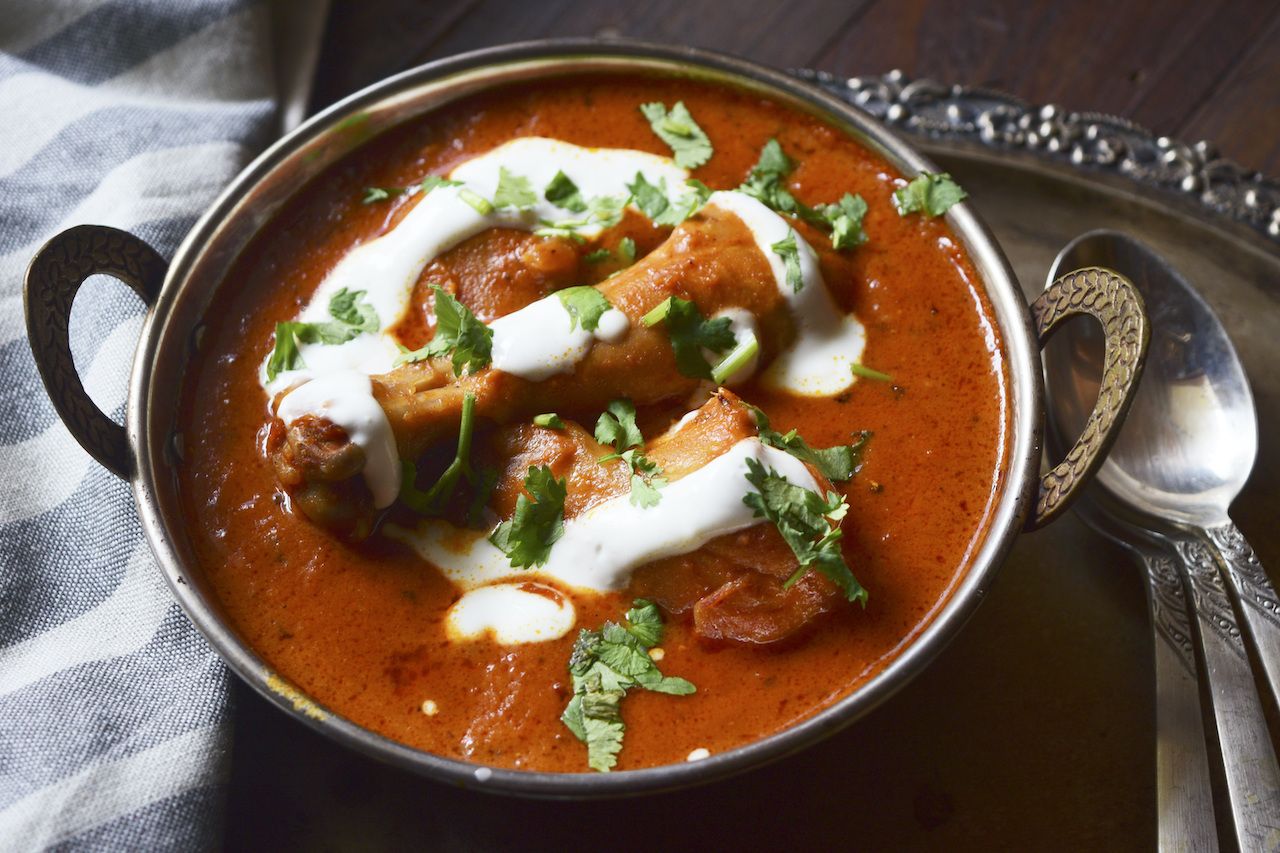
In the colorful tapestry of Indian cuisine, two dishes stand out as culinary icons: Butter Chicken and Chicken Tikka Masala. These succulent preparations are not just meals; they are narratives of culture, tradition, and taste, woven together with spices and love. While often mistaken for one another, they each hold a unique identity that captivates the palate and invites exploration.
The Origin Story
To understand the difference between Butter Chicken and Chicken Tikka Masala, one must delve into their origins, akin to peeling the layers of an onion. Butter Chicken, or ‘Murgh Makhani,’ hails from the kitchens of Delhi, where it was born in the 1950s. The dish was the serendipitous result of leftover chicken, marinated in yogurt and spices, which was simmered in a luscious, buttery gravy. It is a dish steeped in the ethos of Indian hospitality, designed to bring warmth and comfort.
Conversely, Chicken Tikka Masala finds its roots in the rich, vibrant cuisine of Punjab. It encapsulates the spirit of Indian masalas, where marinated chicken pieces are chargrilled to perfection and then enveloped in a spiced tomato gravy. While it gained prominence in Britain, often celebrated as the ‘British national dish,’ its authenticity is deeply embedded in Indian tradition, reflecting the adaptive and evolving nature of culinary arts.
The Ingredients
At first glance, the componentry of these two dishes appears quite similar, yet, like two sides of a coin, they tell distinctly different tales. Butter Chicken boasts a silken and creamy concoction, heavily relying on butter and cream fused with tomato puree. The use of fenugreek leaves adds an aromatic complexity—like a gentle breeze rustling through a field of herbs. Additionally, the marinated chicken is cooked to tenderness, bathing in the sauce, resulting in a harmonious blend of flavors that caress the tongue.
In stark contrast, Chicken Tikka Masala employs a robust tomato-based sauce that is often seasoned with an ensemble of spices such as cumin, coriander, and garam masala. Here, the chicken is first grilled, imparting a smoky depth that adds a layer of complexity. This dish is not just a symphony of sauce but a canvas for the bold flavors of the spices, creating an exhilarating experience with every bite.
The Flavor Profile
Butter Chicken is often likened to a warm hug—comforting, rich, and indulgent. The sweetness of the cream melds beautifully with the tang of the tomatoes, rendering the dish a gentle caress for the taste buds, evoking nostalgia with every morsel. The slight bitterness from the fenugreek is the secret spice whispering of layers yet to be uncovered.
Conversely, Chicken Tikka Masala dances with exuberance; it is vibrant and fiery, resonating with the lively spirit of Indian celebrations. Each bite bursts forth with the intensity of the spices, weaving an intricate pattern of flavor that lingers long after the meal is over. The grilled chicken interplays with the sauce, creating a bold culinary experience, revitalizing the senses much like a festive parade in full swing.
The Texture
The textural contrast between these dishes is akin to the difference between a gentle stream and a roaring river. Butter Chicken’s gravy is velvety smooth, luxurious in its richness, enveloping the chicken in an embrace that evokes pure comfort. It beckons for a piece of naan, inviting diners to scoop up the delectable sauce, creating an intimate dining experience.
In contrast, Chicken Tikka Masala presents a piquant juxtaposition. The marinated chicken boasts a charred exterior, adding a textural crunch that complements the smoothness of the sauce. The interplay between tender meat and spicy, thick gravy creates an exhilarating mouthfeel, akin to the thrill of a rollercoaster ride—exhilarating and engaging.
Serving Suggestions
On the other hand, Chicken Tikka Masala is vibrant and celebratory. It’s often served at festive banquets, where it shares the spotlight with an array of other dishes. It complements biryani or spiced rice and is accompanied by cucumber raita, providing a cooling contrast to the dish’s zesty personality, much like fireworks illuminating the sky during a festivity.
The Ultimate Showdown
In contemplating the differences between these delightful dishes, one is reminded that both offer something unique: Butter Chicken brings warmth and comfort, while Chicken Tikka Masala ignites vibrant flavors that dance on the palate. Ultimately, these dishes, much like the cultures from which they originate, embody the essence of diversity in culinary artistry, inviting us to explore and appreciate the complexities of flavor and tradition that they deftly encapsulate.








Leave a Comment