Whiskey lovers around the globe are bound by a shared passion for this cherished spirit, yet few are aware of the intricate differences that set Scotch whisky apart from bourbon. Both of these iconic libations boast rich histories and distinct flavor profiles, but they emerge from disparate traditions and regions. As you embark on this exploration, prepare for a shift in perspective that will deepen your appreciation for the subtleties of these revered spirits.
1. Geographic Origins: The Heart of the Spirit
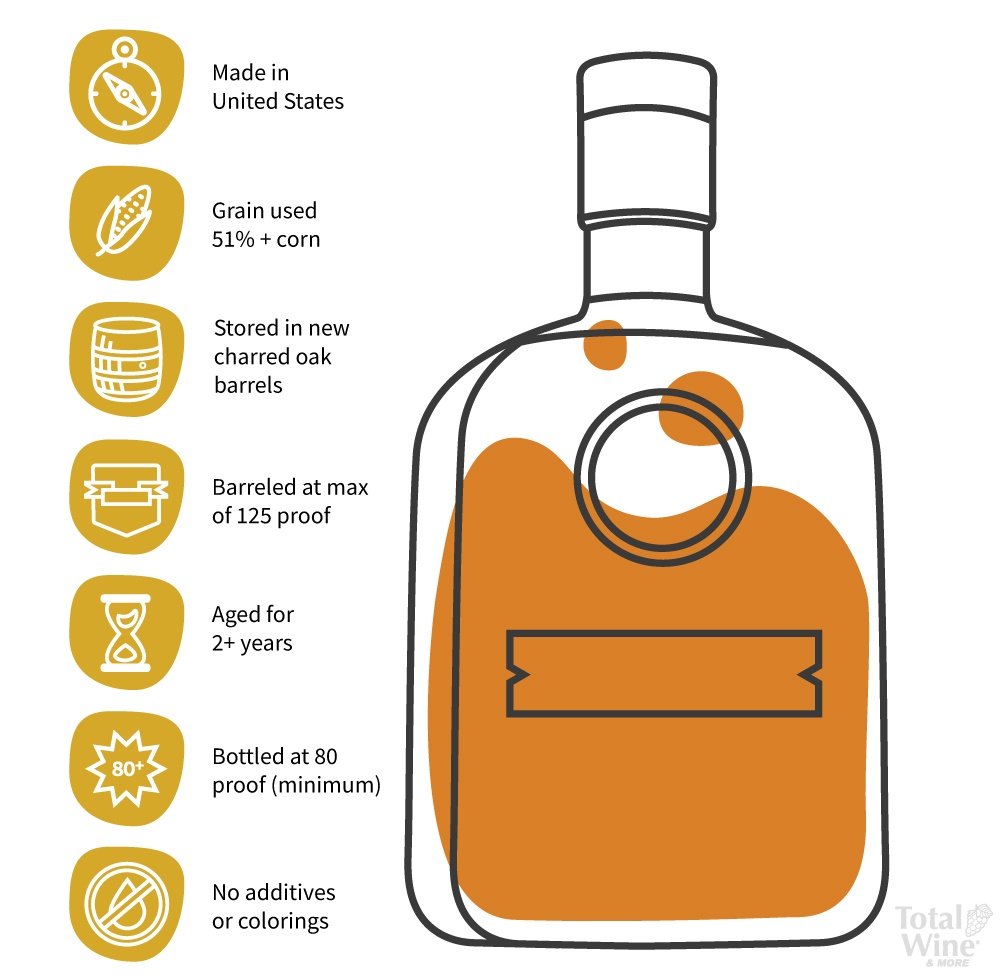
The most striking difference lies in geography. Scotch whisky hails exclusively from Scotland, where it has been meticulously crafted for over five centuries. In contrast, bourbon is a distinctly American creation, primarily associated with the Bluegrass State of Kentucky, although it can be produced anywhere in the United States. This geographical delineation imparts each spirit with a unique character influenced by local climate, soil, and cultural traditions.
2. Ingredients: The Foundation of Flavor
At its core, the composition of Scotch and bourbon dramatically shapes their identities. Scotch is primarily crafted from malted barley, though a variety of grains may be employed in the production of blended whiskies. This barley is often dried over peat fires, infusing the whisky with a smoky essence that is emblematic of many Scotch varieties. Conversely, bourbon is uniquely defined by its mash bill—containing at least 51% corn—alongside other grains such as rye, wheat, and barley. The high corn content contributes to bourbon’s characteristic sweetness and smoothness.
3. Distillation Processes: A Journey of Transformation
The alchemy of distillation further differentiates these two spirits. Scotch whisky is typically distilled twice in pot stills, although some modern distilleries employ continuous column stills for efficiency. This process is often slower and more artisanal, allowing for the development of complex flavors. Conversely, bourbon is generally distilled using continuous column stills, which facilitates a more rapid production process. This distinction underscores the artisanal craftsmanship associated with Scotch versus the industrial efficiency typically found in bourbon distillation.
4. Aging Requirements: Maturation Matters
Both Scotch and bourbon require aging, yet the prerequisites diverge significantly. By law, Scotch whisky must mature for a minimum of three years in oak barrels, often those previously used for sherry or bourbon. This requisite emphasis on time allows Scotch to develop its intricate flavor notes and nuances. On the other hand, bourbon must be aged in new charred oak barrels, though there is no mandated minimum aging period—unless it is labeled as “straight” bourbon, which requires a minimum of two years. The fresh oak creates a daring interplay between the wood and spirit, lending whiskey its vibrant flavor profile.
5. Flavor Profiles: A Dance of Tastes
As aficionados take their first sip, the variance in flavor becomes immediately apparent. Scotch offers a wide array of profiles, which can range from the peaty and smoky to floral and fruity, depending on the region of Scotland from which it originates. For instance, Islay Scotches are known for their intense maritime qualities and pronounced smoke, while Speyside whiskies tend to be sweeter, characterized by fruit and spice. In comparison, bourbon is renowned for its rich, caramel sweetness complemented by notes of vanilla, oak, and at times, a hint of spiciness from the rye grain. The inherent flavors of each spirit reflect the unique characteristics of its ingredients and production methods.
6. Alcohol Content: Proof of Distinction
The proof, or alcohol content of Scotch and bourbon, also plays a vital role in their identities. Typically, Scotch is bottled at a minimum of 40% alcohol by volume (ABV), although cask-strength variants can exceed 60%. This higher ABV brings forth the whisky’s depth of character, captivating the palate with intensity. Bourbon, while also often beginning at 40% ABV, can go higher, especially with premium labels, where the richness lends an extra dimension to its flavor profile. The proof levels influence not just taste, but also how each whiskey is best enjoyed, whether neat, on the rocks, or in a cocktail.
7. Regulatory Standards: A Mark of Authenticity
Both Scotch and bourbon are governed by strict regulations that ensure quality and authenticity. Scotch whisky is subject to the Scotch Whisky Association’s rules, which dictate everything from production methods to labeling. Any whiskey not adhering to these criteria cannot be labeled as “Scotch.” Bourbon, too, has a rigorous set of guidelines, including stipulations regarding its grain composition, distillation proof, and barrel aging. These regulations not only uphold the integrity of the spirits but also foster a sense of pride among producers.
8. Cultural Significance: Beyond the Bottle
Finally, the cultural significance attached to Scotch and bourbon cannot be understated. Scotch whisky is often celebrated in the context of Scottish heritage, a symbol of tradition, craftsmanship, and poetic sophistication. The ritual of whisky tasting can evoke a profound sense of connection to Scotland’s rich cultural narrative. In contrast, bourbon embodies the American spirit of innovation and resilience, serving as a testament to the country’s diverse history and the people who crafted it, particularly in the Appalachian region.
As you delve deeper into the world of whiskey, it becomes clear that Scotch and bourbon, despite their common classification, exist as unique and multifaceted expressions of their respective cultures and origins. Understanding the differences between these two venerable spirits is not merely an exercise in classification, but an invitation to appreciate the artistry, tradition, and profound narratives woven into each glass. This newfound perspective invites you to savor every sip, unlocking new flavors and stories that continue to unfold with each tasting experience. So, whether you find yourself reaching for a peaty Scotch or a sweet, robust bourbon, you now hold within your grasp a heightened understanding that enhances your whiskey journey.








Leave a Comment