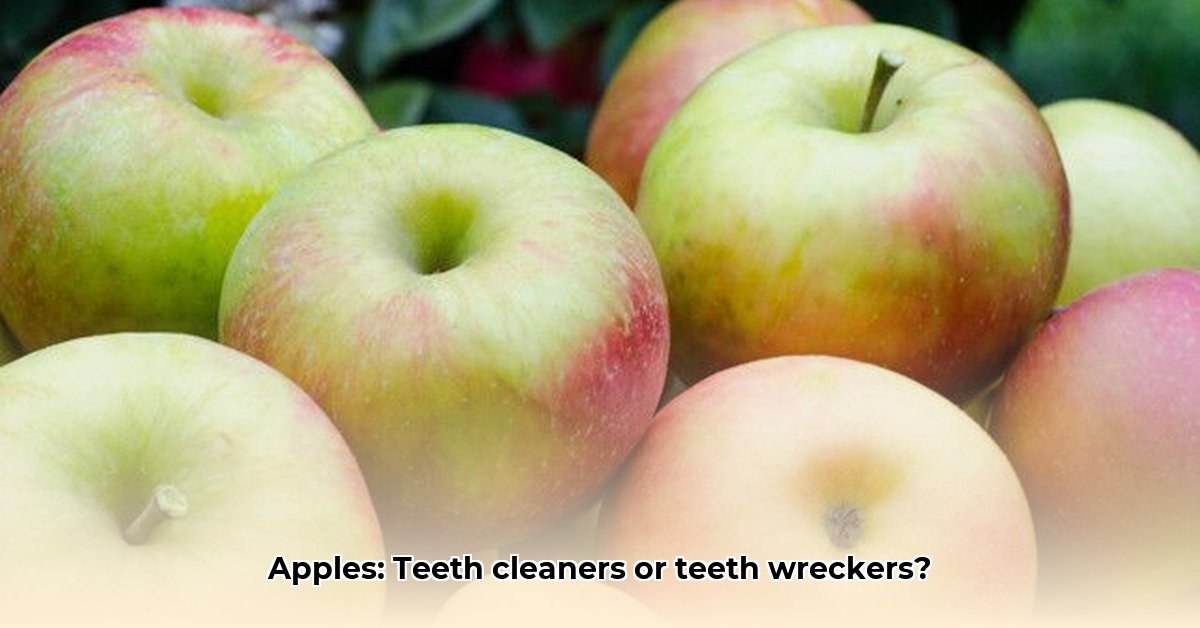
Apples, often hailed as a quintessential health food, have long been associated with an array of health benefits, ranging from heart health to weight management. But what about their impact on dental hygiene? The age-old adage, “An apple a day keeps the doctor away,” seems to have a captivating adjunct: could it also help in maintaining oral health? This exploration dives into the curious intersection between apples and dental care, unraveling whether these crisp fruits can genuinely contribute to your teeth’s well-being.
1. The Science of Chewing: Mechanical Action
When you bite into a crunchy apple, the mechanical action of chewing creates a natural scrubbing effect on your teeth. This action, which stimulates saliva production, can play a pivotal role in dental hygiene. Saliva contains essential enzymes and minerals that assist in neutralizing acids produced by bacteria in the mouth. The more you chew, the more saliva is generated, which may help wash away food particles and reduce plaque buildup on your enamel.
2. Nutrient Composition: A Mineral-Infused Snack
Apples are a rich source of vitamins and minerals, including vitamin C and potassium. Vitamin C is renowned for its antioxidant properties, contributing to gum health by strengthening connective tissues. Potassium, on the other hand, has been linked to regulating blood pressure and supporting overall oral wellness. The nutrient density of apples posits them not only as a snack but also as a supplementary defense against oral ailments.
3. A Natural Sweetness: The Role of Fructose
The natural sugars found in apples, primarily fructose, raise an interesting question. While sugar is often demonized for promoting dental decay, the sweetness of apples has a lower glycemic index compared to refined sugary snacks. The fibrous texture and natural acidity of apples may counteract their sugar content by promoting saliva flow, potentially aiding in sugar metabolism and limiting cavity formation.
4. Acidic or Alkaline? The pH Dilemma
Another intriguing factor to consider is the pH level of apples. These fruits are mildly acidic, possessing a pH that varies between 3.0 to 4.0, depending on the variety. While acidic foods can erode enamel over time, the composition of apples also exudes alkalizing properties when metabolized. The balance of acidity and alkalinity can play a dual role in oral health, warranting consideration when consuming these delicious fruits.
5. Fiber and Its Benefits: Nature’s Toothbrush
The skin of an apple is where much of the fiber resides, acting much like a natural toothbrush. As you bite into an apple, the fibers help sweep away debris lingering between teeth. This brushing effect, combined with the hydrating quality of the fruit, positions apples as an effective intermediary for oral cleanliness, especially in situations where water is inaccessible.
6. Prevention Over Cure: A Holistic Approach
While munching on apples may hold potential benefits for dental health, it is imperative to adopt a holistic approach to oral hygiene. Regular dental check-ups, diligent brushing, and flossing remain the cornerstones of maintaining optimal dental care. Apples might serve as a delightful supplementary tool in your quest for a healthy mouth, but they are not a substitute for conventional oral hygiene practices.
7. The Dangers of Excess: Wise Consumption
Moderation is paramount, especially concerning the consumption of apples. Excessive intake of any fruit, including apples, can lead to sugar overload and potential acid erosion. It is crucial to balance your fruit intake with other food groups, ensuring that you don’t inadvertently compromise your dental health due to overindulgence.
8. Varieties of Apples: Taste and Texture Matters
Diving deeper into the world of apples reveals an array of varieties, each boasting unique flavors and textures. From the tartness of Granny Smith to the sweetness of Honeycrisp, the choice of apple can influence your dental experience. Firmer varieties provide a greater crunch, leading to enhanced chewing activity and increased saliva production, thereby amplifying their cleaning effect. Exploring different types may not only gratify your palate but also optimize their oral health benefits.
Conclusion: Apples as Allies
So, do apples clean your teeth? The answer is a resounding perhaps. While they may not replace traditional dental care techniques, their mechanical scrubbing action, nutrient-rich profile, and fiber content can contribute positively to your oral hygiene regimen. Embracing apples in your diet can be a delicious and healthful way to promote dental health. However, remember that true oral wellness hinges on a comprehensive approach that combines good dietary choices with rigorous dental practices. Embrace this perspective shift, and consider apples as your crunchy allies within the larger realm of maintaining a beautiful smile.









Leave a Comment