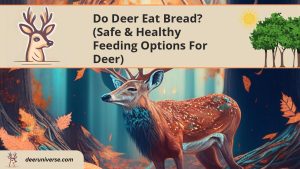
When one finds themselves in the serene presence of a deer, perhaps in a verdant forest or a tranquil backyard, it is not uncommon to feel a pang of curiosity regarding their dietary preferences. The image of a gentle deer nibbling on bread seems both charming and perplexing. Yet, the question lingers: Do deer actually eat bread? This query encapsulates a broader fascination with wildlife and its eating habits, compelling us to delve deeper into the intricacies of a deer’s digestive system, their natural diet, and how our human activities intersect with their existence.
The essence of this inquiry revolves around understanding not only what deer eat but also the suitability of various foods in their diets. Deer are herbivorous creatures, predominantly consuming a wide array of vegetation. In their natural habitat, the diet comprises of leaves, twigs, fruits, and nuts. As ruminants, they possess a unique digestive apparatus that allows them to efficiently extract nutrients from fibrous plant materials. This anatomical design raises vital considerations about how bread, a human-made product, fits into the natural dietary schema of deer.
Initially, it is crucial to reflect on the reasons human beings might offer bread to deer. Oftentimes, individuals believe they are extending a gesture of kindness. Bread can symbolize sustenance in the human world; thus, it seems logical to extend this offering to wildlife. However, the question remains: is this gesture truly beneficial for deer? Curiosity burgeons as the nuances of their health and diet unfold.
Interestingly, bread, particularly in excess, can pose potential risks to deer. Its high carbohydrate content and low nutritional value do not align well with their dietary needs. In fact, the composition of bread is typically foreign to a deer’s digestive system, which is evolved to handle fibrous plant material. The ingestion of bread could lead to digestive issues, such as bloating or even more severe complications if consumed in large quantities. This brings us to a critical point regarding wildlife care; feeding animals outside of their natural diets can inadvertently harm them rather than provide nourishment.
Additionally, one must consider the impact of human food waste in the environments where deer reside. Deer are naturally curious creatures and will explore food sources that stray from their typical diets, including leftover bread. This phenomenon, however, paints a troubling picture: as deer begin to rely on human-provided sustenance, their natural foraging instincts may diminish. Such dependency can create a cycle of unnatural behavior, leading to maladaptive traits that hamper their survival in the wild.
Moreover, the availability of bread and similar food items can inadvertently attract deer to urban areas, exacerbating human-wildlife conflicts. These encounters often result in dangerous situations, such as vehicle collisions or property damage, and can place undue stress on deer populations already grappling with the challenges of habitat fragmentation. It becomes essential, then, to understand the implications of our actions and to consider the broader ecological ramifications of feeding wildlife.
In the broader context of deer nutrition, it is vital to explore their natural food sources. During different seasons, their diet shifts accordingly, driven by the availability of forage. In springtime, for instance, deer flock to tender shoots and emerging foliage, indulging in the succulent offerings of nature’s bounty. Summer brings an abundance of fruits and nuts, actively enticing deer to foraging in fertile woodlands. As autumn yields an array of acorns and grains, these resources fortify deer in preparation for the harsher winter months. During this frigid season, they rely heavily on woody browse – the twigs and buds of trees and shrubs – to sustain them through periods of scarcity.
This leads to deeper reflections on deer and their diets, transcending mere curiosity about bread consumption. It encapsulates a profound appreciation for the delicate balance of ecosystems and the principles governing wildlife nutrition. Observations about deer – their behaviors, choices, and interactions with their environment – serve as poignant reminders of our interconnectedness with nature and the imperative to protect it.
One of the fascinating aspects of deer is not just their charming appearance but their adaptability as well. Deer populations across various regions exhibit distinct dietary preferences, often dictated by available flora and climate. Understanding these preferences enhances our comprehension of ecological diversity and demand, reinforcing the notion that what may be common in one locale can be entirely foreign in another.
While the allure of feeding deer may stem from a desire to connect with wildlife, it is imperative to foster that connection in ways that respect their natural behaviors. One alternative to directly offering bread could be the creation of deer-friendly habitats that replenish their natural food sources. Enriching landscapes with native plants can attract deer, enabling them to thrive in an environment they instinctively belong to. Additionally, raising awareness about the adverse impacts of feeding wildlife can spearhead conservation efforts, promoting coexistence in harmony with nature.
In summation, the inquiry regarding whether deer eat bread leads far beyond the simple act of feeding. It unveils a complex tapestry of ecological understanding, empathy towards wildlife, and the shared responsibility we hold in preserving their habitats. While deer may occasionally consume bread, the implications of making such choices speak volumes about our stewardship of the natural world. Embracing a more profound appreciation for the innate dietary requirements of deer encourages us to rethink our role, fostering a world where wildlife can exist in their natural splendor, unencumbered by the misguiding allure of human generosity.







Leave a Comment