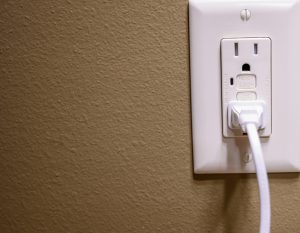
Ground Fault Circuit Interrupter (GFCI) outlets are a marvel of modern electrical safety, designed to prevent electrical shock by interrupting the flow of electricity when an imbalance is detected. Although robust in design, these outlets are often surrounded by a cloud of uncertainty when it comes to their longevity and functionality. The inquiry, “Do GFCI outlets go bad?” not only sparks curiosity but also opens the door to a deeper understanding of electrical safety in our homes. This article will dissect common observations regarding GFCI outlets, explore the nuances of their functionality, and delve into the factors that can contribute to their eventual decline.
Understanding the Role of GFCI Outlets
To appreciate the potential deterioration of GFCI outlets, it is crucial to first understand their integral role in household safety. These outlets are specifically designed to protect against electrical shocks that can occur when a person comes in contact with a faulty appliance or exposed wiring. By continuously monitoring the electrical current flowing through the circuit, a GFCI outlet can detect minute changes in the electrical flow—typically as small as 4 to 6 milliamps. Upon detecting this discrepancy, the GFCI swiftly cuts off the power supply, thus mitigating the risk of electric shock.
Signs That a GFCI Outlet May Be Malfunctioning
The lifespan of a GFCI outlet can span several years, but like any device, they can exhibit signs of wear and tear. Some common indicators that a GFCI outlet might be malfunctioning include:
- Frequent Tripping: If a GFCI outlet trips frequently, it may indicate an underlying issue, such as moisture intrusion or a device drawing excessive current.
- Inoperability of Reset Button: The reset button should be easily engaged and disengaged. Difficulty in resetting the outlet might suggest a failure in its internal mechanisms.
- Unusual Warmth: The outlet should remain cool during operation. If it feels hot to the touch, it could signify an internal fault that warrants immediate attention.
- Loss of Power: Simply put, if the outlet is not providing power at all and the circuit breaker hasn’t tripped, it’s time to investigate.
Factors Leading to GFCI Outlet Failure
Various elements can contribute to the deterioration of GFCI outlets, each possessing its own set of implications:
- Age: With time, the components within a GFCI outlet can wear down. Although rated for several years, prevailing environmental conditions and the electrical load can accelerate this aging process.
- Environmental Conditions: Locations prone to moisture, such as kitchens and bathrooms, can lead to corrosion and degradation of the internal components. Salt air, in coastal areas, poses similar risks.
- Surge Events: Power surges due to lightning or electrical grid issues can fundamentally compromise a GFCI’s circuit and functionality, essentially “burning” out the internal mechanisms.
Maintenance and Testing Practices
Understanding how to properly maintain GFCI outlets can enhance their longevity and ensure optimal performance. Regular testing is vital:
- Monthly Testing: Press the “test” button on the GFCI outlet. If it’s functioning correctly, the “reset” button should pop out, indicating the GFCI has interrupted the circuit.
- Visual Inspections: Regularly inspect outlets for signs of wear, discoloration, or damage. Any visible distortion can be an alert to underlying problems.
Replacing a Faulty GFCI Outlet
When it becomes apparent that a GFCI outlet has reached the end of its service life, a replacement is in order. This process is straightforward but must be approached with caution:
- Safety First: Always turn off the power at the circuit breaker before attempting any work on electrical outlets.
- Proper Sizing: Ensure that the replacement GFCI is of the same amperage and voltage as the original to maintain circuit integrity.
- Follow Instructions: Adhering to manufacturer guidelines during installation will ensure the outlet performs its safety function effectively.
Conclusion: Embracing Electrical Safety
The question of whether GFCI outlets can “go bad” encapsulates much more than a simple yes or no answer. It reveals a deeper narrative about our relationship with electrical systems and the essential mechanisms designed to safeguard our well-being. By understanding how these outlets function, recognizing signs of damage, and committing to regular maintenance, homeowners empower themselves to transform uncertainty into informed action. Thus, ensuring that safety remains the cornerstone of every electrical installation in our lives.











Leave a Comment