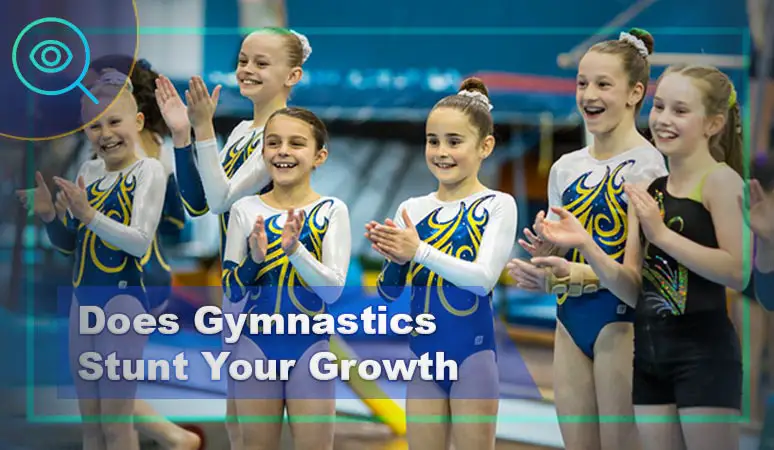
Gymnastics is an exhilarating sport that combines strength, flexibility, and artistry. It captivates many young athletes who wish to flip, soar, and tumble their way to excellence. However, a prevailing concern persists among parents and aspiring gymnasts alike: does gymnastics stunt growth? This question often looms large, clouded by myths and misconceptions. To dissect this intricate topic, we shall explore the science behind growth plates, the physical demands of gymnastics, and the psychological aspects of engaging in such a demanding sport.
Understanding Growth Plates
To navigate the waters of this debate, one must first comprehend the biological framework of growth in children and adolescents. Growth plates, scientifically known as epiphyseal plates, are regions of developing cartilage located near the end of long bones. These plates are vital; they dictate the length and shape of bones as they gradually ossify and fuse when an individual reaches skeletal maturity. Typically, these plates can remain open until the late teens, allowing for significant growth spurts.
Engaging in physical activities can indeed influence growth, but the effects often depend more on the nature of the activities than the activities themselves. Therefore, understanding whether gymnastics impacts the integrity of growth plates becomes paramount.
The Rigorous Demands of Gymnastics
Gymnastics is a sport that places extraordinary physical demands on its practitioners. Young gymnasts hone their skills through rigorous training, which often includes high-impact landings, tumbling, and strength conditioning exercises. This leads us to an insightful question: could such demanding physicality hinder growth?
While there is elucidation on the potential pressures placed on young bodies, many studies suggest that properly guided training in gymnastics does not adversely affect growth. Instead, it may foster physical development in another dimension, enhancing muscle strength, coordination, and overall health. Interestingly, gymnasts tend to have a shorter stature compared to athletes from other sports, but this can often be attributed to genetic predispositions rather than a direct consequence of their involvement in the sport.
The Myth of Growth Stunting
The notion that gymnastics stunts growth can often be traced back to anecdotal experiences rather than empirical evidence. It is crucial to foster a differentiation between correlation and causation. Many young gymnasts might appear shorter, but this does not inherently signal that gymnastics is the culprit. Rather, it might reflect their genetic background or the intensified physical conditioning that may result in lower body fat ratios—another common characteristic of competitive gymnasts.
Moreover, another factor to consider is the age at which a child begins training. Early engagement in gymnastics—specifically before the onset of puberty—can give rise to misconceptions. These early starters may finish growing at an earlier age, leading to a shorter stature compared to peers who began sports later. A nuanced understanding is essential here; intense training does not chemically alter growth but can affect the timing of growth spurts.
Nutrition and Its Role
One pivotal yet often overlooked aspect of growth is nutrition. Adequate nourishment is fundamental for any athlete, especially for those enmeshed in rigorous training regimes like gymnastics. A well-balanced diet rich in calcium, vitamin D, and essential amino acids is vital for optimizing growth and recovery. Contrarily, insufficient nutrition can lead to stunted growth irrespective of the sport undertaken. Thus, a holistic approach—combining rigorous training with sound nutritional practices—can enhance growth potential rather than diminish it.
The Psychological Impact of Gymnastics
Beyond the physical aspects, gymnastics also has psychological bearings worth considering. The discipline, grit, and resilience showcased in this sport can lead to heightened self-esteem and a robust sense of achievement. For many young gymnasts, the emotional growth and life skills gained through gymnastics can be protective factors that are as significant as physiological growth. The sport teaches perseverance in the face of adversity, ultimately shaping well-rounded individuals. Therefore, the question of growth can extend beyond the mere physical confines.
Shifting Perspectives
In exploring the multifaceted relationship between gymnastics and growth, it becomes evident that the sport does not inherently stunt growth in participants. Instead, it can be a conduit for developing resilience, strength, and valuable life skills. Engaging in the sport does not negate the potential for healthy physical development; rather, it offers a unique platform for fitness and confidence-building among young athletes.
Moreover, every child is unique, and their growth potential can be influenced by an amalgamation of genetics, nutrition, and lifestyle choices. By fostering a supportive environment that emphasizes healthy training practices, balanced nutrition, and mental well-being, parents can help their children derive the most benefit from their gymnastics endeavors while minimizing any risks associated with growth.
Closing Reflections
The concern that gymnastics might stunt growth is steeped in misunderstandings and lacks comprehensive evidence. Encouraging youth participation in gymnastics can yield multifarious benefits if approached thoughtfully. As we learn to peel back the layers of speculation, we can embrace gymnastics not just as a sport, but as a holistic developmental experience—one that cultivates not only physical prowess but also the indomitable spirit of young athletes.










Leave a Comment