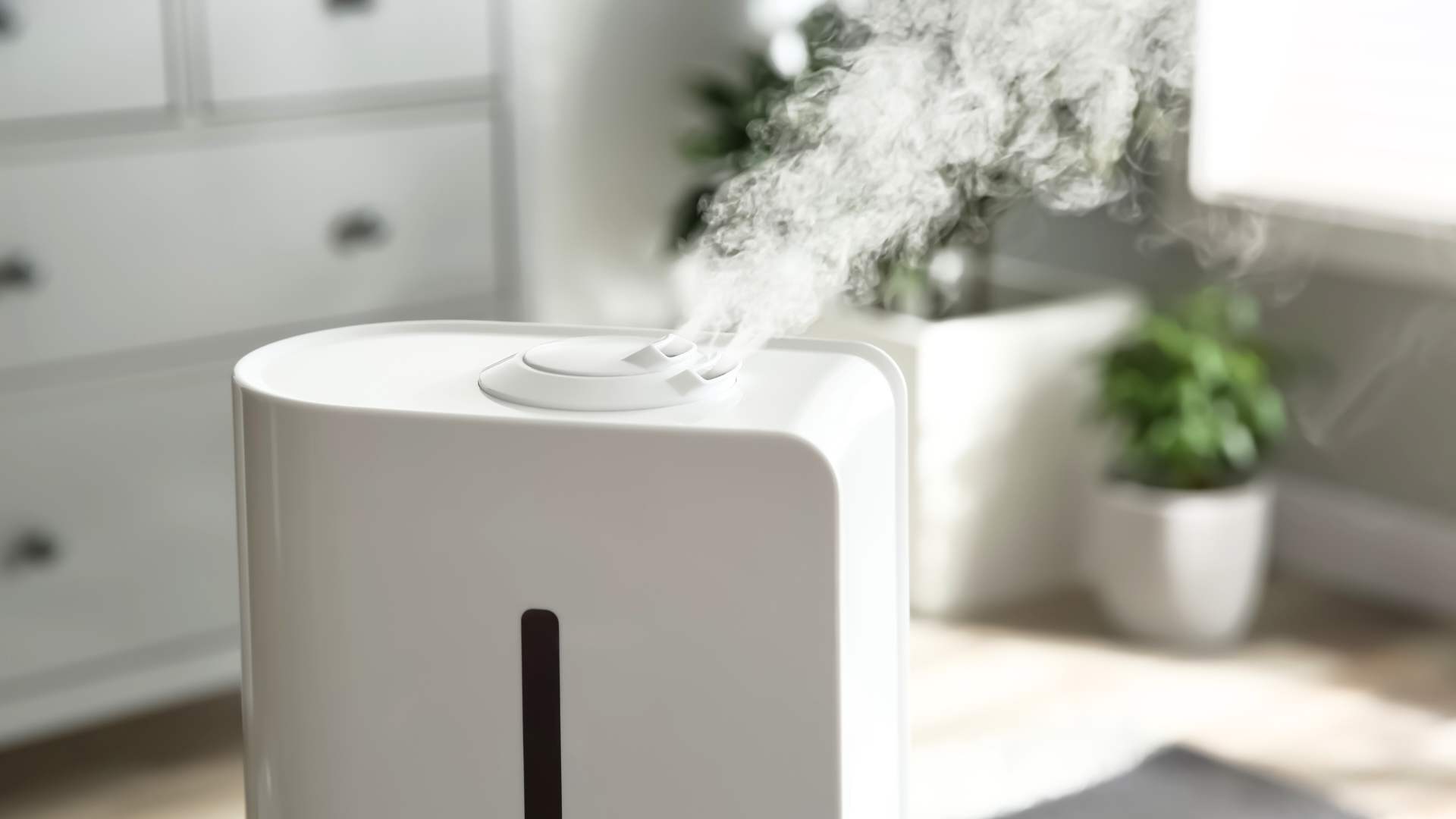
As winter envelops the landscape in a frigid embrace, the warmth indoors becomes a sanctuary. Yet, as you bask in that comfort, you may encounter a common companion to enhanced coziness: the humble humidifier. Promising to banish the dryness that plagues many homes during the colder months, these devices can indeed transform the air, but also simmer with an underlying concern—do humidifiers cause mold? This question beckons an exploration into the delicate balance between moisture and health.
Understanding the relationship between humidity and mold is essential in maintaining a healthy indoor environment. When the air lacks moisture, our skin cracks, our sinuses dry out, and we feel the sting of discomfort. In response, many resort to humidifiers—devices designed to release water vapor, increasing humidity levels and alleviating many of these issues. However, when humidity becomes excessive, the plot thickens. This article delves deep into the intricate dynamics of humidifiers and mold proliferation, uncovering the nuances that govern their interaction.
The Science of Humidity
Humidity level, indicated as a percentage, signifies the amount of water vapor in the air. A relative humidity level of 30% to 50% is generally considered ideal for human comfort and health. Within this range, moisture can alleviate respiratory symptoms, reduce skin dryness, and increase overall comfort. However, when humidity surpasses 60%, an inviting environment for mold growth emerges, a fact that galvanizes concern regarding the use of humidifiers.
Mold: The Uninvited Guest
Mold is a pervasive organism—a tenacious survivor capable of flourishing in conditions where moisture resides. Spores, the reproductive units of mold, are omnipresent in our environment, typically lying dormant until conditions become favorable. Mold thrives in damp, poorly ventilated spaces, where humidity levels soar. The implications of excess mold exposure can be harrowing, resulting in allergic reactions, respiratory issues, and a plethora of other health complications.
Methods of Humidification
To grasp whether humidifiers can indeed catalyze mold growth, one must first examine the various types of humidifiers available on the market. The most common include:
- Evaporative Humidifiers: Utilize a fan to blow air through wet filters, compartmentalizing moisture into the environment. While they tend to self-regulate moisture levels, ensuring they don’t oversaturate the air, poorly maintained units can become breeding grounds for mold.
- Steam Vaporizers: Heat water to create vapor, emitting warm moisture into the room. Although less likely to contribute to mold growth due to high temperatures effectively killing spores, the accumulation of excessive residual moisture can still foster growth in nearby areas.
- Ultrasonic Humidifiers: Generate cool mist using ultrasonic vibrations, and while appealing for their whisper-quiet operation, this type may disperse minerals (if untreated water is used) and contribute to both mold growth and respiratory irritation.
It becomes evident that the propensity for mold proliferation hinges not solely on the humidifier type, but rather on the conscientiousness of its maintenance and the surrounding environmental factors.
The Importance of Maintenance
Regular maintenance of humidifiers is non-negotiable in the quest to avoid mold. Most models require frequent cleaning to prevent the build-up of bacteria and mold inside the unit. Neglecting this critical step can lead to a cascade of health issues, negating the benefits the device was meant to confer. Here are some vital maintenance tips:
- Clean the humidifier as per the manufacturer’s recommendations. This typically involves weekly cleanings and descaling to avert mineral accumulation.
- Utilize distilled water when possible. Tap water often contains minerals that can precipitate in the humidifier, facilitating mold growth.
- Monitor humidity levels with a hygrometer. Keeping humidity between 30% and 50% mitigates the risks associated with mold.
Balancing Act: Humidity Control
To navigate the pitfalls of mold growth, a cautious balance must be maintained. Arming oneself with a hygrometer provides precise insights into the humidity levels within a room. If the humidity rises past the recommended threshold, one might consider modulating the humidifier’s output or temporarily ceasing its operation. The crux lies in vigilance—by adopting proactive measures, one can revel in the benefits of humidity without succumbing to the perils of mold.
In Conclusion: A Thoughtful Approach
The question of whether humidifiers cause mold is not one to be answered with a simple yes or no; rather, it embodies a deeper narrative about the interplay of moisture, health, and environment. Humidifiers, when used judiciously and maintained diligently, can enhance comfort without inviting unwanted mold into your sanctuary. Knowledge is your best ally in this quest for balanced air quality. Embrace it, and breathe easier knowing you have the tools to justly navigate the delicate dance of humidity and health in your home.










Leave a Comment