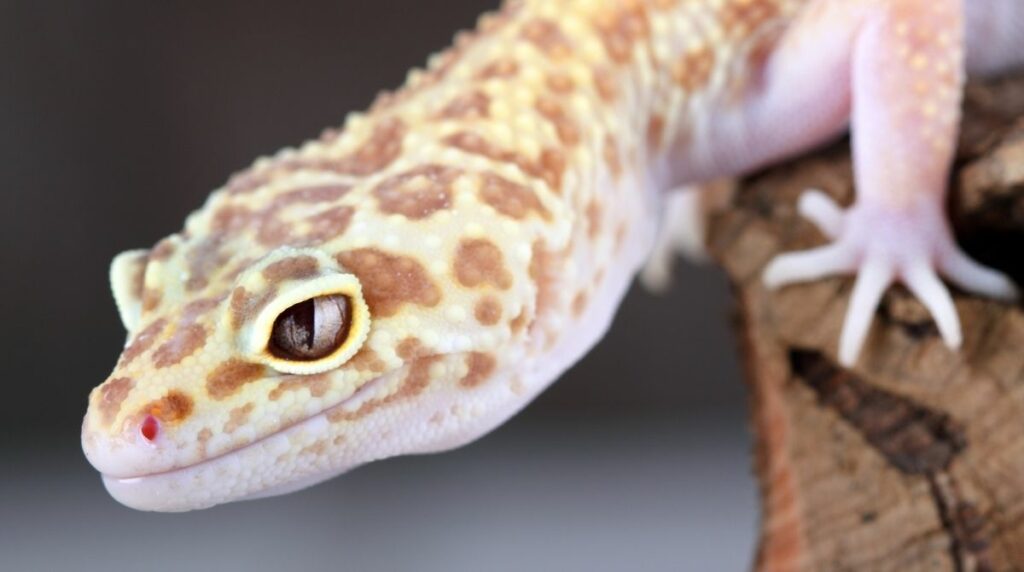
Leopard geckos, with their captivating hues and charming demeanors, have become beloved companions in the reptile-keeping community. As a potential owner or a seasoned enthusiast, ensuring optimal care for these enchanting creatures is paramount. One of the most frequently debated topics among leopard gecko keepers pertains to their UVB lighting requirements. Understanding whether leopard geckos need UVB lighting is essential for their welfare and longevity. In this comprehensive exploration, we delve into the nuances of UVB lighting for leopard geckos, covering their natural habitat, health implications, and practical recommendations.
Understanding the Natural Habitat of Leopard Geckos
To assess the lighting needs of leopard geckos, one must first consider their natural habitat. These lizards are indigenous to the arid regions of the Middle East, particularly found in countries like Afghanistan, Pakistan, and India. In their native ecosystems, leopard geckos inhabit rocky terrains, semi-deserts, and grasslands where they thrive under warm temperatures and experience variable light exposure.
In the wild, these reptiles receive sunlight during the day, which is rich in ultraviolet (UV) rays, including both UVA and UVB. UVA rays play a significant role in stimulating natural behaviors, but it is the UVB rays that are critical for vitamin D synthesis, promoting calcium absorption—a vital component of their biological processes. Although leopard geckos are primarily nocturnal, their evolutionary background suggests that they have adapted to require some exposure to UVB light.
The Role of UVB Lighting in Reptile Care
UVB lighting serves a pivotal role in the health of reptiles. For many species, the benefits of UVB light are well-documented, as they directly influence calcium metabolism. A deficiency in UVB exposure can lead to severe health issues, including metabolic bone disease (MBD), which manifests as weak bones, deformities, and lethargy. Although leopard geckos have developed certain adaptations to thrive on their own, understanding their UVB lighting needs is crucial for those keeping them in captivity.
While leopard geckos are not strict UVB seekers like some diurnal reptiles, evidence suggests that they still benefit from limited exposure to UVB light. This is particularly important when considering the unique metabolic demands that arise during growth, breeding, or recovery from illness. In such scenarios, providing a controlled amount of UVB illumination can significantly enhance their overall vitality and health.
Types of UVB Light Options
When considering UVB lighting for leopard geckos, various options are available, each with its merits and limitations. The two most prevalent forms of UVB lighting are fluorescent tubes and compact UVB bulbs.
- Fluorescent Tubes: These traditional long bulbs emit a broad spectrum of UVB rays. They are often recommended for larger terrariums, as they can cover a wider area. When selecting fluorescent tubes, it is advised to choose those in the 5.0 to 10.0 UVB range, depending on the setup dimensions.
- Compact UVB Bulbs: Compact bulbs offer a more focused UVB emission in a smaller footprint. These are ideal for smaller enclosures or for spaces where fixtures must be compact. Owners should ensure that there is adequate distance between the bulb and the basking spot to avoid overexposure.
Regardless of the type chosen, periodic replacement of UVB bulbs is essential, as their effectiveness diminishes over time, typically around six months of use. Investing in a UVB meter can also be beneficial for monitoring output, ensuring that your leopard gecko receives sufficient exposure without the risk of overexposure.
Implementing a Lighting Schedule
Incorporating UVB lighting into a leopard gecko’s habitat is also about timing. A consistent lighting schedule mimics natural conditions, which can help regulate their circadian rhythms. It is generally recommended to provide UVB lighting for 10 to 12 hours a day, followed by a dark period to allow for rest. This balance supports key biological processes, fostering a more natural lifestyle for your pet.
Alternatives and Additional Considerations
While it’s clear that leopard geckos can derive benefits from UVB lighting, it is also essential to consider alternative approaches. Some keepers might choose to provide a well-rounded diet supplemented with calcium and vitamin D3. Such dietary provisions can help mitigate potential deficiencies in environments lacking UVB exposure.
Nonetheless, diet alone should not replace UVB lighting entirely. The combination of proper lighting and nutritional offerings provides a synergistic approach, safeguarding against common health pitfalls. Regular veterinary check-ups can also aid in monitoring the health status of your leopard gecko.
Conclusion
In conclusion, while leopard geckos may not require UVB lighting as urgently as other reptiles, the inclusion of UVB exposure can greatly enhance their quality of life and health. These captivating creatures, though nocturnal, retain some of their ancestral need for ultraviolet light, making UVB lighting a valuable consideration in their care. Striking a balance between naturalistic lighting, proper nutrition, and a well-structured habitat will undoubtedly yield a thriving environment for your leopard gecko companion. As you delve into the nuances of their care, remember that each gecko is unique; attention to detail can make all the difference in nurturing these delightful reptiles.




Leave a Comment