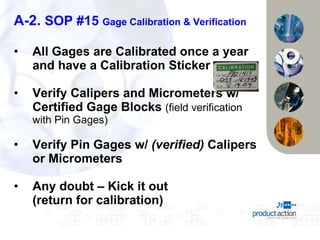
Gauges are ubiquitous in various fields, extending far beyond the realms of automotive applications. They serve as vital instruments in providing measurable data, whether it’s the pressure of a fluid, the temperature of an environment, or the humidity in the air. With their increasing prominence outside the automotive sphere, a lingering question often arises: do non-automotive gauges truly require calibration? The answer is nuanced, reflecting a multitude of factors that intertwine accuracy, safety, and the intricacies of measurement technology.
Calibration is the process of adjusting the accuracy of a measuring instrument. It ensures that the readings produced by the gauge align with a known standard, thereby affirming their reliability. In mechanical and electronic contexts, non-automotive gauges—such as those found in laboratories, industrial applications, and even household settings—perform an equally critical role. For instance, laboratory pressure gauges are essential for experiments that necessitate precise measurements. Any deviation can lead to erroneous conclusions, making calibration not just beneficial, but imperative.
One principal consideration when evaluating the need for calibration is the type of environment in which the gauges are used. Instruments exposed to extreme temperatures, humidity fluctuations, or corrosive substances may experience drift in their accuracy over time. Consider industrial settings where pressure or temperature gauges are subject to rigorous conditions; here, the likelihood of measurement degradation escalates significantly. Regular calibration serves to mitigate these effects, ensuring that the instruments function within acceptable parameters.
Moreover, the frequency and type of use also dictate the calibration needs of non-automotive gauges. Instruments that are frequently utilized, such as digital multimeters, tend to undergo wear and tear. This wear can alter their measurements, resulting in inaccurate data that can cascade into broader operational inefficiencies. Professional guidelines often recommend periodic calibration for such frequently used instruments, guiding users to adhere to established recalibration intervals.
In addition to environmental factors, different types of gauges have varying susceptibility to inaccuracies. Analog gauges, for example, can suffer from parallax errors and mechanical wear, necessitating a more vigilant calibration approach. On the other hand, digital gauges may lose their calibration due to software glitches or sensor malfunctions. The technological sophistication of a gauge can influence the calibration frequency and methodology; thus, understanding the specific mechanics of a gauge type is essential for optimal maintenance.
Inspection and maintenance procedures contribute significantly to calibration discussions. Regular checks can identify preemptive signs of drift before they culminate in critical operational failures. Systems employing non-automotive gauges often implement structured maintenance protocols, encompassing both inspection and calibration. For example, water quality monitoring devices in environmental science frequently require recalibration, driven by changes in sensor sensitivity over time. Such a proactive approach not only aligns with best practices but also enhances the longevity and reliability of the instruments.
Furthermore, in contexts such as healthcare, the stakes of gauge calibration elevate significantly. Medical devices like blood pressure monitors directly influence patient outcomes. A calibrated device can differentiate between hypertensive and normotensive readings; hence, the reliability of such instruments proves indispensable. Health regulations often mandate routine calibration for medical equipment to ensure patient safety, emphasizing the broader societal implications of accurate measurements.
As industries evolve, so too do the standards governing gauge accuracy and calibration. Regulations are becoming increasingly stringent, particularly in sectors such as food and beverage, pharmaceuticals, and aviation. These industries rely heavily on precise measurements to comply with safety standards. For instance, thermometers used in food processing must be meticulously calibrated to avoid foodborne illnesses. Thus, industries not only benefit from calibration but are often legally obligated to practice it, illustrating the intricate relationship between standardization and accountability.
It’s critical to recognize that while calibration can seem daunting, it is fundamentally an investment in quality assurance. The precision of readings can affect everything from cost management to safety practices across various domains. The allure of calibration lies not only in the immediate necessity for accuracy but also in the broader implications for efficiency and compliance. Without calibrated instruments, organizations risk compromising operational integrity and profitability, making calibration a necessary facet of management strategy.
In conclusion, the question of whether non-automotive gauges need recalibrated transcends mere curiosity; it is essential to understanding the myriad contexts in which these instruments operate. From environmental monitoring to healthcare, ensuring the accuracy of gauges can lead to more informed decisions, enhanced safety, and optimized performance. Recognizing the roles these measurements play allows us to appreciate their significance in our daily lives and highlights the often-overlooked necessity of calibration as a cornerstone of reliable technology. As industries continue to advance, so too does the vital need for meticulous gauge calibration and maintenance in preserving the standards of accuracy and safety we often take for granted.








Leave a Comment