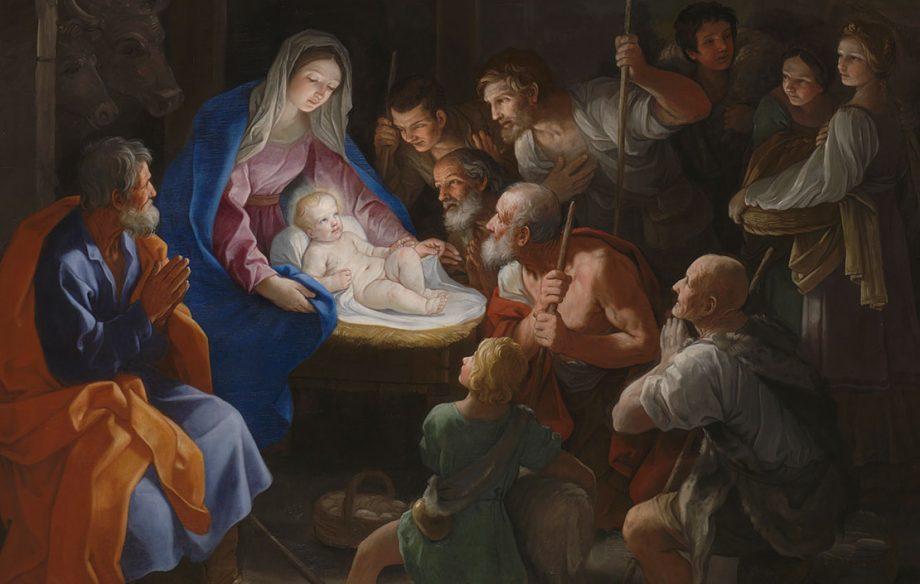
As reverence intertwines with veneration, the age-old query persists: do Catholics worship Mary? This conversation encompasses a spectrum of beliefs, traditions, and historical contexts that merit an exploration beyond surface-level understanding. To dissect this compelling topic, we will delve into key aspects such as the nature of worship in the Catholic faith, the role of Mary within this framework, theological underpinnings, and common misconceptions. Prepare to embark on this enlightening journey that promises to shift your perspective.
The Nature of Worship in Catholicism
Central to grasping the Catholic approach to Mary is appreciating the distinctions that exist within forms of worship. In Catholic theology, a distinction is made between two kinds of reverence: latria and hyperdulia. Latria refers to the worship that is due solely to God, while hyperdulia is reserved specifically for Mary, the Mother of Jesus. This differentiation elucidates the Catholic perspective that while Mary is honored in a manner unique among saints, she is not an object of divine worship.
The impact of this delineation is profound. It underscores a fundamental principle in Catholicism: the veneration of saints, especially Mary, is intended to draw believers closer to God, not to supplant Him. This brings us face-to-face with another pivotal question: what does Mary represent within the broader tapestry of the faith?
Mary as Intercessor
In Catholic belief, Mary is viewed as a significant intercessor. Her unique role stems from her divine motherhood and her proximity to Jesus Christ. Catholics often appeal to Mary as a comforting figure and a powerful advocate who intercedes on their behalf before God. This belief is rooted in passages from scripture, particularly at the Wedding at Cana, where Mary prompts Jesus to perform His first miracle, manifesting her influential role. By requesting Jesus to assist the hosts, she exemplified a bridge between humanity and divinity.
Consider the myriad of prayers directed to Mary, such as the Hail Mary or the Rosary. These prayers often reflect a nuanced request for her intercession rather than an invocation of divine status. In this respect, Mary becomes a model of discipleship, embodying submission and faithfulness to God’s will. Her life and choices can serve as aspirational, guiding Catholics in their personal faith journeys.
Historical and Theological Context
To further understand the Catholic veneration of Mary, one must explore the historical evolution of her role. From early Christianity to contemporary practice, Marian devotion has profoundly shaped Catholic identity. The Council of Ephesus in 431 AD formally declared Mary as Theotokos, or God-bearer, affirming her esteemed position within theology. This was a significant doctrinal affirmation that framed her as an integral part of the Incarnation.
Moreover, devotions such as the Immaculate Conception, which proclaims that Mary was conceived without original sin, and the Assumption, affirming her being taken up into heaven, enhanced her spiritual stature among believers. These doctrines are not merely abstract theological constructs; they inspire liturgical practices and personal devotion.
Common Misconceptions
Nevertheless, misunderstandings abound regarding the Catholic approach to Mary. A prevalent misconception is equating Catholic veneration of Mary with worship akin to that given to God. This sentiment often arises from a lack of familiarity with Catholic teaching and practice. Therefore, it’s essential to illuminate that Catholics do not pray to Mary as a deity but honor her as a pivotal figure within the faith, emphasizing that recognition of her role does not detract from the worship owed to God alone.
Another misjudgment lies in the belief that devotion to Mary might rival or overshadow one’s relationship with Christ. In contrast, it is posited within Catholic doctrine that honoring Mary ultimately leads one closer to Jesus. This is particularly emphasized during the liturgical seasons, where Marian feasts are often celebrated in conjunction with the central tenets of Christology.
The Modern Context
As society begins to grapple with multifaceted views of faith, the role of Mary continues to adapt. Young Catholics, amidst a rapidly evolving spiritual landscape, encounter Mary as a symbol of strength and resilience. Personal testimonies abound of Mary’s intercessory power, serving as a source of comfort during tumultuous times. This evolution highlights how the perception of Mary can pivot based on cultural context while remaining rooted in doctrinal tradition.
Moreover, interfaith dialogues have challenged Catholics to articulate their understanding of veneration versus worship. These conversations can invigorate curiosity and deepen appreciation, sowing seeds of respect among differing faith traditions.
Conclusion
Ultimately, the inquiry into whether Catholics worship Mary is a gateway to a richer understanding of faith, devotion, and the intricate layers of religious practice. By delineating forms of reverence, recognizing Mary’s unique role as an intercessor, and dispelling common misconceptions, a clearer picture emerges. It is a picture that emphasizes Mary not merely as a figure of worship but as a pivotal part of the Catholic journey, encouraging believers to embrace their faith with renewed vigor and understanding. As this mystical dialogue continues to unfold, it promises to spark curiosity and invite deeper exploration into the heart of Catholic devotion, bridging gaps between traditions and enriching the spiritual experience of all.











Leave a Comment