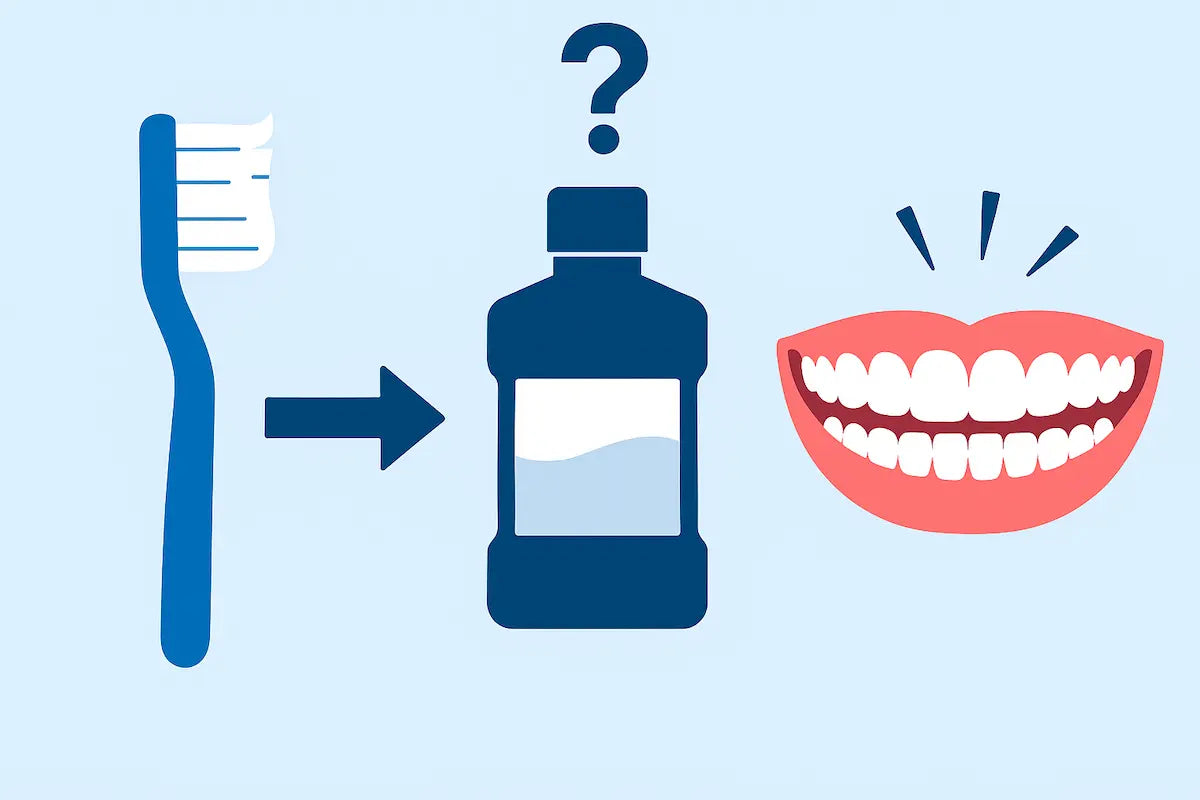
Believe it or not, the question of whether to use mouthwash before or after brushing one’s teeth has garnered a surprising amount of attention in the world of dental care. This seemingly simplistic choice—seemingly trivial yet enveloped in layers of significance—affects oral hygiene outcomes, influences freshness, and elicits personal preference. Through this article, we delve into the nuances surrounding this common inquiry, exploring the rationale behind each method while addressing the psychological underpinnings and practical implications of your decision.
The Role of Mouthwash in Oral Hygiene
Mouthwash, a ubiquitous element in dental care, serves multiple functions: it freshens breath, reduces plaque, combats gingivitis, and contributes to overall oral hygiene. Typically, mouthwash comes in two varieties: cosmetic and therapeutic. While cosmetic mouthwashes temporarily mask bad odors, therapeutic ones are clinically formulated to address specific conditions such as plaque buildup and gum disease.
Choosing to integrate mouthwash into your daily oral hygiene routine can confer distinct advantages, but the timing of its use—either before or after brushing—can significantly influence its efficacy and your oral health.
Using Mouthwash Before Brushing
Some individuals prefer to use mouthwash before brushing their teeth, viewing it as a method to prime the mouth for effective cleaning. This approach engenders a variety of notable benefits:
- Initial Freshness: Rinsing with mouthwash immediately awakens the senses, providing a burst of minty freshness right from the onset of your routine. It can psychologically prepare you for a more thorough clean, making brushing feel more effective.
- Disruption of Bacteria: By utilizing mouthwash beforehand, individuals may disrupt and dilute harmful bacteria, potentially leading to safer interactions during brushing. This dilution might reduce the risk of spreading bacteria around the mouth as brushing commences.
- Comfort for Sensitive Gums: For those with sensitive gums, using mouthwash first might provide a more comfortable experience, easing the irritation before engaging in the more vigorous action of brushing.
However, it is crucial to recognize that while these initial benefits may entice some, there is an underlying consideration—the temporal effectiveness of fluoride, a key ingredient in many toothpaste formulations. Fluoride necessitates a window of undisturbed exposure to effectively strengthen tooth enamel and combat decay.
Using Mouthwash After Brushing
Conversely, the majority of dental professionals recommend using mouthwash after brushing, a practice grounded in scientific reasoning:
- Fluoride Retention: Allowing fluoride from toothpaste to remain on the teeth without immediate dilution from mouthwash amplifies its remineralizing effects. Rinsing afterward allows for prolonged contact, effectively enhancing the protective barrier against decay.
- Removal of Residual Debris: Post-brushing, mouthwash acts as a gargantuan rinse to eliminate any lingering particles that may manifest as plaque or food debris, ensuring a comprehensive clean.
- Long-lasting Freshness: The powerful breath-freshening properties of mouthwash, when used after brushing, instill a sense of cleanliness that can endure throughout the day. In this post-brushing regimen, the jaw and mouth feel invigorated, and psychological satisfaction is achieved.
Understanding Personal Preference and Psychological Factors
The decision to use mouthwash before or after brushing is often subjective, correlating with personal comfort, habit, and even emotional satisfaction. For some, the initial burst of freshness energizes their morning routine, while others may prioritize the perceived thoroughness of brushing followed by a fresh rinse. Herein lies the deeper psychological allure of this choice: it could reflect an individual’s propensity towards meticulousness or a desire for instant gratification.
Additionally, societal influences breed varied preferences. Advertising often portrays mouthwash as an integral part of the dental regimen, reinforcing its immediate use. This commercial narrative may subconsciously sway individuals toward particular practices, without full comprehension of potential consequences.
Myths and Misconceptions
It is also essential to address myths associated with the use of mouthwash. One common misconception is the belief that mouthwash can replace brushing altogether. This dangerous fallacy overlooks the fundamental role of mechanical action in removing plaque and preventing decay. Mouthwash should serve as a supplementary agent rather than a substitute.
Furthermore, some may believe that stronger mouthwashes are inherently better, failing to recognize that excessive use of alcohol-based mouthwashes may lead to xerostomia, or dry mouth, even exacerbating bad breath instead of alleviating it. This insight illustrates the importance of discerning suitable products for individual needs.
Conclusion
Deciding whether to use mouthwash before or after brushing demands careful consideration of various factors: personal preference, the composition of dental products, and oral health outcomes. Ultimately, both approaches carry distinct advantages and minor drawbacks. It’s prudent to prioritize effective dental practices over mere habit, sequestering the real purpose: achieving optimal oral health. As the discourse surrounding this topic continues, individuals are encouraged to explore their choices and speak with dental professionals to tailor their routines. Through informed decisions, we not only enhance our smiles but nurture a deeper appreciation for the intricate relationship between oral hygiene and overall health.





Leave a Comment