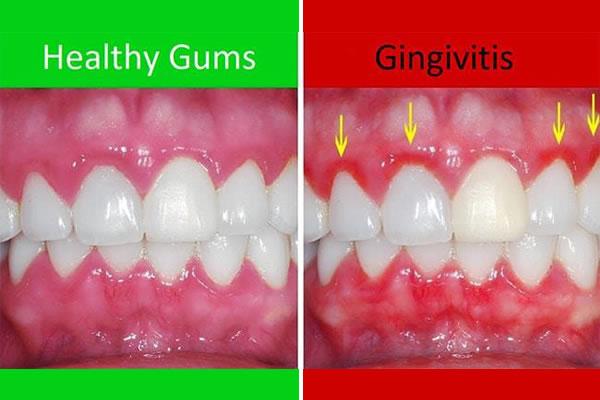
In recent years, the rise of nicotine pouches, particularly Zyns, has garnered significant attention among consumers seeking alternatives to traditional tobacco products. With the promise of a nicotine boost without the smoke, these pouches differ vastly from their contemporaries. However, a pressing concern has emerged: do Zyns cause gum disease? This article delves into the relationship between Zyns and oral health, highlighting the potential impacts on gum disease, the mechanisms behind these effects, and necessary preventative measures.
Understanding Zyn and Its Composition
Zyn is a brand of nicotine pouch that contains no tobacco and comes in various flavors and strengths. Comprised mainly of nicotine, flavorings, and plant-derived fibers, these pouches adhere to the gums, enabling nicotine absorption through the oral mucosa. The convenience and discreetness of Zyn present an alluring option for many. However, while they eliminate some of the harmful effects associated with smoking, they may not be entirely devoid of risks, especially concerning oral health.
The Connection Between Gum Disease and Nicotine
To assess the implications of Zyn use on gum disease, it is essential to understand the nature of gum disease itself. Gum disease, or periodontal disease, is an inflammatory condition affecting the supporting structures of the teeth, primarily caused by the accumulation of plaque—a sticky film of bacteria—on the teeth. The initial stage, gingivitis, is often reversible with proper oral hygiene; however, if left untreated, it can progress to periodontitis, characterized by the loss of bone surrounding the teeth and potentially leading to tooth loss.
Nicotine, regardless of its source, is known to impair the body’s inflammatory response, complicating healing and promoting bacterial growth in the oral cavity. This creates a precarious situation for users of nicotine pouches, as their use may contribute to the onset or exacerbation of gum disease.
Mechanisms of Gum Disease Development Related to Zyn Use
Several mechanisms underscore how Zyns can contribute to gum disease:
- Reduced Blood Flow: Nicotine is a vasoconstrictor, meaning it narrows blood vessels and reduces blood flow. This diminished circulation can impair the delivery of essential nutrients to the gum tissues and hinder the natural healing processes that combat periodontal infections.
- Altered Oral Microbiome: The introduction of nicotine in the oral cavity could shift the balance of the oral microbiome, promoting the proliferation of pathogenic bacteria associated with gum disease, while inhibiting beneficial microbial populations that help maintain oral health.
- Inflammation: Nicotine usage can provoke an inflammatory response in the gums. Chronic inflammation is a primary contributor to gum disease, as it creates an environment conducive to bacterial colonization and periodontal tissue degeneration.
Risk Factors for Gum Disease in Zyn Users
While not every Zyn user will experience adverse effects on their gum health, certain factors can exacerbate the risks:
- Frequency of Use: Regular and excessive use of nicotine pouches amplifies the exposure of the oral tissues to nicotine, increasing the potential for negative outcomes correlating with gum disease.
- Duration of Use: Long-term users face a heightened risk of gum disease progression as cumulative effects can lead to irreversible damage.
- Oral Hygiene Practices: Neglecting proper oral hygiene—regardless of Zyn usage—significantly contributes to the development of gum disease. Users must ensure they maintain a robust oral care routine to mitigate potential risks.
Symptoms of Gum Disease
Recognizing the signs of gum disease is crucial for timely intervention. Symptoms may include:
- Gums that bleed easily, especially during brushing or flossing
- Persistent bad breath or a foul taste in the mouth
- Red, swollen, or tender gums
- Receding gums or sensitivity in the teeth
- Loose teeth
Awareness of these signs empowers users to seek dental advice promptly, particularly if they are Zyn users.
Preventive Measures Against Gum Disease
For those who use Zyns or similar nicotine pouches, implementing focused preventive measures can help protect against the onset of gum disease:
- Robust Oral Hygiene Routine: Brushing twice daily with fluoride toothpaste and flossing regularly is paramount. Consider utilizing an antimicrobial mouthwash to reduce bacteria.
- Regular Dental Check-ups: Schedule biannual visits to your dentist for professional cleanings and assessments. Early detection can make a significant difference.
- Limit Use: Moderation is key. Reducing the frequency of Zyn usage can lessen the risk of gum disease development.
- Stay Informed: Educate yourself about the potential ramifications of nicotine use on oral health; knowledge empowers healthier choices.
Conclusion: Weighing the Risks
The allure of Zyns lies in their convenience and ability to deliver nicotine without the complications of traditional smoking. Yet, the connection between nicotine intake and gum disease is a striking reminder of the potential consequences of nicotine usage. While Zyns may diminish certain tobacco-related risks, they do not eliminate them. Users should remain cognizant of gum health, prioritize oral hygiene, and consult dental professionals regularly to mitigate the effects of nicotine on their gums. Awareness and proactive measures are crucial to ensure that the pursuit of a nicotine alternative does not come at the cost of one’s oral health.











Leave a Comment