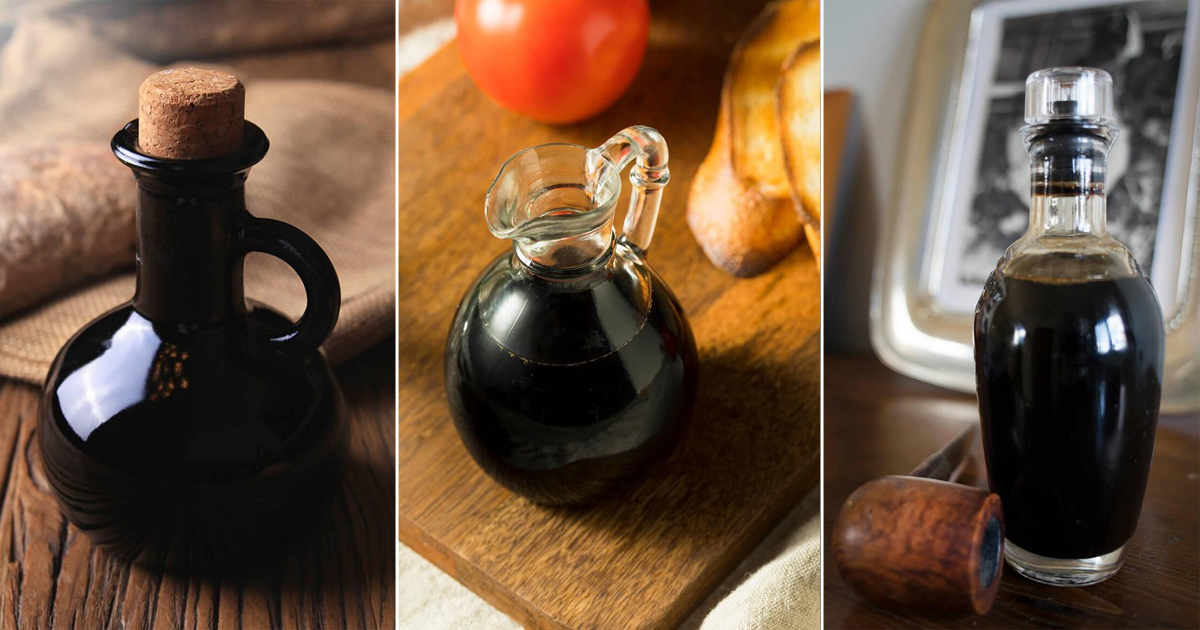
Castor oil—often relegated to the back of your pantry—may resonate with simple beauty tricks or holistic health remedies. Yet, an intriguing question arises: does castor oil go bad? Understanding the longevity and efficacy of this age-old substance could reshape your perspective on its value. As we embark on this exploration, prepare to delve into the factors impacting castor oil’s shelf life, its distinctive features, and how you can ensure it retains its remarkable properties for as long as possible.
The Essence of Castor Oil
Castor oil, derived from the seeds of the ricinus communis plant, possesses a unique composition adorned with a myriad of fatty acids, most notably ricinoleic acid. This fascinating chemical structure makes castor oil particularly effective in various applications, ranging from skin moisturization to natural laxatives. Interestingly, its composition plays a pivotal role in its stability and longevity.
Signs of Degradation
How can one discern whether castor oil has lost its charm? Recognizing several key indicators will enlighten you on the oil’s condition. A rancid smell is typically the first telltale sign; fresh castor oil has a mild scent, while deterioration can result in an unpleasant, almost acrid aroma. Texture changes, such as cloudiness or sediment formation, also suggest compromise. These transformations can impair the oil’s benefits—highlighting the importance of vigilance in storage and usage.
Storage Conditions: A Crucial Factor
The longevity of castor oil heavily relies on its storage environment. Exposure to light, air, and heat can catalyze oxidation, pushing the oil towards rancidity. To preserve its efficacy, store castor oil in a cool, dark place, ideally in an opaque glass container. Such conditions mitigate the chemical reactions that precipitate deterioration, prolonging the oil’s life and potency.
Expiration Dates and Shelf Life
Even the most meticulously stored castor oil has a finite lifespan. Typically, castor oil can endure for about 1 to 2 years when stored properly. Although it does not possess a definitive ‘expiration date’ akin to perishable goods, keeping an eye on the ‘best by’ label—or more aptly, the ‘first opening’ date—can be beneficial. Relying solely on appearance may be misleading, as chemical changes occur invisibly over time.
Utilizing Castor Oil Beyond Its Prime
Is it possible to use castor oil that has reached the end of its practical life? The short answer: proceed with caution. While rancid oil is not typically toxic, its efficacy diminishes significantly, and its use can lead to undesirable skin reactions or minimal results in treatments. If you find yourself with an oil that shows signs of age, testing a small patch on your skin or a minor application on hair may reveal whether it has any residual benefits.
Reverse the Clock: Extending Shelf Life
Fret not; extending the lifespan of your cherished castor oil can be achieved through simple yet effective strategies. Before opening, keep your oil sealed until needed. Upon opening, minimize exposure by ensuring the cap is tightly closed after each use. Additionally, consider refrigerating your oil; though it may become thicker, this temperature can significantly thwart the oxidative processes responsible for spoilage.
The Versatile Applications of Castor Oil
Castor oil’s versatility is truly captivating. It serves as a revered ally in skincare, touted for its moisturizing capabilities and anti-inflammatory properties. Beyond beauty, it has carved a niche within the realm of natural remedies, promoting digestive health and stimulating hair growth. Understanding how these applications align with freshness can encourage a greater appreciation for this unassuming oil, hopefully leading to its more intentional use.
Purchasing Tips: Selecting Quality Castor Oil
When venturing into the marketplace for castor oil, discerning quality becomes imperative. Seek cold-pressed oils, as this extraction method maintains the pure essence of the seeds. Certifications, such as organic designations, can also serve as indicators of quality. Observing the bottle’s appearance; an amber or dark glass often fortifies the oil against light degradation, further ensuring integrity.
Conclusion: A Fresh Perspective
The question of whether castor oil goes bad delves deeper than an exploration of spoilage; it invites contemplation on its tremendous utility and the ethos of mindful storage. By embracing the intricacies of storage practices and being attentive to indicators of degradation, this venerable oil can remain a steadfast companion in your health and beauty repertoire. Equipped with an understanding of its lifespan, you are now poised to wield castor oil with intention, reaping its myriad benefits without hesitation. So, the next time you reach for that familiar bottle, consider not just its potential, but how to sustain it, extending its magic for your future endeavors.







Leave a Comment