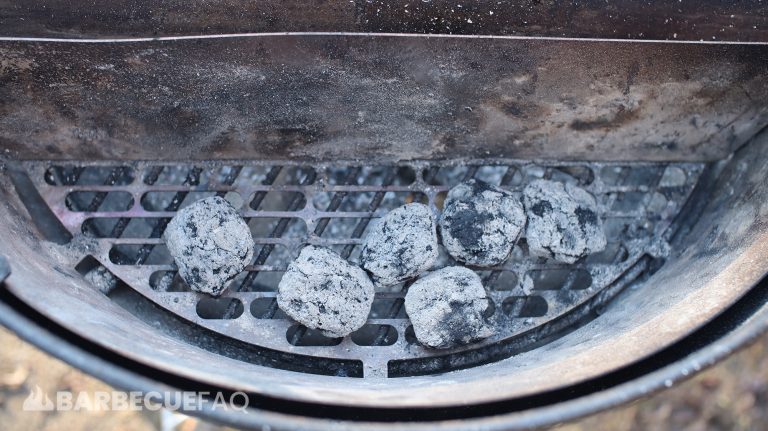
Charcoal, a staple for many grilling enthusiasts and a key ingredient in diverse culinary traditions, often raises the question: does it go bad? The answer is not as straightforward as one might expect. To fully understand the longevity and viability of charcoal, it is imperative to delve into its composition, different varieties, storage conditions, and signs of degradation. This comprehensive exploration will elucidate whether your charcoal stash remains viable or is best discarded.
1. Understanding Charcoal’s Composition
At its core, charcoal is the residue left after the carbonization of organic materials, primarily wood. During this process, volatile compounds are expelled, leaving behind a lightweight, porous form of carbon. Because it is an essentially inorganic product when properly processed, charcoal itself does not spoil in the conventional sense. The absence of water content means that charcoal does not harbor bacteria or fungi, which are the typical suspects in the spoilage of food products.
2. Types of Charcoal
Charcoal comes in several varieties, each exhibiting distinct characteristics and potential shelf lives.
- Binchotan: Often referred to as Japanese white charcoal, Binchotan is prized for its high carbon content and refined texture. This type generally does not go bad due to its purity, but it can absorb moisture and odors, potentially affecting its properties.
- Activated Charcoal: Used primarily for medicinal and purifying purposes, activated charcoal is processed to increase porosity. While it does not spoil, it can lose its efficacy over time, especially if it’s not stored properly, as its porous nature allows it to absorb surrounding contaminants.
- Lump Charcoal: This is produced by carbonizing wood without any additives. Its natural form may develop an ashy surface when exposed to moisture, but the charcoal itself remains usable.
- Charcoal Briquettes: Often made from compressed sawdust and other binders, briquettes may contain chemical additives that could degrade over time or lead to subpar performance. While the briquettes do not “spoil,” they may become less combustible or develop a chalky texture if stored improperly.
3. Storage Conditions and Longevity
The longevity of charcoal is significantly influenced by how it is stored. Ideal storage conditions include a cool, dry place away from direct sunlight. Exposure to moisture can lead to several issues, including clumping or even mold growth in some types of briquettes. For optimal preservation:
- Keep charcoal in a sealed container or original packaging to minimize exposure to air and moisture.
- Avoid storing charcoal in basements or garages that may experience humidity fluctuations.
- Consider investing in a dedicated charcoal storage bin to maintain its integrity.
In general, lump charcoal stored under optimal conditions can last indefinitely, while briquettes have around a three-year shelf life, especially if their sugar content is low.
4. Signs Charcoal Has Gone Bad
Despite its resilience, there are discernible signs that indicate your charcoal is no longer at its prime:
- Moisture Absorption: If charcoal feels damp or has developed a hard, clumpy texture, it has likely absorbed moisture and is unsuitable for reliable use.
- Off Odors: Any unusual or pungent smell could indicate contamination, particularly with briquettes that might absorb odors from their surroundings.
- Inconsistent Burning: If your charcoal fails to ignite efficiently or burns unevenly, it may have degraded, particularly if it is briquette-based.
5. Best Practices for Charcoal Use
To maximize the longevity and performance of your charcoal, adhere to these best practices:
- Evaluate your charcoal’s condition before each use, discarding any that show signs of degradation.
- For activated charcoal, ensure it remains sealed and cool, as exposure to air can diminish its absorptive properties.
- When storing lump charcoal, avoid packing it tightly; allowing for airflow can help prevent moisture retention.
6. When to Replace Your Charcoal
While it’s tempting to cling to a bag of charcoal long after its purchase, recognizing when to replace it is crucial for effective grilling and cooking. Replacing your charcoal every few years will ensure robust flavor and better combustion, ultimately enhancing your culinary endeavors.
In conclusion, charcoal does not go bad in the traditional sense, but various types exhibit different shelf lives and require specific storage conditions to maintain usability. While it is relatively impervious to spoilage, attention must be paid to indicators of moisture absorption, odor retention, and burning consistency.
By understanding the various forms of charcoal, coupled with mindful storage and usage practices, you can ensure that your grilling and cooking experiences remain optimal, flavorful, and free from the concerns of using compromised charcoal. Embrace the art of charcoal cooking, knowing you’re using the best for your culinary creations.







Leave a Comment