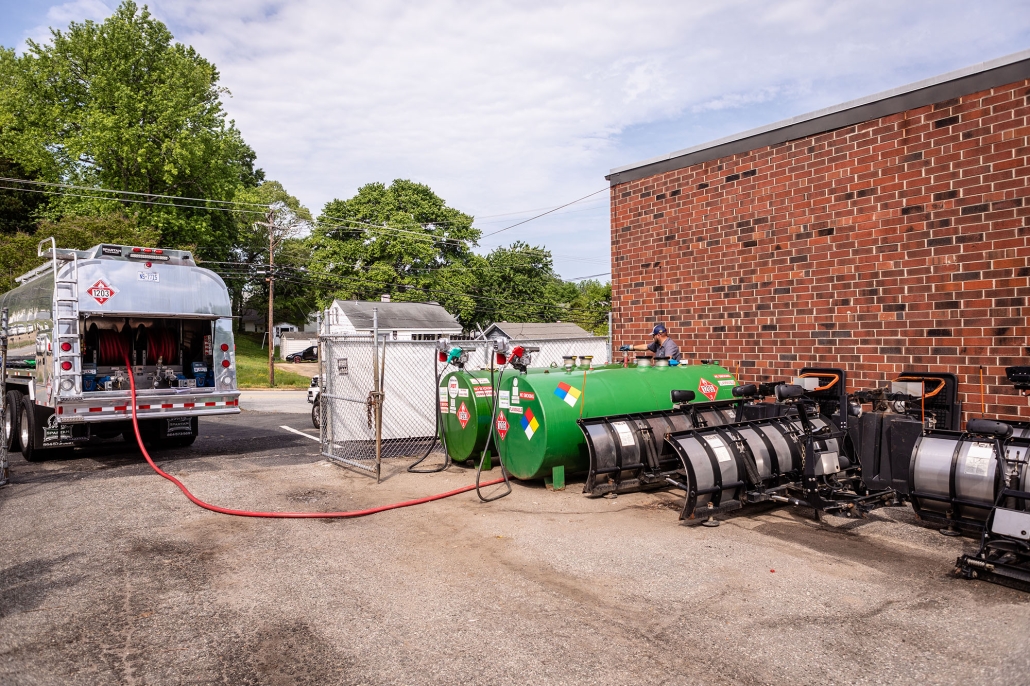
When was the last time you checked the diesel fuel in your tank or storage? Is it still good, or has it taken a turn for the worse? This might seem like a minor oversight, but diesel fuel has a complex chemistry that can present various challenges over time. As we venture into the realm of diesel fuel longevity, we will unfold a series of considerations and practical advice that could keep your fuel — and your engines — running smoothly.
Understanding Diesel Fuel Composition
Diesel fuel is primarily composed of hydrocarbons, derived from the distillation of crude oil. However, it also contains additives designed to enhance performance and protect the engine. As you ponder the question of fuel longevity, it is crucial to understand that these additives can break down over time, particularly when exposed to the right conditions. Oxygen, moisture, and temperature fluctuations can initiate a series of chemical reactions that deteriorate fuel quality.
The Shelf Life of Diesel Fuel
Generally, diesel fuel has a shelf life of 6 to 12 months when stored properly. After this period, you may encounter problems like reduced combustion efficiency, increased emissions, and potential engine damage. However, the answer to whether diesel fuel goes bad can vary widely based on storage conditions. If kept in a cool, dark place and sealed from moisture, diesel may maintain its efficacy for a longer duration, sometimes up to two years or more. But therein lies the challenge — maintaining ideal storage conditions is not always feasible.
Factors Influencing Diesel Fuel Stability
1. Oxidation: As diesel is exposed to air, it oxidizes. Oxidation can lead to the formation of gums and varnishes. These undesirable byproducts can result in clogging and hinder fuel flow.
2. Microbial Growth: Contaminated diesel can become a breeding ground for microorganisms. Bacteria and fungi thrive in the presence of water and can produce slime buildups that obstruct filters and fuel injectors, resulting in costly damage.
3. Water Contamination: Water can enter diesel storage through condensation or leaks. Even a small amount of water can cause significant issues, such as microbial growth noted earlier and corrosion inside tanks, pipes, and engines.
4. Temperature: Diesel fuel behaves differently at varying temperatures. Higher temperatures can accelerate the chemical reactions leading to fuel degradation, while extremely low temperatures can cause wax crystallization and fuel gelling.
Signs of Bad Diesel Fuel
Recognizing when diesel has gone bad is essential for any engine operator. Here are some indicators to watch for:
– Cloudiness: Fresh diesel is typically clear to pale yellow. If you notice an opaque or cloudy appearance, it could be an indication of water contamination or microbial growth.
– Strange Odor: Healthy diesel has a distinct smell. A sour or rancid odor might signal a problem, often tied to microbial contamination.
– Sludge Formation: If you notice sediments or sludge at the bottom of your tank, this can greatly impede your fuel flow and should be addressed swiftly.
– Poor Engine Performance: If your engine experiences stalling, reduced power, or difficult starts, degraded diesel could be the culprit.
How to Store Diesel Fuel Properly
To mitigate the risk of fuel degradation, consider these best practices:
1. Use a Quality Storage Tank: A well-constructed, sealed tank can prevent environmental contamination and minimize air within the tank, reducing oxidation rates.
2. Regularly Inspect Your Fuel: Keep an eye on the appearance of your diesel. Conducting periodic tests for water content and contaminants can help you catch issues early.
3. Keep it Cool: Storing fuel in a cool, shaded area can minimize the risk of temperature-related degradation.
4. Add Stabilizers: Fuel stabilizers can enhance the shelf life of diesel by slowing oxidation and microbial growth, providing an added layer of security.
What Happens to Diesel Fuel That Goes Bad?
The consequences of using degraded diesel fuel can be severe. Engine components such as injectors and fuel pumps can suffer damage due to blockages or corrosive substances within degraded fuel. Ultimately, using compromised diesel can lead to cumbersome repair bills and extended downtime. Thus, vigilance in fuel management can save you time and headaches down the line.
Final Thoughts
Diesel fuel may not ‘go bad’ in the traditional sense, but it certainly can lose its integrity. By understanding the composition of diesel, recognizing the signs of degradation, and adhering to stringent storage practices, you can extend the life of your fuel. Always remember: a little prevention can go a long way in ensuring your engines remain in tip-top shape. So, the next time you’re about to fill your tank, ask yourself — is this diesel as fresh as it should be? Your machinery may depend on it!









Leave a Comment