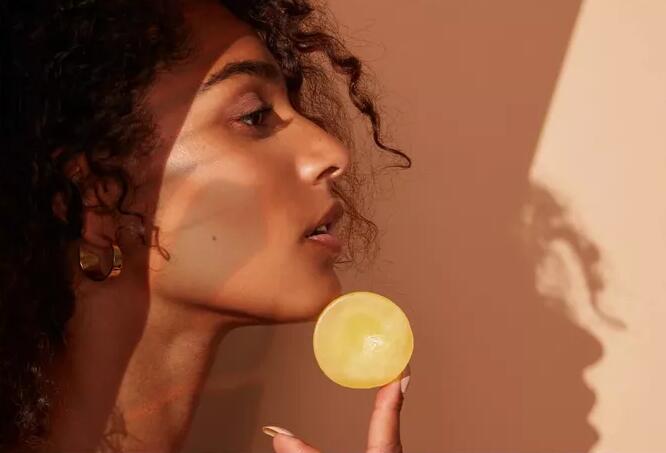
As the sun graces us with its warmth and the days stretch longer, many individuals find themselves pondering a compelling question: does hair grow faster in the summer? This perception isn’t merely a fleeting thought; it reverberates through popular culture and personal anecdotes alike. From enthusiastic beachgoers sporting sun-bleached locks to winter wanderers yearning for vibrancy in their tresses, the connection between warmer months and hair growth has captured the attention of many. Yet, this seemingly simple query invites a deeper examination of the biological, environmental, and social factors at play.
At the outset, it is essential to understand the basic biology of hair growth. Hair grows in cycles, consisting of three distinct phases: anagen (growth), catagen (transition), and telogen (rest). On average, healthy hair grows approximately half an inch per month, regardless of the season. However, anecdotal evidence suggests that during the summer, some individuals experience a surge in growth. This observation warrants a closer look.
One predominant theory behind the seasonal acceleration of hair growth revolves around the effects of sunlight. Ultraviolet (UV) rays, prevalent during the summer months, stimulate the body’s metabolism. A faster metabolic rate can potentially enhance the body’s ability to operate its physiological functions, including the nourishment of hair follicles. Consequently, one might posit that the sun’s invigorating rays could foster an environment conducive to hair growth.
Moreover, the increased exposure to sunlight can instigate a higher production of Vitamin D, a crucial nutrient for hair health. Vitamin D is known to play a pivotal role in the hair growth cycle; it promotes the proliferation of hair follicle cells and supports the delivery of nutrients essential for robust hair development. Individuals indulging in outdoor activities during summer may, therefore, inadvertently contribute to an uptick in their hair growth due to enhanced Vitamin D levels.
The interplay of temperature and humidity also deserves attention. Warm weather typically leads to elevated humidity levels, which can keep hair hydrated and may prevent it from becoming brittle. Hydrated hair is less likely to break or fall out, leading to the perception of faster growth over time. It is worth noting that the lush, verdant environment of summer can also have psychological benefits. Individuals often feel rejuvenated and more inclined to care for their appearance during sunny days, which can include more frequent haircuts, conditioning treatments, or styling—all factors that can contribute to healthier-looking hair.
In contrast, winter’s chill can burden hair with dryness and breakage. The colder months present a stark contrast to the balmy summer air, leaving locks more vulnerable to damage. Hair tends to slow its growth in colder, harsher climates, possibly leading to the perception that summer promotes a faster growth cycle. Thus, personal care regimens during different seasons inevitably affect hair vitality and may skew the perception of seasonal growth rates.
Additionally, the influence of diet on hair growth cannot be understated. In summer, many people gravitate towards vibrant, fresh produce rich in vitamins and minerals essential for hair health. Fruits and vegetables that are plentiful during the warm months can improve overall nutrition, directly benefiting hair, skin, and nails. Foods high in omega-3 fatty acids, antioxidants, and vitamins A, C, and E play an instrumental role in creating a robust foundation for hair to flourish.
Furthermore, hydration plays a crucial role in hair health. During summer, people are often more mindful of their water intake, recognizing the importance of staying hydrated in the heat. Adequate hydration supports the scalp and hair follicles, helping to contribute to healthy hair growth. Conversely, winter often leads to reduced water intake as the cold diminishes thirst among many. Since moisture retention is pivotal for sustaining growth and preventing breakage, this seasonal discrepancy can greatly influence perceptions of hair growth rates.
While external factors undeniably play a role in hair growth dynamics, one’s internal health cannot be overlooked. Stress tends to peak during certain seasons due to various factors, from vacations and holidays in summer to seasonal affective disorder in winter. Chronic stress is known to induce telogen effluvium, a condition that leads to hair shedding. Thus, the perception that hair grows more quickly in summer might also be intertwined with lower stress levels, an inclination toward leisure, and a general uplift in mood and lifestyle.
In conclusion, while it may not be wholly accurate to assert that hair grows unequivocally faster in summer, numerous interrelated factors could support such an observation. Sunlight, humidity, nutrition, hydration, and psychological well-being all contribute to an environment in which hair may flourish more abundantly during the warmer months. The summer’s appeal, while complex, invites exploration and curiosity, leaving many to appreciate the myriad influences that dictate the health and growth of one’s hair. Ultimately, understanding these factors allows individuals to cultivate hair growth effectively, regardless of the season.








Leave a Comment