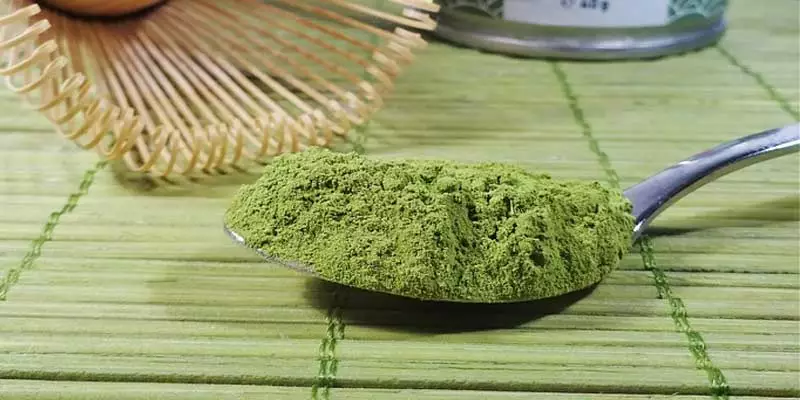
In recent years, matcha has surged in popularity, captivating the palates of health enthusiasts and culinary adventurers alike. This vibrant green powder, derived from finely ground Japanese green tea leaves, promises not just a delightful flavor, but a plethora of health benefits. However, as with any food product, one crucial question emerges: does matcha go bad? In this exploration, we will delve into the nuances of matcha’s shelf life, storage, and indicators of quality, emphasizing a fresh perspective on how we view this remarkable superfood.
Understanding Matcha’s Composition
To comprehend whether matcha can spoil, one must first appreciate its intrinsic qualities. Matcha is rich in antioxidants, particularly catechins, and contains a unique amino acid called L-theanine. These compounds are responsible for its vibrant color and health-promoting properties. However, the very elements that make matcha beneficial also influence its stability and longevity. The delicate nature of matcha suggests that its freshness is paramount to experiencing its full flavor and health benefits.
The Lifespan of Matcha
When contemplating the longevity of matcha, it’s essential to consider various factors, including the type of matcha, its processing, and storage conditions. Typically, an unopened package of matcha can last anywhere from 6 to 12 months past its roast date when stored properly. Once opened, however, the exposure to air, light, and moisture can rapidly decrease its quality. In general, high-grade matcha tends to have a shorter shelf life than cooking-grade matcha due to its fine processing and lack of preservatives.
Signs That Matcha Has Gone Bad
Recognizing the signs of spoiled matcha can prevent unpleasant surprises during your tea experience. The following indicators serve as a comprehensive guide:
- Color: Fresh matcha should exhibit a vibrant green hue. If you notice a dull, yellowish, or brownish tint, it may have lost its potency and is likely past its prime.
- Aroma: The scent of high-quality matcha is grassy and sweet. If the aroma has faded or transformed into a musty or rancid smell, it signifies a decline in freshness.
- Texture: Matcha should feel silky and light. Clumping or an overly gritty texture could indicate moisture exposure, which compromises its quality.
- Taste: If your matcha has soured or develops an off-taste, it’s a clear signal that it should no longer be consumed. Fresh matcha delivers a rich umami flavor that transcends bitterness.
Storing Matcha: Best Practices
To preserve the integrity and flavor of matcha, adhering to optimal storage practices is imperative. Here are meticulous guidelines to follow:
- Air-tight Containers: Always store matcha in an air-tight container, preferably in a dark, sealed tin or jar. This minimizes exposure to air that can initiate oxidation.
- Cool, Dark Places: Avoid placing matcha near heat sources or direct sunlight. A cool, dark cupboard or refrigerator is ideal for maintaining its freshness.
- Avoid Moisture: Use dry utensils when scooping matcha, and ensure the container is free from moisture to prevent clumping.
- Refrigeration: While refrigeration can extend the shelf life of matcha, allow it to come to room temperature before opening to avoid condensation.
Using Matcha Past Its Freshness Date
Even if matcha shows some signs of age, it may still be usable, albeit with diminished quality. Cooking with matcha, for instance, can still yield enjoyable results, especially in recipes like matcha lattes, smoothies, or baked goods. However, for pure consumption, it’s advisable to prioritize fresh matcha to experience its full range of benefits and flavor.
Conclusion: Embracing Quality in Every Sip
In the realm of culinary delights and healthful indulgences, matcha remains an exquisite offering, embodying centuries of tradition and wellness. Understanding whether matcha goes bad invites us to reevaluate how we perceive its value and longevity. By implementing thoughtful storage practices and recognizing the signs of aging matcha, one can fully appreciate the brilliance this superfood brings to our lives. So, the next time you savor a cup of matcha, take a moment to connect with its journey from leaf to cup; relish not just the flavor but also the mindful awareness of crafting a quality experience. Whether you are an avid matcha devotee or a curious newcomer, embracing the delicate nuances of matcha enhances both our plates and our perspectives.










Leave a Comment