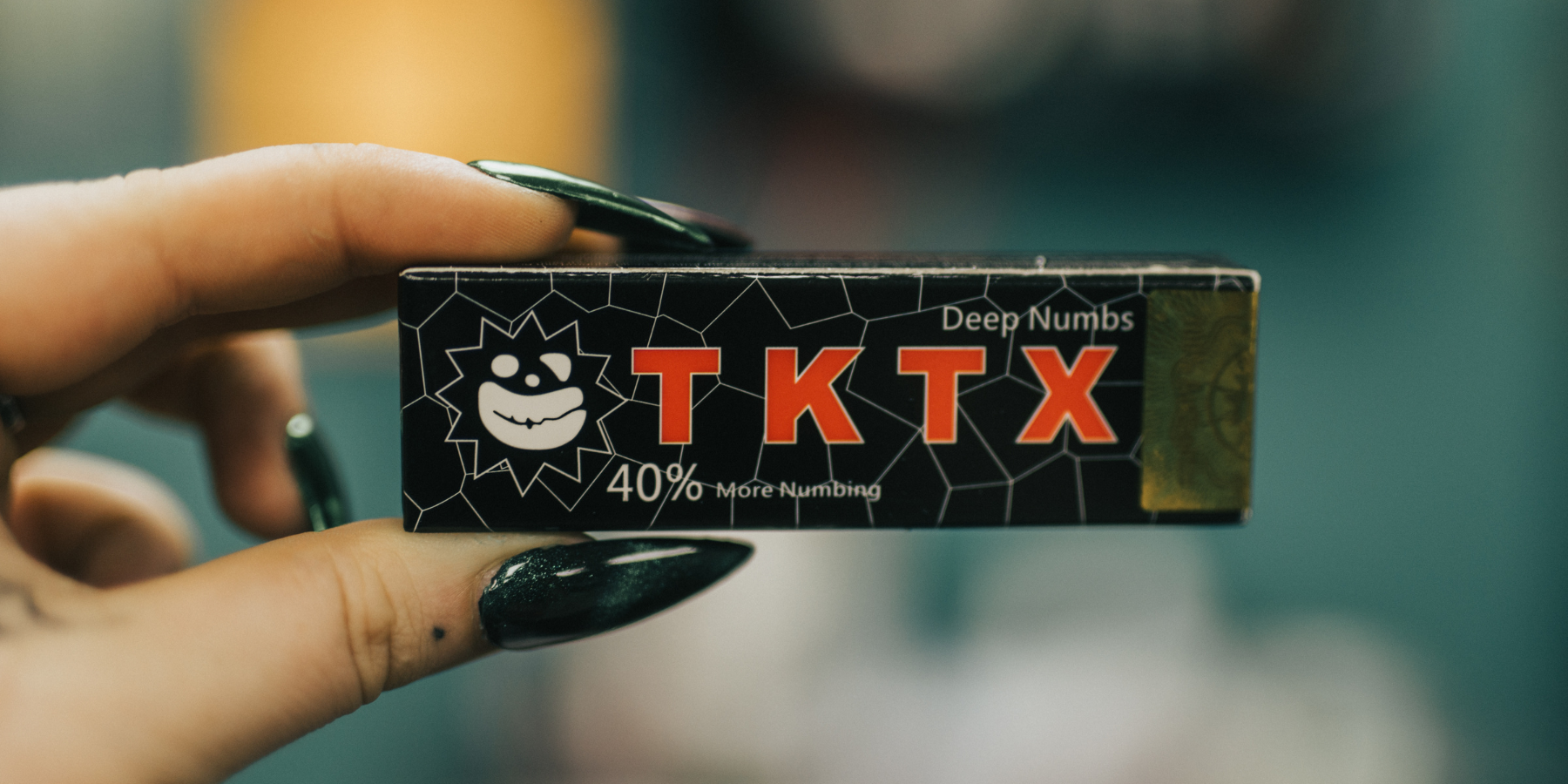
When considering a new tattoo, a playful question often lingers: “Will numbing cream make the experience more bearable?” The allure of transforming a potentially painful process into a more pleasurable one can be tempting. However, as in many aspects of life, there’s more than meets the eye. Exploring the efficacy of numbing creams for tattoos not only involves understanding their function but also delving into the science behind their formulation, the various products available, and potential side effects that could arise.
Understanding why a tattoo can be painful requires a brief exploration of the skin’s anatomy. The skin consists of three primary layers: the epidermis, dermis, and subcutaneous tissue. Tattoos are created by injecting ink into the dermis, where the nerve endings are abundant. Thus, while the outer layer of skin may offer some protection, the sensitive nature of the dermis means that pain is almost inevitable. This explains the burgeoning popularity of numbing creams, which purport to alleviate discomfort during the tattooing process.
To truly answer the question of whether numbing cream works for tattoos, we must first explore the anatomy of these creams. Numbing creams typically contain active ingredients like lidocaine, benzocaine, or prilocaine. These substances function as local anesthetics, temporarily interfering with nerve signals in the skin. When applied correctly and sufficiently in advance of the tattooing process, the expectation is that they will dull sensations. But what does “correctly” entail?
Proper application is crucial for maximizing the effectiveness of numbing cream. Generally, a thick layer of cream should be applied to the intended area, covered with plastic wrap, and allowed to sit for about 30 to 60 minutes before the needle touches the skin. Individuals may be eager to jump straight into their tattoo session, yet allowing the cream to penetrate the skin is essential for optimal pain mitigation.
Nonetheless, no two skin types are the same. Therefore, while some individuals report a significant reduction in pain, others may experience only mild relief, or none at all. The absorption of the cream can vary based on skin thickness, condition, and even body location. For example, areas with thinner skin, such as the inner arm, may respond better than fleshier areas, like the thighs. This introduces an important challenge: the inherent variability in individual skin reactions.
It is equally important to consider the diverse range of products available on the market. Not all numbing creams are created equal. Some may have higher concentrations of active ingredients, while others may be formulated for specific types of procedures. Moreover, the presence of potent ingredients can increase the likelihood of undesired side effects such as allergic reactions, swelling, or even skin irritation. Therefore, it is advisable to conduct research and consult knowledgeable professionals prior to selecting a numbing agent.
As we venture deeper into the discussion, the effectiveness of numbing cream for tattoos also comes down to the type of tattooing process being undertaken. For those embarking on a smaller tattoo or a design that will be applied quickly, the use of numbing cream may prove less valuable. However, for larger, more intricate works—especially those involving shading or detailed line work—numbing cream might make the session far more tolerable, allowing the tattoo artist to work more efficiently without interruptions due to pain.
A fascinating dynamic to explore is the psychological perspective associated with pain perception. Anticipating discomfort can amplify one’s anxiety levels, creating a self-fulfilling prophecy where pain feels exacerbated simply due to the dread preceding it. Conversely, by utilizing numbing cream, some clients report feeling more at ease. Having the potential of reduced pain can transform the tattooing experience from a daunting undertaking into a form of self-expression to be embraced. Yet, one must be cautious of overconfidence, which might lead some to underestimate the actual sensation or pain involved in the process.
So, are there drawbacks to using numbing cream? Yes, they do exist. Aside from potential allergic reactions and varied effectiveness, numbing cream can occasionally lead to a false sense of security. Some individuals may push through tolerable discomfort, unknowingly increasing their susceptibility to unintended injury—such as excessive trauma to skin or oversaturation of the skin with ink, which could potentially affect the final appearance of the tattoo.
Additionally, the effects of numbing creams are transient, usually lasting from one to a few hours. Therefore, they might be less effective if the tattooing session extends beyond this window. Artists generally recommend a collaborative approach, where clear communication between the client and tattoo artist about pain management expectations is paramount.
In conclusion, whether numbing cream works for tattoos is a nuanced inquiry contingent upon multiple factors including individual skin sensitivity, product selection, and tattoo complexity. While numbing creams have the potential to soothe discomfort during tattoo sessions, one must remain cognizant of their limitations. It is imperative to consider both the physiological and psychological dimensions of pain, cultivating an understanding that enhances the tattoo experience. Ultimately, taking an informed, cautious, and collaborative approach about pain management can empower individuals to embrace their tattoo journey with confidence and excitement.











Leave a Comment