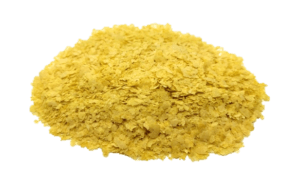
Have you ever found a container of nutritional yeast stashed away in the back of your pantry, covered in a fine layer of dust? You may find yourself pondering a playful question: Does nutritional yeast go bad? This curious inquiry opens the door to exploring not only the longevity of this unique ingredient but also ways to preserve its integrity and maximize its flavor. Here’s an extensive dive into the shelf life, storage tips, and signs of spoilage for this beloved seasoning.
First, let’s familiarize ourselves with what nutritional yeast really is. Known for its cheesy flavor and nutritional benefits, this deactivated yeast is a staple in vegan and vegetarian diets. It’s typically loaded with B vitamins, proteins, and an array of minerals, often touted as a superfood by health aficionados. But in delving into its potential life span, a couple of challenges emerge. How do you ensure that you are using it at its best? And what’s the risk of using it after its prime?
Understanding Shelf Life
Nutritional yeast, when stored properly, boasts a remarkably long shelf life. Generally, unopened containers can last for up to two years if kept in a cool, dry environment. However, once you twist off that lid, the countdown begins. An opened container typically retains its best quality for around six months to a year. But here’s the fun challenge: variations in storage conditions can affect longevity. Factors such as humidity, temperature, and exposure to light can compromise the yeast’s potency. So, how can you navigate these nuances?
Optimal Storage Methods
To stretch the longevity of your nutritional yeast, consider employing these storage strategies:
- Seal it Tight: Always ensure that the container is hermetically sealed after use. Opt for airtight canisters or ziplock bags to minimize exposure to air.
- Cool and Dark: Store your nutritional yeast in a cool place away from sunlight. A pantry or a cupboard is ideal, but avoid areas near the oven or dishwasher.
- Refrigerate for Extended Freshness: For those who live in particularly humid climates, consider refrigerating your nutritional yeast. This can inhibit the growth of any unwanted microorganisms and preserve flavor.
Signs of Spoilage
Now, let’s tackle the question: what are the signs that your nutritional yeast has taken a turn for the worse? Like any ingredient, decline manifests itself in various ways. Here are some telltale signs that you should toss your stash and buy a new one:
- Smell Test: Fresh nutritional yeast typically has a nutty, cheesy aroma. If you detect a rancid or off smell, it’s best to dispose of it.
- Visual Cues: Check for discoloration. Nutritional yeast should have a golden yellow hue. If you observe color changes, clumping, or odd textures, those are red flags.
- Taste Check: If you’ve made it to the taste-testing stage, trust your palate. Dull, off-tasting yeast indicates it has lost potency—better to err on the side of caution.
Does Nutritional Yeast Lose its Nutritional Value?
Another layer of intrigue lies in whether nutritional yeast retains its health benefits over time. While it won’t spoil like perishable foods, its nutritional profile can degrade. B vitamins and other nutrients are sensitive to exposure to heat and moisture, so even if your yeast is safe to consume, it may not deliver its intended health benefits. This begs the question: Is it worth holding onto old nutritional yeast for health reasons? To reap the maximum benefits, freshness is key.
Culinary Applications
Safeguarding the integrity of your nutritional yeast opens up a myriad of culinary possibilities. Here are a few creative ways you can incorporate this delectable ingredient into your cooking:
- Cheesy Sauces: Nutritional yeast adds a delightful umami kick to sauces and dips. Mix it with cashews or silken tofu to create a luscious vegan cheese sauce.
- Sprinkled on Popcorn: Transform a simple bowl of popcorn into an alluring snack by generously sprinkling it with nutritional yeast, alongside some olive oil, salt, and spices.
- Boosting Soups and Stews: A spoonful of nutritional yeast stirred into soups or stews can enrich flavor and muddle in a complex layer of savory goodness.
Conclusion
In conclusion, understanding the nuances of nutritional yeast can elevate both your culinary endeavors and your health. Awareness of its shelf life, optimal storage methods, signs of spoilage, and nutritional preservation are vital for any kitchen enthusiast. While nutritional yeast generally has a generous longevity, treating it with care ensures that you fully enjoy its delightful flavor and nutritional benefits. So, the next time you stumble across those dusty flakes lurking in your pantry, you’ll know exactly what to do!








Leave a Comment