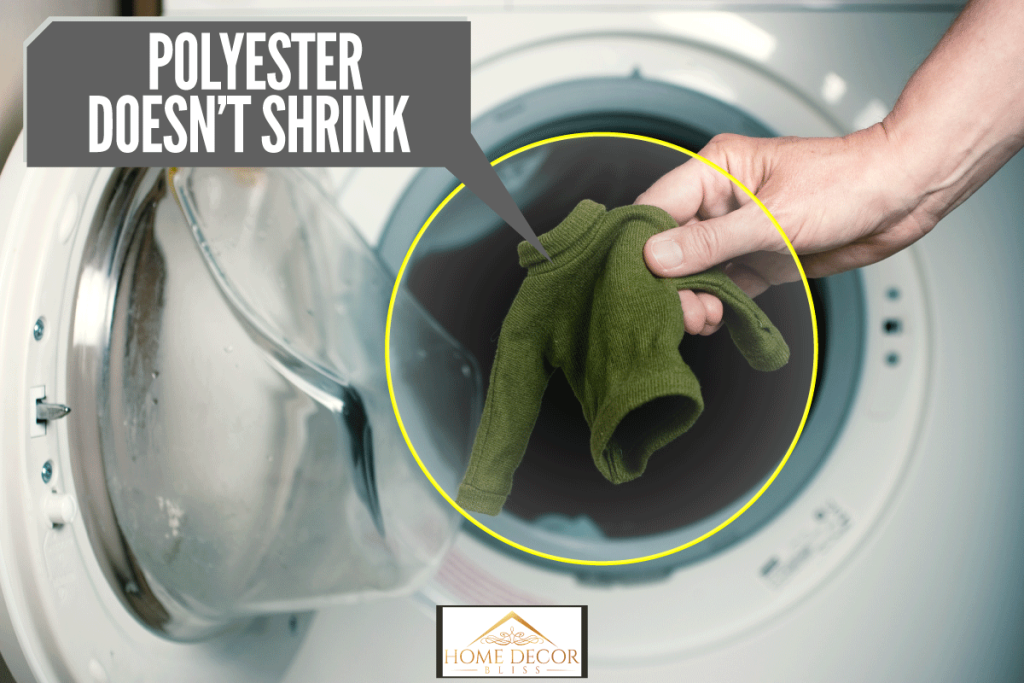
When it comes to washing and drying clothes, many of us are plagued by one pressing question: Does polyester shrink in the tumble dryer? This inquiry may seem trivial at first glance, yet it harbors a wealth of implications for proper clothing care, longevity, and overall wardrobe management. To unravel this conundrum, it’s essential to delve into the nature of polyester itself, explore the effects of heat on this popular fabric, and furnish you with practical tips for optimal garment maintenance.
Understanding Polyester: The Fabric of Modernity
Polyester, a synthetic fabric derived from polymer fibers, has garnered immense popularity due to its versatility, durability, and resistance to wrinkles and shrinking. Unlike natural fabrics such as cotton and linen, polyester boasts remarkable resilience against wear and tear. This quality is largely attributable to its molecular structure, making it a favorite among manufacturers for various applications—from activewear to home furnishings.
However, this raises a pivotal question: How does polyester react under the heat of a tumble dryer? To answer this, one must consider the unique properties of polyester and how they interact with heat and moisture.
The Chemistry of Heat and Polyester
One of the most vital aspects of understanding whether polyester shrinks lies in the science of thermoplastics. Polyester is classified as a thermoplastic material, which means it can be reshaped and molded when exposed to significant heat. While the fabric is designed to withstand high temperatures during manufacturing, the tumble dryer presents a distinct scenario. When exposed to high heat settings for prolonged periods, polyester fibers may indeed contract, resulting in fabric shrinkage. However, the degree of shrinking is contingent on several factors.
Factors Influencing Polyester Shrinking
1. Temperature Settings: The temperature selected on the tumble dryer serves as a primary determinant of whether shrinkage will occur. High heat settings are more likely to induce shrinkage, while lower heat settings generally preserve the fabric’s dimensions.
2. Drying Duration: Extended drying cycles can exacerbate the risk of shrinkage. Even if a lower temperature is employed, prolonged exposure can sometimes lead to undue stress on the fibers.
3. Fabric Blends: It’s not uncommon for polyester to be blended with other fibers, such as cotton or rayon. Such blends may behave differently compared to pure polyester, especially if one of the components is prone to shrinkage under heat.
4. Moisture Content: The moisture level present in the fabric before it enters the tumble dryer can also play a role. Fabrics that are overly wet can experience additional stress as heat is applied, potentially leading to contraction.
Common Myths and Misunderstandings
Many myths surround the behavior of polyester in the dryer, leading to misconceptions. One prevalent belief asserts that polyester is completely shrink-proof. While polyester is indeed less susceptible to shrinkage than some natural fibers, this does not imply immunity. Understanding this distinction can empower consumers to care for their garments more effectively.
Best Practices for Drying Polyester
1. Utilize Low Heat Settings: Opt for a low or medium heat setting to minimize the risk of shrinkage. Many dryers come equipped with a “gentle” or “delicate” cycle designed specifically for synthetic fibers.
2. Shorten Drying Time: Remove polyester garments from the dryer while they remain slightly damp. This will allow them to air dry further without excessive heat exposure, safeguarding their original shape and size.
3. Turn Inside Out: Before placing your polyester items in the dryer, turn them inside out. This simple step can help protect the outer fibers from potential damage due to friction against the dryer drum.
4. Use Dryer Balls: Incorporating dryer balls into your drying routine not only shortens drying time but also helps prevent clumping, ensuring an even distribution of heat.
Conclusion
The question of whether polyester shrinks in a tumble dryer is not just a matter of curiosity; it is crucial for anyone seeking to preserve their wardrobe. Understanding the unique characteristics of polyester, the scientific principles governing its behavior under heat, and implementing best practices can significantly extend the life of your garments. The key lies in mindful care—understanding your fabric, employing low heat, and adjusting drying duration can make all the difference. In the intricate dance between comfort, utility, and longevity, awareness reigns supreme. So, the next time you toss polyester into the dryer, remember: knowledge is the first step toward a more sustainable and cost-effective wardrobe strategy.










Leave a Comment