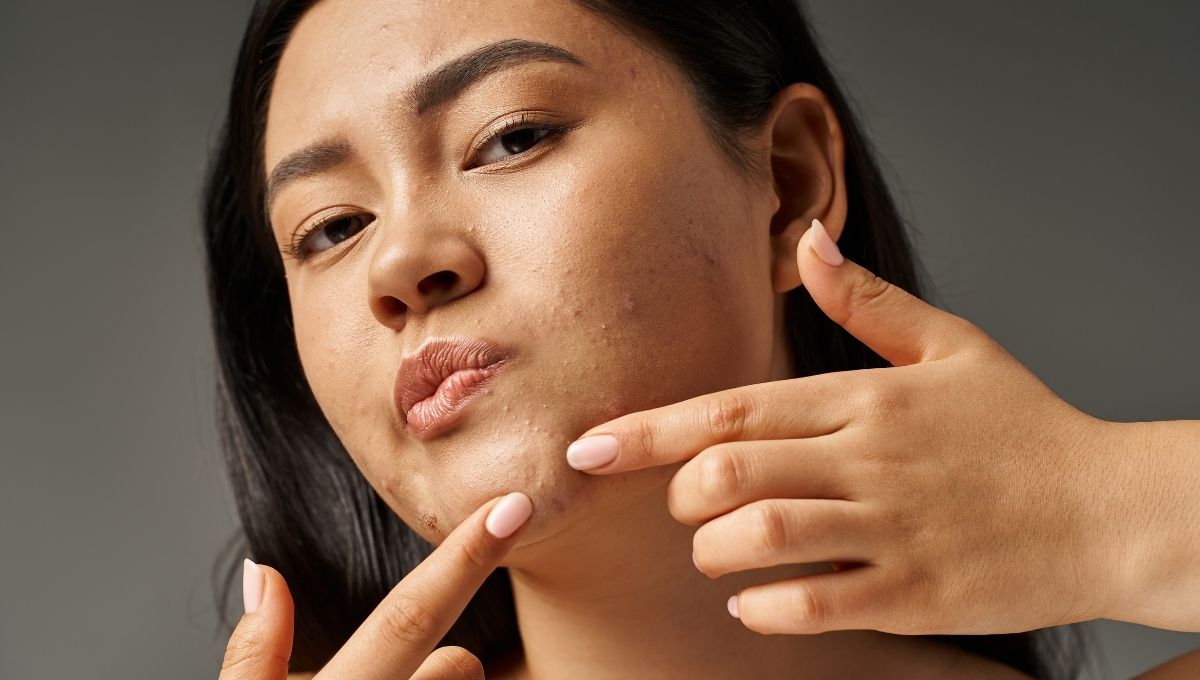
Acne is a common skin condition that affects millions of individuals across the globe, often leaving behind unwelcome reminders in the form of scars. The emotional toll of these scars can be as significant as the physical marks themselves. Among various treatment options, salicylic acid has gained substantial attention for its potential in addressing acne—and the scars that remain post-breakout. In this comprehensive exploration, we will delve into the efficacy of salicylic acid in treating acne scars, examining its benefits, mechanisms, and alternative treatments that may complement its use.
Understanding Salicylic Acid
Salicylic acid is a beta hydroxy acid (BHA) that is derived from willow bark. It possesses unique properties that make it a standout ingredient in dermatology. Unlike alpha hydroxy acids (AHAs) that primarily exfoliate the skin’s surface, salicylic acid penetrates into the deeper layers, dissolving excess sebum and unclogging pores. This quality is particularly advantageous for individuals with oily and acne-prone skin as it helps prevent the formation of new blemishes.
The Mechanism Behind Acne Scars
To comprehend how salicylic acid may impact acne scars, it’s crucial to recognize the different types of acne scars. Atrophic scars, such as icepick and boxcar scars, are often the result of an underproduction of collagen during the healing process. Hypertrophic and keloid scars, on the other hand, stem from an overproduction of collagen. The improper healing of acne can lead to these varied scar types, and different therapeutic approaches are necessary for effective treatment.
Salicylic Acid’s Role in Scar Treatment
Salicylic acid primarily works as an exfoliant, promoting the shedding of dead skin cells and facilitating cellular turnover. This activity can help improve the skin’s overall texture, which is crucial in diminishing the appearance of scars. When salicylic acid is applied, it encourages the growth of new, healthy skin cells, thus potentially reducing the visibility of existing scars over time.
Benefits of Salicylic Acid for Acne Scars
1. Exfoliation: Salicylic acid effectively exfoliates, removing the top layer of dead skin cells and promoting a smoother skin surface.
2. Pore Cleansing: Its ability to penetrate pores helps reduce the incidence of new acne, thereby preventing the cycle of scarring.
3. Anti-Inflammatory Properties: Salicylic acid can help minimize redness and swelling associated with acne, contributing to a more even skin tone.
4. Improved Skin Texture: Regular use can lead to enhanced skin texture by stimulating collagen production, particularly valuable for atrophic scars.
How to Utilize Salicylic Acid
Integrating salicylic acid into your skincare regimen can be done through various formulations, such as cleansers, toners, or spot treatments. Here are essential tips on how to utilize this ingredient effectively:
– Start Slow: If you are new to salicylic acid, it’s advisable to begin with a lower concentration (around 0.5% to 2%) to gauge your skin’s tolerance.
– Patch Test: Conduct a patch test before widespread application to avoid potential adverse reactions.
– Consistency is Key: Regular use, typically twice daily, can yield the best results over time. However, avoid overuse, as it can lead to dryness and irritation.
– Follow with Moisturizer: Always follow up with a moisturizer to prevent excessive dryness and maintain the skin’s barrier function.
Complementary Treatments for Acne Scars
While salicylic acid can provide significant benefits, it may not be a standalone solution for all scar types. Integrating other treatments may enhance overall efficacy. Consider the following:
1. Retinoids: These compounds promote cellular turnover and collagen synthesis, making them ideal for treating various scar types in conjunction with salicylic acid.
2. Chemical Peels: More intensive exfoliation through chemical peels involving stronger acids can effectively reduce scarring when combined with salicylic acid treatments.
3. Microneedling: This procedure stimulates collagen production and can improve skin texture and firmness, often used in conjunction with topical treatments.
4. Moisturizers containing Hyaluronic Acid: Hyaluronic acid can help maintain hydration while other treatments work to reduce scarring and damage.
Final Thoughts
Salicylic acid can indeed serve as a valuable ally in the quest to not only prevent acne breakouts but also ameliorate post-acne scars. Its ability to exfoliate, unclog pores, and reduce inflammation makes it a multifaceted tool in skincare. However, individual experiences may vary, and it is paramount to adopt a holistic approach, possibly integrating additional treatments as needed. Ultimately, while salicylic acid can provide benefits, understanding one’s unique skin type and concerns is essential to devising a comprehensive strategy for effectively addressing acne scars. Patience and consistency in your skincare regimen will be crucial in achieving the desired outcomes, so take heart—transformation is possible.







Leave a Comment