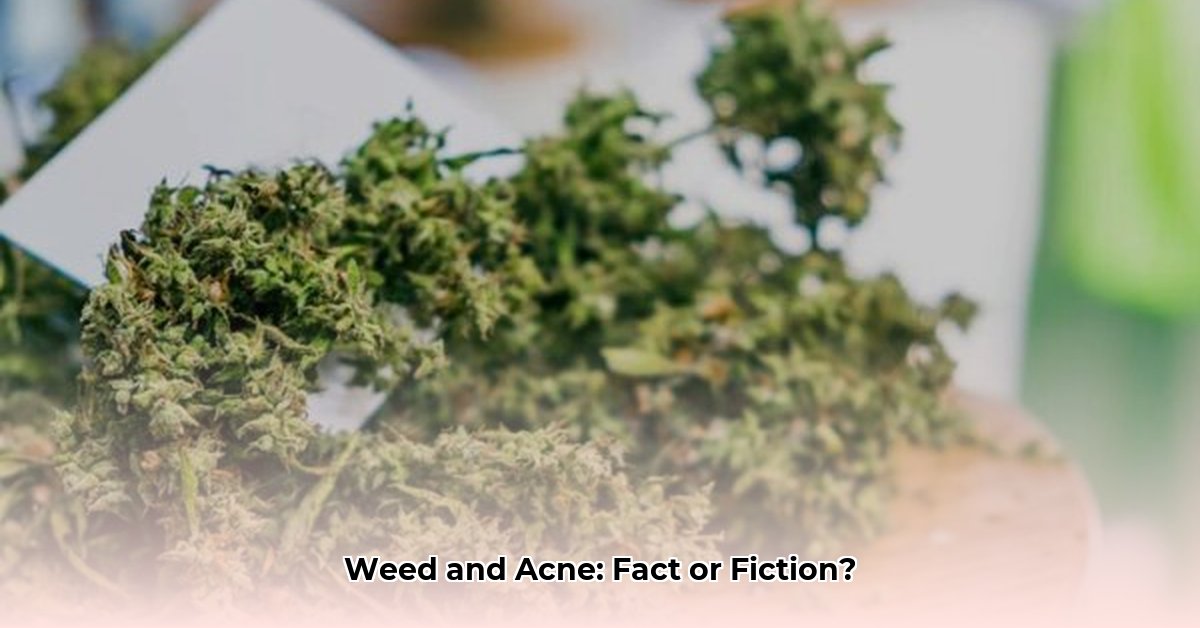
In the realm of skincare and dermatological concerns, acne has been an age-old adversary, affecting the lives of millions worldwide. While the usual suspects—hormones, diet, and stress—often take center stage in conversations surrounding acne, an intriguing question emerges: Does smoking weed cause acne? As we venture into this complex topic, we will unravel the intersections of cannabis use and skin health, exploring the nuances and implications that lie within. What if the very remedy people seek for relaxation and escape could be contributing to their skincare woes? Let’s embark on a journey to discover the multifaceted relationship between cannabis and acne and, in the process, invite a shift in current perspectives.
Understanding the Basics: Cannabis and Its Components
Before delving into the acne conundrum, it is essential to grasp the fundamental structure of cannabis. This intricate plant contains over 400 chemical compounds, with cannabinoids being the most well-known. Among these, delta-9-tetrahydrocannabinol (THC) and cannabidiol (CBD) are the most prominent, each possessing unique properties and effects on the human body. While THC is renowned for its psychoactive effects, CBD has gained popularity for its purported therapeutic benefits, including anti-inflammatory properties. As we consider how these compounds interact with the body, particularly the skin, a clearer picture of the potential link to acne begins to take shape.
Acne: Unraveling the Underlying Mechanisms
Acne is essentially a multifactorial condition driven by a combination of factors, including hormonal fluctuations, excess sebum production, and bacterial growth. When hair follicles become clogged with dead skin cells and sebum, it creates a breeding ground for acne-causing bacteria. Understanding this process is crucial, as it allows us to make connections between cannabis consumption and potential exacerbating factors.
The Role of Hormones and Stress
One compelling area worth exploring is the relationship between smoking weed and hormonal balance. Cannabis is known to influence the endocannabinoid system, which plays a crucial role in regulating various bodily functions, including hormone production. When stress levels are elevated, the body produces an influx of cortisol, a hormone closely linked with increased oil production in the skin. While cannabis may initially provide relief from stress, could it inadvertently lead to a cycle of hormonal imbalance that exacerbates acne? The interplay between stress relief and hormonal fluctuation adds an intriguing layer to our understanding of cannabis and skin health.
Inflammation: A Double-Edged Sword
Inflammation is another critical piece of the acne puzzle. Interestingly, cannabinoids like CBD have demonstrated anti-inflammatory properties, which could theoretically be beneficial for acne-prone skin. However, the manner in which cannabis is consumed—whether through smoking, vaping, or edibles—can influence its impact on the body. Smoking cannabis tends to produce smoke that contains harmful chemicals similar to tobacco smoke, which may irritate the skin and exacerbate existing acne conditions.
The Impact of Lifestyle Factors
The way cannabis is used and the accompanying lifestyle behaviors must also come into play. Consider this: individuals who smoke weed may also engage in other behaviors that could contribute to acne, such as poor dietary choices or lack of hydration. Diet plays a significant role in skin health, and while some people tout the benefits of cannabis for appetite enhancement, any poor eating habits that result from this could lead to further skin issues. Furthermore, smoking can dry out the skin, prompting it to compensate by producing more oil, another factor that may lead to acne formation.
Environmental Factors and Skin Health
The environment in which cannabis is consumed can also contribute to skin issues. Smoking weed often leads to exposure to smoke and various pollutants, which can clog pores and lead to irritation. Moreover, the effects of cannabis use on hydration can’t be overlooked. Dehydration can cause the skin to lose its natural barrier function, potentially leading to compromised skin health and a greater propensity for breakouts.
Exploring Alternatives: CBD and Acne Treatment
As we explore the potential negative implications of smoking weed, one cannot dismiss the growing trend of CBD in skincare formulations. Numerous studies suggest that CBD possesses anti-inflammatory and sebum-regulating properties, making it a promising candidate in the battle against acne. For those who find solace in cannabis but wish to avoid its negative skin ramifications, exploring CBD-infused topical treatments may offer a viable alternative for enhancing skin health.
Conclusion: Reevaluating Perspectives on Cannabis and Acne
The inquiry into whether smoking weed causes acne unveils a tapestry woven with complexity. While cannabis showcases both adverse and beneficial attributes, its multifaceted relationship with acne prompts a careful reevaluation of personal habits and lifestyle choices. As individuals navigate their cannabis consumption, it becomes imperative to consider not only the immediate effects on mental well-being but also the long-term implications for skin health. By fostering awareness of this intricate dynamic, one can make informed decisions, thus embracing a journey toward achieving healthier, clearer skin. Indeed, the understanding of cannabis as a potential contributor to acne may alter more than just skincare regimens—it may transform how one perceives the interplay between lifestyle choices and overall well-being.







Leave a Comment