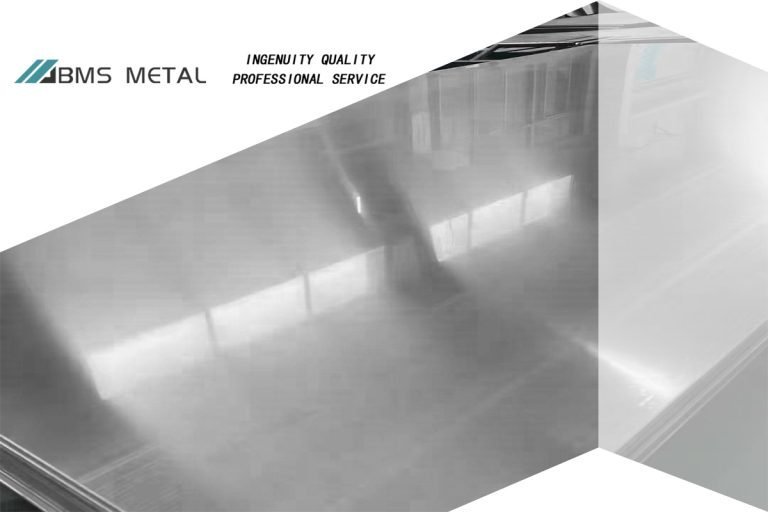
Stainless steel, an alloy forged in the crucible of engineering brilliance, has captivated both professionals and enthusiasts alike. Its unique properties have made it a staple in various applications, from culinary implements to architectural masterpieces. However, beneath its gleaming surface lies an intriguing question: does stainless steel tarnish? This article delves into the depths of this subject, illuminating the nuances of tarnishing, the factors that influence it, and the essential care required to maintain its luster.
Understanding Tarnish: The Veil of Diminished Brilliance
To frame our exploration, it is vital to delineate what tarnishing entails. Tarnish is a chemical reaction that occurs on the surface of certain metals, resulting in a dull or discolored appearance. This phenomenon typically arises from exposure to atmospheric elements or specific chemicals. In essence, tarnish acts as a veiling cloak that obscures the innate brilliance of metals, much like a thin film of fog that lifts momentarily to reveal a breathtaking vista.
The Stainless Steel Alloy: A Composition of Resilience
Stainless steel is not a singular entity but rather a composite of primarily iron, chromium, nickel, and in some cases, other elements such as molybdenum. The chromium content, often around 10.5%, is crucial; it forms a thin, invisible layer of chromium oxide when exposed to oxygen. This layer acts as a protective barrier, preventing the underlying iron from oxidizing and rusting. Thus, while stainless steel can endure the ravages of time and elements better than its traditional counterparts, it is not impervious to all forms of deterioration.
Does Stainless Steel Tarnish? A Qualified Yes
The short answer is that stainless steel can indeed tarnish, but this is a nuanced condition. Unlike silver, which readily succumbs to tarnishing in the form of silver sulfide, stainless steel exhibits resilience against such transformations due to its chromium oxide layer. Yet, various factors can still lead to tarnishing or staining.
Environmental Influences: The Invisible Hand of Nature
One of the primary culprits behind stainless steel tarnishing is environmental exposure. Chlorides, found in salt and many cleaning agents, are notoriously aggressive adversaries. In coastal areas, the salty air can catalyze corrosion, marring the steel’s pristine façade. Similarly, exposure to harsh chemicals or acidic substances can initiate a cascade effect that compromises the integrity of the protective layer. Just as a falcon is not invincible against relentless storms, stainless steel can yield to relentless environmental challenges.
Mechanical Factors: The Echo of Wear and Tear
Another significant consideration lies in the realm of physical abrasion. Over time, utensils or appliances can experience scratches that breach the protective oxide layer. Once this barrier is compromised, the underlying metal is susceptible to oxidation, leading to tarnishing or staining. It is analogous to a fortress breached; once the walls give way, the invaders (corrosive agents) flood in.
Discerning the Types of Stains
Stainless steel can manifest different types of discoloration. The most common forms include:
- Surface Rust: Even stainless steel can develop rust if left uncleaned and exposed to moisture over extended periods.
- Pitting: Small pits can form on the surface due to localized corrosion, especially in the presence of chlorides.
- Discoloration from Heat: High temperatures can alter the surface finish, resulting in a rainbow-like effect that, while aesthetically intriguing, signifies a form of tarnishing.
Care and Maintenance: The Art of Preservation
Maintaining the luster of stainless steel is not merely a chore but an art form that requires diligence and respect for the material. The following practices are essential to ensure that stainless steel shines brightly, devoid of tarnish:
- Regular Cleaning: Utilize mild soap and warm water for routine cleaning, avoiding abrasive scrubbers that can scratch the surface.
- Dry Thoroughly: After washing, drying your stainless steel items is crucial to prevent water spots and stains from forming.
- Avoid Exposure to Harsh Chemicals: Steer clear of bleach, ammonia, or other acidic substances to preserve the integrity of the protective layer.
- Use Protective Coatings: In high-exposure environments, consider applying a specialized polish or sealant designed for stainless steel to reinforce its defenses.
Conclusion: The Enduring Allure of Stainless Steel
In conclusion, while stainless steel is designed to resist tarnish, it is not entirely impervious to it. The allure of this remarkable alloy lies not just in its aesthetic appeal but also in its capacity to stand the test of time. By understanding the factors contributing to tarnishing and adopting proactive care strategies, one can preserve the stainless steel’s brilliance. Much like the way a sculptor meticulously tends to their creation, nurturing stainless steel will ensure that it remains a testament to innovation and elegance, shining brightly through the passage of time.










Leave a Comment