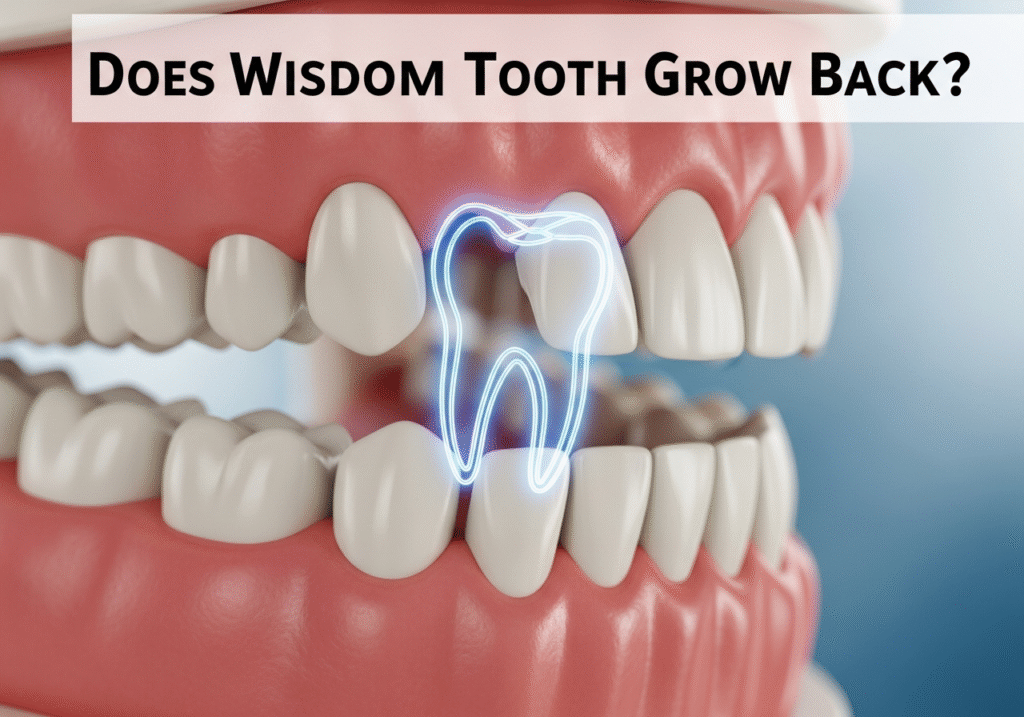
Wisdom teeth, often enigmatic and much-debated, are the third molars that typically emerge in late adolescence or early adulthood. These teeth can spark questions ranging from their necessity to their potential to regrow after extraction. For many, wisdom teeth can be a source of discomfort, complications, and subsequently, dental procedures. In this article, we delve into the intriguing question—does wisdom tooth grow back? We explore the anatomy of wisdom teeth, the clinical implications of extraction, and the factors influencing their growth.
1. Understanding Wisdom Teeth: The Basics
Wisdom teeth, or third molars, are positioned at the back of the mouth and usually erupt between the ages of 17 and 25. These teeth may have evolved to assist our ancestors in grinding down plant tissue, but modern diets have rendered them somewhat obsolete for many individuals. Their positioning often leads to impaction due to insufficient space in the jaw, which can cause pain, infection, or damage to adjacent teeth.
2. Do Wisdom Teeth Grow Back? The Answer
Once a wisdom tooth is extracted, it does not regenerate. Humans have a finite number of teeth—typically 32—and wisdom teeth are among the last to emerge. Despite the rumors and anecdotes surrounding the regrowth of these teeth, dental experts agree that if a wisdom tooth is removed, it is gone for good. Tooth regeneration is generally absent in mammals, and wisdom teeth are no exception to this rule.
3. The Anatomy of a Wisdom Tooth
A wisdom tooth is composed of several elements: enamel, dentin, cementum, and pulp. The enamel is the hard outer surface, while the dentin lies beneath and gives the tooth its shape. The cementum covers the root, anchoring the tooth into the jawbone. Finally, the pulp contains nerves and blood vessels. This intricate structure ensures that once a wisdom tooth is removed—along with its roots—regrowth is impossible, as the pulp and supporting tissues are irretrievably lost.
4. Impaction and Its Consequences
Wisdom teeth can become impacted, leading to a myriad of complications. When there isn’t enough space in the mouth, these teeth may grow horizontally or only partially erupt. This can cause overcrowding, which may result in misalignment of other teeth. Symptoms of impacted wisdom teeth can include swelling, pain, and even malaise in the jaw. If left untreated, impacted wisdom teeth can lead to more serious conditions like infection or cyst formation, making their extraction a common recommendation by dental professionals.
5. The Extraction Process: What to Expect
The extraction of wisdom teeth is a routine dental procedure. It can be performed under local anesthesia, sedation, or general anesthesia, depending on the complexity of the removal and the patient’s anxiety levels. Post-operative care is crucial for a smooth recovery. Dentists typically advise a soft food diet, pain management strategies, and careful oral hygiene practices to prevent infection.
6. Reasons for Removal
Many individuals undergo wisdom tooth extractions for various reasons. The most common rationale includes prevention of future complications associated with impaction, overcrowding, and damage to surrounding teeth. Individuals may also proceed with extraction if they experience recurrent infections, persistent discomfort, or notice the formation of cavities in wisdom teeth themselves.
7. The Myth of Regrowth: Debunking Misconceptions
Amidst the plethora of dental myths, the notion that wisdom teeth can regrow once removed persists. This misconception might stem from patients’ experiences of feeling “tooth-like” sensations or discomfort in the area years after extraction. However, the truth is that those feelings could stem from the growth of bone or the shifting of other teeth, not the emergence of new molars. Understanding the definitive end of wisdom teeth post-extraction can alleviate anxieties and misconceptions surrounding dental health.
8. Alternative Treatments and Monitoring
For some, avoiding extraction may be a viable option. Regular monitoring by a dental professional can help manage the condition of wisdom teeth. Methods such as x-rays and clinical evaluations can be employed to assess whether wisdom teeth pose a risk. If minimal complications arise, some individuals may maintain their wisdom teeth as functional parts of their dentition.
9. Implications for Overall Dental Health
The decision to extract wisdom teeth can have implications beyond immediate dental health. Proper management of wisdom teeth can contribute to the maintenance of overall oral hygiene. On the flip side, neglecting impacted wisdom teeth can lead to infections that may compromise not only dental health but systemic health as well. Infections in the mouth can cause inflammation and, in severe cases, enter the bloodstream.
Conclusion
In summary, wisdom teeth do not grow back once extracted—an immutable fact that holds true across the dental community. Understanding the significance of these teeth, as well as the implications of extraction, can empower individuals to make informed decisions regarding their oral health. Regular dental check-ups and proactive management of wisdom teeth can lead to a healthier, more comfortable future, devoid of the complications often attributed to these enigmatic molars.











Leave a Comment