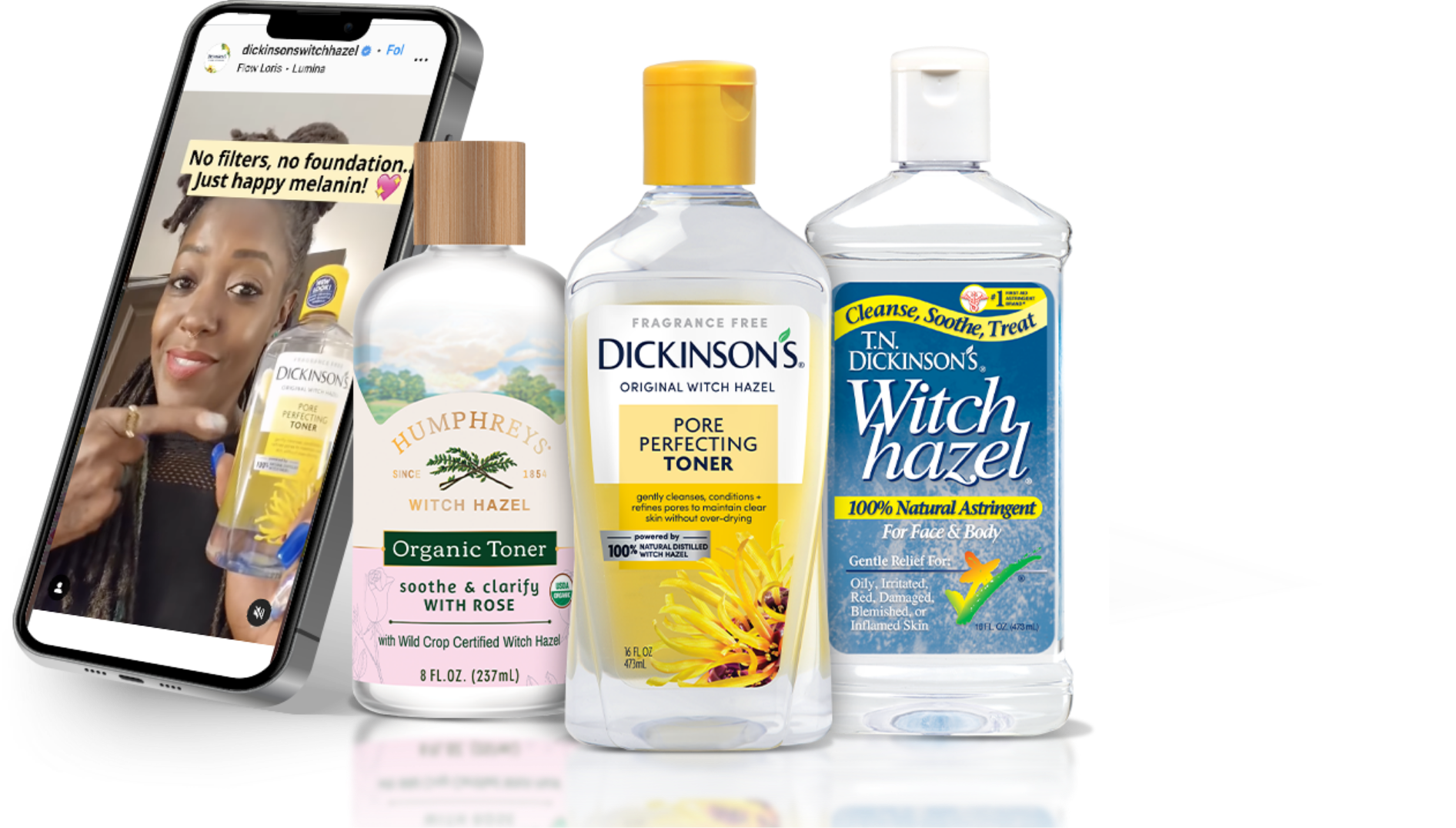
Witch hazel, a captivating botanical extract derived from the bark and leaves of the Hamamelis virginiana shrub, has garnered a venerable status in natural skincare and health realms. Renowned for its astringent properties and skin-calming benefits, it has become a staple in many households. However, amidst its myriad uses, a pertinent question arises: does witch hazel expire? This inquiry not only reflects a practical concern but also delves deeper into the larger themes of natural product efficacy, shelf life, and the science behind preservation.
Understanding Witch Hazel: An Overview
To fully appreciate the expiration of witch hazel, one must first explore its composition and properties. As a natural remedy, witch hazel is celebrated for its anti-inflammatory and antioxidant characteristics. Containing tannins and flavonoids, it offers a plethora of benefits, from soothing acne and minor skin irritations to alleviating inflammation. The primary extraction methods, including distillation, can affect its potency and thus relate directly to its longevity.
The Science of Expiration
Every product, whether synthetic or botanical, possesses a finite shelf life. This limitation arises from various chemical and environmental factors that lead to degradation. Witch hazel, primarily composed of water, alcohol, and active herbal components, faces similar challenges. Over time, exposure to air, light, and temperature variations may compromise both its efficacy and safety.
The Shelf Life of Witch Hazel
On average, commercially available witch hazel products can last anywhere from 3 to 5 years, contingent on their formulation and storage conditions. The presence of alcohol, for instance, plays a crucial role. Alcohol acts as a preservative, extending the product’s viability by preventing microbial growth. Those formulations with a higher alcohol content are likely to last longer, making them more resilient against spoilage.
Signs of Spoilage
Recognizing when witch hazel has surpassed its prime is essential for safe usage. Key indicators of spoilage include:
- Changes in Smell: A sour or rancid odor can indicate the degradation of active compounds.
- Altered Color: A noticeable darkening or cloudiness is a telltale sign of chemical changes.
- Separation: If the ingredients appear to have separated, it suggests a compromise in formulation stability.
- Irritation: If skin reactions occur upon application, it may be prudent to reconsider the product’s viability.
Proper Storage Practices
To prolong the life of witch hazel, mindful storage practices are imperative. Here are some facilitating approaches:
- Cool, Dark Locations: Store witch hazel in a cool, dark space, away from direct sunlight and humidity.
- Seal Tightly: Ensure that the container is tightly sealed to minimize exposure to air and contaminants.
- Refill Wisely: Avoid transferring witch hazel into smaller containers, as this can lead to frequent exposure to air.
Natural vs. Commercial Witch Hazel
While commercial witch hazel often incorporates additional stabilizers and preservatives, natural preparations—especially those crafted at home—may have a shorter life span. If opting for a DIY version, be aware that the absence of alcohol significantly reduces preservation potential. These homemade concoctions are best used promptly and stored in the refrigerator for optimal freshness.
The Role of Packaging
A critical aspect often overlooked in the discussion of shelf life is packaging. Dark glass bottles can protect witch hazel from light exposure, thereby enhancing its longevity. In contrast, clear plastic containers may not provide the same safeguarding benefits, leading to quicker degradation. Choosing optimal packaging can be a prudent investment in preserving the natural efficacy of witch hazel.
Expiration Dates and Best-By Labels
In the realm of personal care products, understanding expiration dates is paramount yet often muddled. Manufacturers typically provide a best-by date, a recommendation rather than an absolute expiry. This label signifies when the product will likely retain optimal potency and efficacy. After this date, the witch hazel may still be safe to use but could lack the full spectrum of benefits initially promised.
Conclusion: Embracing Quality and Efficacy
In the grand tapestry of natural remedies, witch hazel stands out as a multifaceted gem known for its therapeutic properties. However, its efficacy is intrinsically tied to its shelf life and the careful consideration of factors leading to expiration. By understanding the nuances of storage, recognizing signs of spoilage, and embracing proper usage directives, one can elevate their experience with this illustrious botanical marvel. Thus, the next time you reach for that bottle of witch hazel, consider its journey, its story—one of nature’s gifts, layered with complexity and beckoning for examination, intrigue, and respect.









Leave a Comment