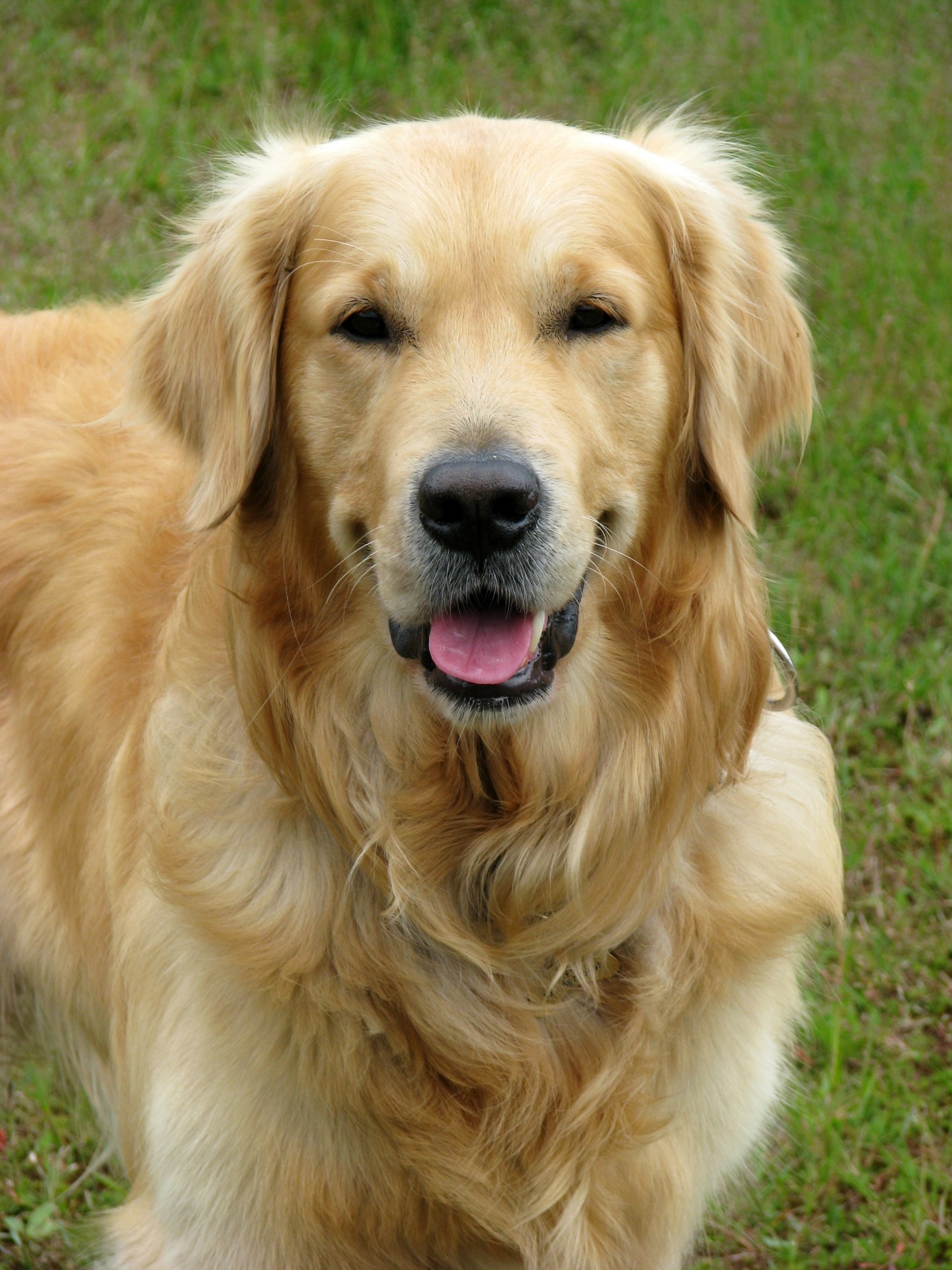
Dogs are known as man’s best friend, and their behaviors often intrigue and perplex their human companions. One common observation that many dog owners encounter is excessive panting. This seemingly simple act can be a perplexing indication of various underlying factors. Understanding why your dog is panting a lot can unveil a tapestry of insights into their health, emotional state, and overall well-being.
First and foremost, it is essential to recognize that panting is a natural physiological response in dogs. Unlike humans, who primarily utilize sweating as a method of thermoregulation, dogs depend on panting to cool themselves down. Their unique anatomy—complete with fur coats—restricts their ability to regulate temperature effectively through perspiration, making panting a crucial adaptation for temperature control.
However, not all panting is created equal. When a dog is panting heavily after vigorous exercise or on a hot day, this response is expected. In these instances, panting aids in enhancing evaporative cooling, allowing excess heat to dissipate. Conversely, an increase in panting when a dog is resting or in a cool environment may warrant closer scrutiny.
**Identifying the Triggers of Excessive Panting**
Understanding the context is vital when determining the significance of a dog’s panting. Several triggers can elicit this response, ranging from benign to concerning:
- Environmental Factors: High temperatures and humidity can exacerbate panting. Dogs may struggle to maintain a comfortable body temperature, which leads to heightened respiratory rates.
- Exercise Level: Active play, vigorous walks, or running can certainly lead to panting. In this situation, it is generally a healthy response, notifying the owner of the need for a break.
- Stress and Anxiety: Just like humans, dogs experience emotional fluctuations. Situations that induce anxiety, such as thunderstorms, fireworks, or unfamiliar environments, can trigger excessive panting as a response to stress.
**Potential Health Concerns Related to Excessive Panting**
Excessive panting can also reveal significant health issues that require immediate attention. Here are some potential medical conditions that can manifest through this behavior:
- Heatstroke: Dogs are particularly vulnerable to heat-related illnesses. Signs of heatstroke, including excessive panting, lethargy, and drooling, demand immediate veterinary intervention.
- Pain or Discomfort: Panting can be a response to pain. Conditions such as arthritis, abdominal distension, or injuries may prompt a dog to pant as a means of coping with discomfort.
- Respiratory Issues: Issues related to the lungs or airways can cause panting due to inadequate oxygenation or difficulty breathing. Conditions such as pneumonia, asthma, or even heart disease can be alarming indicators.
- Medication Side Effects: Certain medications can lead to increased thirst and panting as side effects. If a pet owner suspects that medications may be involved, it is essential to consult a veterinarian.
**Observing Accompanying Symptoms**
To discern the significance of your dog’s panting, consider observing accompanying symptoms that may provide a clearer picture of their health:
- Changes in Behavior: Is your dog becoming withdrawn, irritable, or overly restless? Behavioral alterations can accompany health issues.
- Appetite Fluctuations: A noticeable change in eating habits—such as refusing food—may indicate underlying discomfort or illness.
- Vomiting or Diarrhea: Gastrointestinal distress alongside panting necessitates prompt veterinary evaluation.
**Consulting a Veterinarian**
If panting persists without a clear explanation, it is advisable to consult a veterinarian. They can conduct a thorough examination, potentially involving diagnostic tests to ascertain the underlying cause. Regular check-ups can help identify health issues before they escalate, ensuring your furry friend’s well-being.
**Preventative Measures for Dogs Prone to Panting**
While some panting is natural, there are proactive steps pet owners can take to mitigate excessive panting:
- Maintain Hydration: Always provide fresh water, especially in warmer months, to encourage hydration and help regulate body temperature.
- Limit Exposure to Heat: Plan outdoor activities during cooler parts of the day, and consider using cooling mats or vests for extra comfort.
- Introduce Calming Techniques: For dogs prone to anxiety or stress, training them in calming techniques, such as crate training or the use of soothing music, can be beneficial.
In conclusion, while panting is commonly associated with temperature regulation and exercise, its persistence can signal underlying health concerns or emotional distress. A nuanced understanding of panting enables dog owners to respond effectively, safeguarding their canine companions’ well-being. By observing contextual triggers, recognizing accompanying symptoms, and taking preventive measures, you can deepen your bond with your four-legged friend and ensure a healthier, happier life together.








Leave a Comment