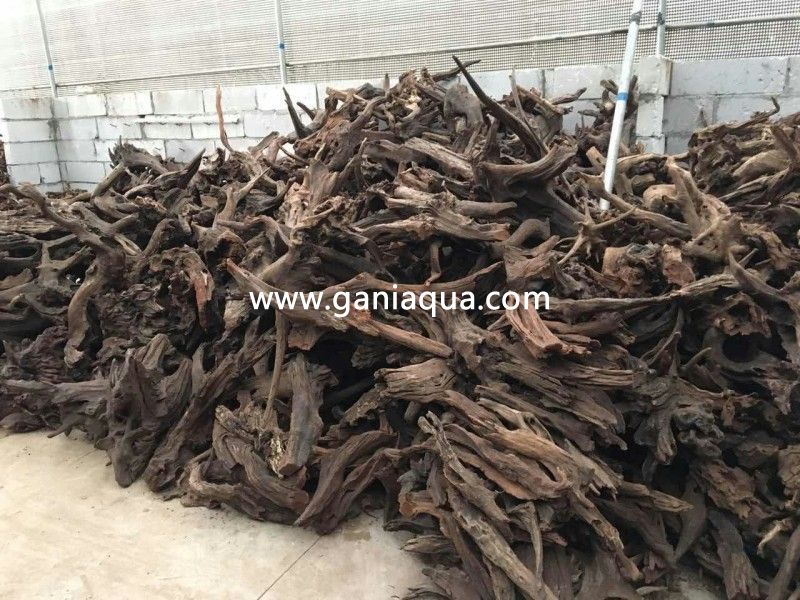
Driftwood in a fish tank is not merely an aquatic accessory; it is a lyrical embodiment of nature’s artistry, an echo of serene landscapes that whisper secrets of the earth to the entranced viewer. This organic element serves as a multifaceted focal point that enriches the aquatic environment while providing shelter and stimulation for the inhabitants of the tank. To the untrained eye, driftwood is simple, yet when integrated wisely, it metamorphoses into the cornerstone of a captivating underwater narrative.
Intriguing Aesthetic Appeal
The visual allure of driftwood is unparalleled. Each piece tells a story sculpted by time, water, and wind—an ancient artifact with its own character and history. The intricate textures and sinuous shapes mimic the flow of water, drawing the observer’s gaze and inviting exploration. The striations and curves reflect the gentle passage of time, anchoring the mind in contemplation. In this way, driftwood becomes a canvas upon which aquatic life actively paints its existence.
Optimal Structure for Aquatic Life
Beyond aesthetics, driftwood provides essential structure for fish and invertebrates. The natural crevices and hollows serve as refuge from predators, nurturing a sense of safety among the delicate residents of the tank. Many aquatic species exhibit a predisposition to anthropomorphic behavior—such as hiding and drawing away from larger fish—instincts honed through evolutionary processes. By incorporating driftwood, aquarists foster an environment that mirrors the complexities of a natural river bank or mangrove, where life thrives in harmony.
Enhancement of Biotic Characteristics
Driftwood imparts more than just shelter; it influences the biochemistry of the aquarium. The release of tannins from the wood into the water creates a soft, brownish tint reminiscent of tea-stained rivers. This phenomenon, known as “blackwater,” simulates the natural habitats cherished by many tropical fish, encouraging spawning behaviors and contributing to the overall health of the ecosystem. The presence of these tannins can also possess antimicrobial properties that assist in fostering a balanced biotope.
Types of Driftwood: A Rich Palette
The selection of driftwood is as diverse as the aquatic life it supports. Two popular types include:
- Malaysian Driftwood: Characterized by its gnarled appearance and robust structure, Malaysian driftwood provides an intricate landscape that beguiles both fish and viewers alike.
- Spider Wood: Resembling a network of twisting branches, this type of driftwood offers extensive surface area for beneficial bacteria and algae to colonize, essential for maintaining a healthy ecosystem.
This sumptuous variety enables aquarists to create bespoke environments, each embodying unique narratives inspired by nature’s whimsy.
Preparation and Placement
Incorporating driftwood into an aquarium demands thoughtful preparation. Immerse the driftwood in hot water to eliminate any lingering contaminants, ensuring that it won’t compromise the tank’s chemical balance. A brief soaking period softens its surfaces and prepares it for the aquatic environment, allowing it to sink rather than float inelegantly. After preparation, placement within the tank is paramount; the arrangement should provide both visual intrigue and accessibility for fish while considering their swimming behaviors.
Complementary Decorations: The Symphony of Elements
Driftwood is often not a solo performer but part of a greater ensemble. When combined with rocks, aquatic plants, and other decorations, driftwood transforms into a harmonious symphony of elements. The juxtaposition of the rugged wood against the delicate foliage of aquatic plants, like Anubias or Java Fern, creates a dynamic interplay of textures. This interplay acts not merely as a visual delight but also a sanctuary for microorganisms, creating a thriving microhabitat essential for the tank’s overall health.
Maintaining Driftwood in Your Aquarium
To sustain the beauty and functionality of driftwood, proper maintenance is essential. Regular cleaning prevents the buildup of algae, while periodic soaking removes dead materials that may accumulate. Monitoring water parameters to ensure that tannin levels remain balanced is equally important; an excess can lead to water quality issues. Regularly observing the interaction between the driftwood and its aquatic residents provides insights into adjustments needed for an optimal ecosystem.
The Symbolism of Driftwood
Driftwood embodies resilience in a realm dominated by fluidity—the remnants of a tree, carried by currents, surviving the ravages of nature to become a vital contributor to an entirely new ecosystem. It is a symbol of transformation, illustrating how life can adapt and flourish. In the aquarium, it serves as a tangible representation of nature’s cycles, heralding the beauty of imperfection and change.
In conclusion, the inclusion of driftwood in a fish tank transcends mere functionality; it is an artistic endeavor that encapsulates the beauty of nature. From enhancing the visual aesthetics to providing structural and biotic advantages, driftwood is a cornerstone in creating a harmonious aquatic environment. Selecting, preparing, and maintaining driftwood requires care and consideration, with each piece contributing to a carefully curated underwater masterpiece. Embrace the enchanting allure of driftwood; let it transform your aquarium into a sanctum where both nature and creativity intertwine beautifully.










Leave a Comment