When embarking on any drilling project, precision is paramount, particularly when it involves creating threads for screws, bolts, or other fasteners. One of the more common sizes encountered in the world of machining is the 1/4-20 tap, which refers to a 1/4 inch diameter screw with 20 threads per inch. To successfully create this threaded hole, one must ascertain the correct drill bit size to employ. In this guide, we will detail the nuances of choosing the right drill bit for a 1/4-20 tap, exploring various considerations and essential guidelines that aid in achieving optimal results.
Understanding Tap Drill Size
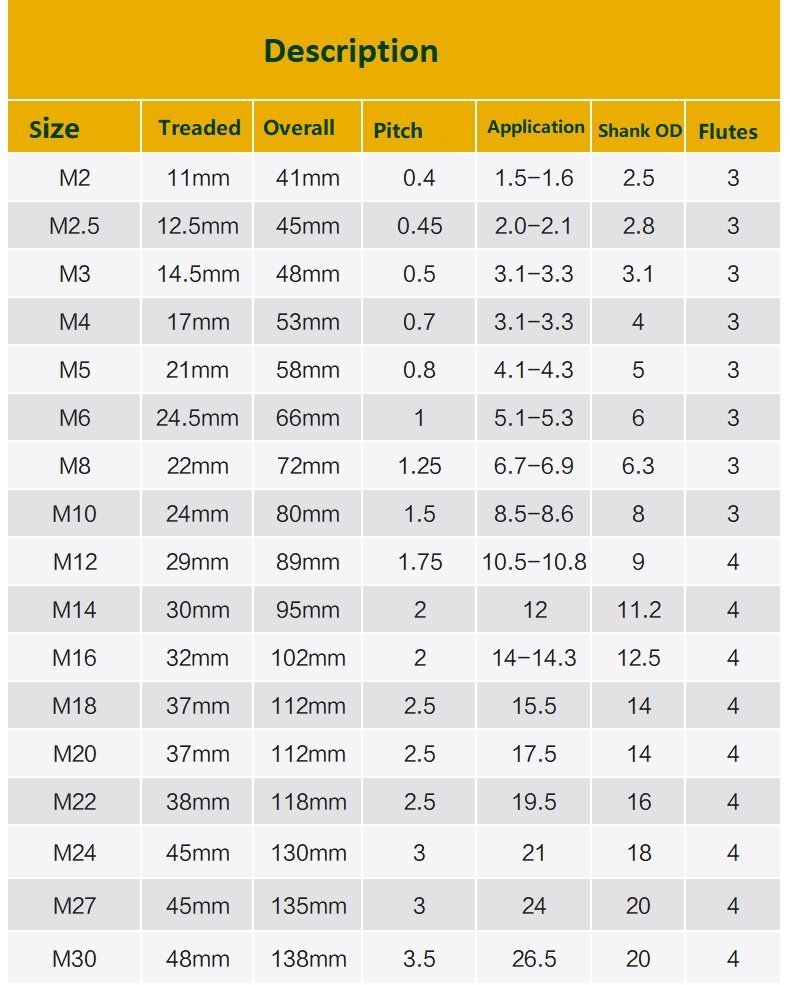
Before delving into specific drill bit sizes, it is crucial to comprehend the concept of tap drill size. The tap drill size is the diameter of the hole that needs to be drilled before tapping threads into it. For a 1/4-20 tap, the recommended drill bit size is typically 0.228 inches (or 15/64 inches). This diameter provides the ideal amount of material for the threads to engage, ensuring a secure fit without compromising the integrity of the material being tapped.
Importance of Material Considerations
The choice of drill bit size can also hinge on the type of material being drilled and tapped. Different materials possess varying properties that influence how the drill bit interacts with the surface. Here’s a brief overview of how material type impacts your drill bit size:
- Soft Materials: When working with softer materials such as plastic or aluminum, the standard 0.228-inch drill bit size usually suffices. However, one might opt for a slightly smaller bit to increase thread engagement, especially in softer substrates.
- Hard Materials: For harder substances such as steel or stainless steel, adhering strictly to the recommended drill size is more critical. The increased density of these materials demands a precise drill bit size to ensure that threads are properly formed without causing undue wear on either the tool or the substrate.
- Composite Materials: In cases where composite materials are used, special consideration should be given. These often require custom drill bits or altered tap drill sizes due to their unique structural properties.
Selecting the Appropriate Drill Bit Type
The variety of drill bit types available plays a vital role in the selection process. Each type is designed with specific features that render them suitable for particular applications. Understanding these differences can substantially enhance the drilling experience:
- Twist Drill Bits: These are the most common and versatile bits that can effortlessly drill standard holes. For a 1/4-20 tap, they generally provide satisfactory results in most materials.
- Brad Point Bits: Ideal for woodworking, these bits provide cleaner entry and exit holes, which can be advantageous for certain applications where precision is paramount.
- Step Bits: In situations where varying diameters are needed, step bits facilitate transitioning between specific sizes. These are particularly useful if multiple tap sizes are required.
- Cobalt and Carbide Bits: For tougher materials, these high-performance bits demonstrate enhanced durability and heat resistance, making them suitable for hard metals where standard drill bits may struggle.
Accounting for Tolerance and Clearances
When selecting a drill bit for a 1/4-20 tap, it’s also essential to consider tolerance and clearance. Tolerances dictate the acceptable deviation from the ideal measurement, and ensuring that your holes are drilled with adequate clearance can facilitate the insertion of fasteners while maintaining structural integrity. Depending on the application, you may need to calculate various clearance sizes to account for thermal expansion or other environmental factors.
Sequential Steps for Successful Tapping
Once you’ve selected the appropriate drill bit, the subsequent steps are crucial for optimal tapping performance:
- Drilling the Hole: Begin by drilling the hole using the chosen drill bit, applying steady pressure while ensuring the drill remains perpendicular to the material’s surface.
- Deburring: After achieving the desired hole depth, deburr the edges to eliminate any sharp fragments. This practice not only improves safety but also aids in smoother thread formation.
- Using Cutting Oil: When tapping, especially in hard materials, applying cutting oil can mitigate friction, prolonging tool life while producing cleaner threads.
- Executing the Tapping Process: Insert the tap perpendicular to the hole and begin turning, gradually applying force as threads are formed.
Concluding Thoughts
Choosing the correct drill bit size for a 1/4-20 tap is an amalgamation of art and science, necessitating an understanding of materials, drill bit specifications, and threading techniques. By considering the type of material, selecting the appropriate drill bit, and following meticulous drilling and tapping protocols, you can ensure a robust and effective fastening solution. Armed with this knowledge, you are better equipped for a successful project, paving the way for precision in your mechanical endeavors.










Leave a Comment