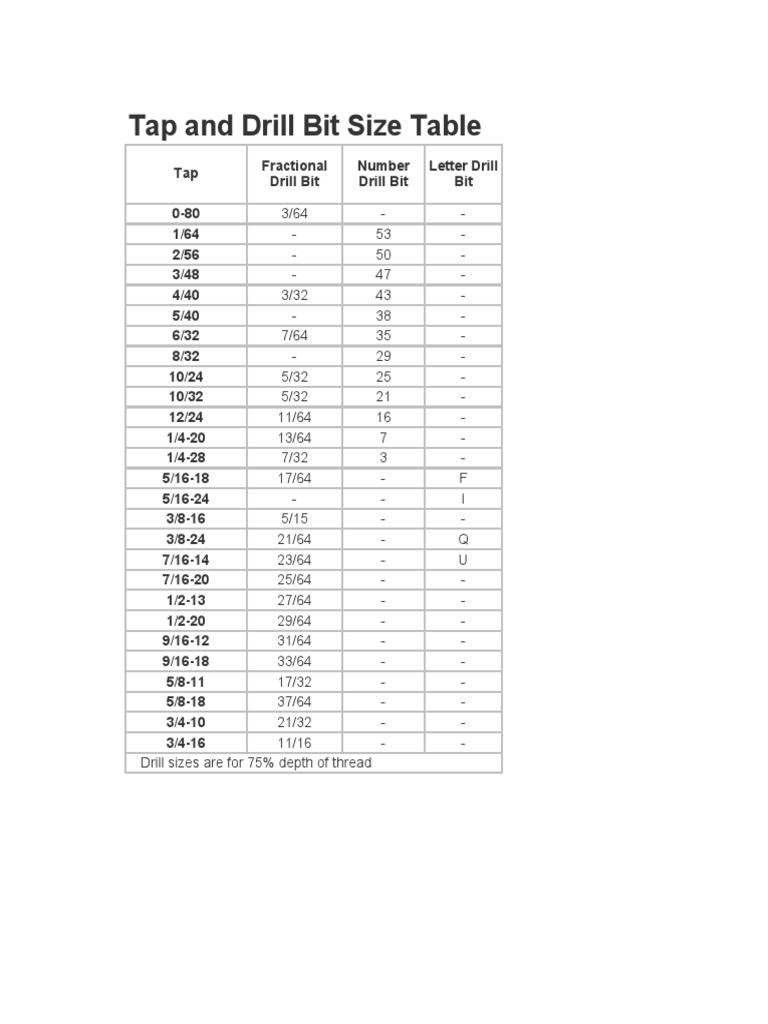
When it comes to precision engineering, the drill bit size for an 8-32 tap is akin to the key that unlocks the intricate doorways of machining excellence. In the realm of metalworking, this small detail carries substantial weight, much like the minutiae of a symphony, where each note contributes to a harmonious whole. This article will guide you through the nuances of selecting the appropriate drill bit size for an 8-32 tap, illuminating the path from initial preparation to the final steps of the tapping process.
Understanding the 8-32 Tap
The term “8-32” refers to a Unified National Thread (UNF) specification, where the “8” denotes the diameter of the screw in number gauge, and the “32” indicates the threads per inch. This particular designation is ubiquitous in various applications, especially in the assembly of machinery and electronic devices. The art of tapping, in essence, involves the creation of internal threads in a hole to accommodate a corresponding bolt or screw, ensuring a snug fit akin to a hand sliding effortlessly into a well-tailored glove.
The Importance of Drill Bit Size
Selecting the correct drill bit size is paramount. It is the architect of compatibility, shaping the very landscape where the tap will form its threads. If the hole diameter is either too large or too small, the integrity of the connection may be compromised. A too-large hole leads to slippage, while a too-small one can result in a botched tap, rendering the threads weak or nonexistent. Therefore, pinpointing the precise drill bit size for an 8-32 tap becomes essential, as it sets the stage for a successful and robust application.
Size Specifications
For the 8-32 tap, the recommended drill bit size is typically 0.164 inches, or #29 in the numbering system commonly used for drill bits. This size ensures that the tap will have sufficient material to create threads while still achieving the robust hold required for securing components together. The relationship between the drill bit and tap can be likened to dance partners, where coordination and precision are paramount for a successful performance.
Factors Influencing Drill Bit Selection
- Material Composition: The type of material being drilled significantly influences the choice of drill bit. For softer metals like aluminum, standard high-speed steel (HSS) drill bits may suffice. However, for harder alloys, cobalt or carbide bits may offer superior performance.
- Coating: Bits with specialized coatings, such as titanium nitride, can enhance durability and reduce friction, extending the lifespan of the drill bit.
- Drill Bit Type: Twisting, brad-point, and spade bits each serve unique purposes. While a standard twist bit is generally adequate for metalworking, brad-point bits can offer enhanced precision, reducing the likelihood of wandering during initial penetration.
Preparation Before Drilling
Before delving into the act of drilling, certain preparatory steps warrant attention. The material should be securely clamped to prevent movement while drilling, thereby preserving both safety and accuracy. Additionally, marking the drill point can serve to guide the drill, ensuring alignment akin to a compass steering through uncharted waters.
Drilling Technique
When engaging the drill, adopting the correct technique is crucial. Begin with a steady, moderate speed to allow the bit to penetrate. Excessive speed can generate heat and lead to premature wear of the bit, while a slow speed may not provide the necessary cutting actions. Utilizing cutting fluid can further enhance the drilling process, acting as a lubricant and cooling agent, much like oil on the gears of a finely-tuned machine.
Tapping Process
Once the hole has been drilled, it is time to transition to the tapping process. This is where transformation occurs; the empty cavity becomes a channel for securing bolts, embodying stability. Using a tap wrench, insert the 8-32 tap into the hole with care. Patience is key; applying consistent pressure while rotating the tap will create the threads that embed themselves into the material. It’s akin to a sculptor turning rough stone into a masterpiece; with every rotation, threads take form, weaving a tapestry of strength.
Post-Tapping Considerations
After the tap has threaded through the hole, cleaning any shavings or debris from the area is essential. A thorough cleanup not only enhances the appearance but also ensures that the threads are free from obstructions, promoting optimal engagement between the screw and the newly formed threads. Inspecting the threads for quality can prevent future complications, allowing for a seamless connection when installing the screw.
Final Thoughts
The drill bit size for an 8-32 tap may seem trivial in the grand schematic of engineering, yet it plays a pivotal role in the orchestration of mechanical assemblies. Understanding the interplay between drill bit and tap size equips craftspeople and engineers with the insight needed to achieve lasting results. Just as a finely tuned instrument contributes to the symphony of a concert, the right drill bit choice resonates throughout the entirety of a project, leading to successful outcomes. Embrace the intricacies, and let the harmonious convergence of tools and techniques guide you toward mastery in the art of threading.









Leave a Comment