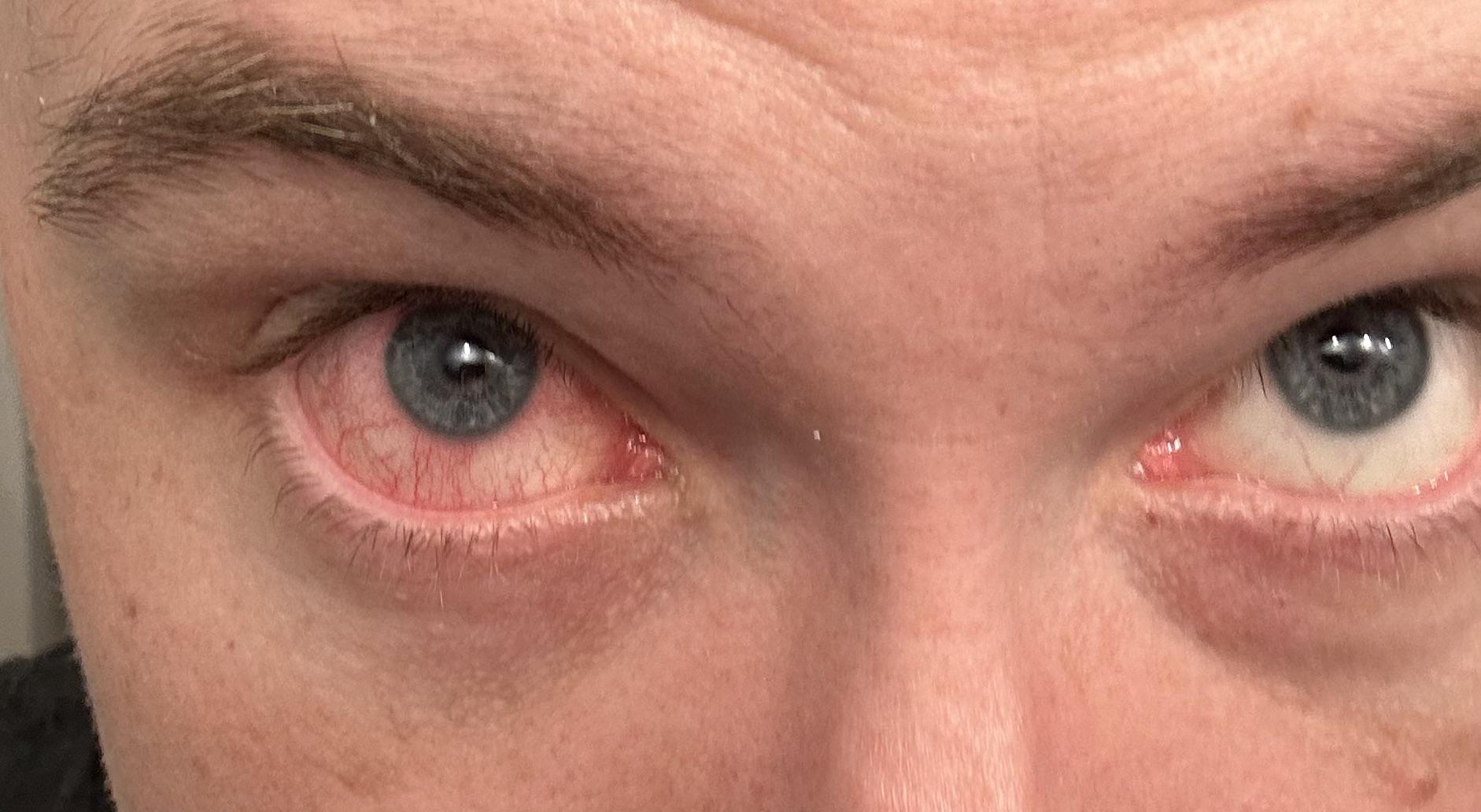
Many individuals who wear contact lenses have encountered the perplexing phenomenon of red, irritated eyes. This occurrence, which might seem commonplace to seasoned users, can provoke anxiety about the underlying causes and potential implications for ocular health. As we delve into this topic, we will explore the various factors contributing to this irritation, uncover the intricate biology of our eyes, and arm you with knowledge to safeguard your vision while enjoying the convenience of contact lenses.
1. Understanding Contact Lens-Related Red Eye
Contact lenses, while celebrated for their convenience and aesthetic advantages, can also result in some undesirable side effects. One of the most notable reactions is the reddening of the sclera, the white outer layer of the eyeball. This reddening is often attributed to several interrelated factors, including environmental irritants, lens materials, and individual physiological responses.
2. Environmental Factors
The environment plays a pivotal role in the health of our eyes. Elements such as dust, smoke, and pollen can exacerbate discomfort for contact lens wearers. These irritants may provoke an inflammatory response from the eyes, leading to redness. Additionally, air quality—especially exposure to dry or polluted air—can exacerbate the symptoms. The eye’s natural defense mechanisms become overwhelmed, resulting in visible redness, which is effectively an indication of irritation.
3. Lens Material and Hydration
The intricate composition of the lenses themselves can significantly impact ocular comfort. Many lenses are constructed from hydrophilic materials designed to allow oxygen permeability. However, not all lenses are created equal. Some may not provide adequate oxygen to the cornea, leading to a condition known as hypoxia. The cornea, in its struggle for breathable air, may exhibit redness as a response. Moreover, lenses that are not adequately hydrated can cause increased friction against the eye, resulting in irritation and the unmistakable redness.
4. Wear Duration and Eye Fatigue
Another contributing factor is the duration for which contact lenses are worn. Prolonged wear often leads to eye fatigue, thus compromising clarity and comfort. The exertion required for the eye to remain focused can prompt an inflammatory response, and redness becomes a visible manifestation of this fatigued state. To counteract this, it is essential to adopt appropriate wearing schedules and allow adequate time for eye recovery.
5. Allergic Reactions and Sensitivities
Individuals with pre-existing allergies or sensitivities may experience increased susceptibility to redness and irritation when using contact lenses. The proteins and lipids that accumulate on the lenses can serve as irritants to sensitive eyes, triggering an allergic reaction. Consequently, users may notice redness alongside other symptoms such as itching and tearing. Regular cleaning and the use of prescribed solutions can help mitigate these effects.
6. The Importance of Correct Fitting and Prescription
Next to environmental irritants, the importance of proper fitting and prescriptions cannot be overstated. Ill-fitting lenses can move improperly on the eye, leading to corneal abrasions or ulcers, both of which precipitate redness. This scenario emphasizes the necessity of regular eye examinations and consultations with qualified professionals to determine the optimal lens type and fit.
7. Contact Lens Hygiene
Hygiene plays an integral role in preventing discomfort. Neglecting to follow proper cleaning protocols or wearing lenses beyond prescribed durations can lead to an accumulation of debris that irritates the eyes. Thus, adhering to a routine that encompasses daily cleaning and storage in appropriate solutions is paramount in maintaining ocular health and preventing irritation.
8. Genre of Contact Lenses
The genre of contact lenses being utilized can also impact overall eye health. Daily disposables generally provide a more comfortable experience with a lower incidence of redness, while lenses intended for extended wear may carry increased risks. Considering your lifestyle and preferences will aid in selecting the best option for you, facilitating a healthier experience.
9. Alternatives and Remedies
When faced with the onset of redness while wearing contact lenses, there are several remedies and preventative strategies to consider. Rehydrating eye drops specifically designed for contact lens wearers can often provide immediate relief. Additionally, incorporating regular breaks from lens wear (the 20-20-20 rule, for example) can help to reduce fatigue. Exploring alternative lens options, such as specialized lenses for sensitivity or astigmatism, is another prudent approach.
10. Seeking Professional Guidance
Lastly, if redness prevails despite best efforts, it is imperative to seek guidance from an eye care professional. Only a qualified practitioner can provide tailored advice based on an individual’s specific circumstances, potentially screening for more serious underlying conditions that may otherwise go unnoticed.
In conclusion, while experiencing redness in the eyes while wearing contact lenses is a common concern, understanding its multifaceted causes empowers wearers to take proactive measures. From maintaining a clean regimen and proper fit to being attuned to environmental factors, enhancing your ocular health is achievable with diligent effort and informed choices. Remember, your eyes are not only the windows to your soul but also vital organs deserving of expert care and attention.








Leave a Comment