The world of skincare is akin to an elaborate garden, each product blooming with its own unique benefits and downsides. Within this vast landscape, fungal acne—technically known as malassezia folliculitis—can feel like an unwelcome weed, often thriving in the presence of certain ingredients typically found in moisturizers. Selecting a suitable moisturizer that is fungal acne-safe may feel like searching for a rare flower amid a brisk and bustling marketplace. Yet, this quest is not insurmountable. Here is a detailed guide to help you navigate the labyrinth of options, ensuring your skin flourishes rather than withers.
Understanding Fungal Acne
Before diving into the sea of moisturizers, it’s essential to understand what makes certain products inhospitable to fungal acne. Fungal acne arises not from traditional bacteria, but from an overgrowth of yeast that lives on everyone’s skin. When the skin’s barrier is compromised, or when specific oils and ingredients become a feast for this yeast, it can result in those pesky, stubborn breakouts. As you explore moisturizer options, ensure they contain no pore-clogging ingredients like esters or heavy oils.
Identifying Fungal Acne-Safe Ingredients
Choosing the right moisturizer involves more than just sifting through labels. Your vigilance in selecting beneficial ingredients can make all the difference, like a diligent gardener tending to delicate blooms. Here is a list of ingredients that are typically safe for fungal acne:
- Water-Based Formulations: Moisturizers that primarily contain water as their base are often less comedogenic and more suitable for acne-prone skin.
- Glycerin: A humectant that pulls moisture into the skin, ensuring hydration without feeding yeasts.
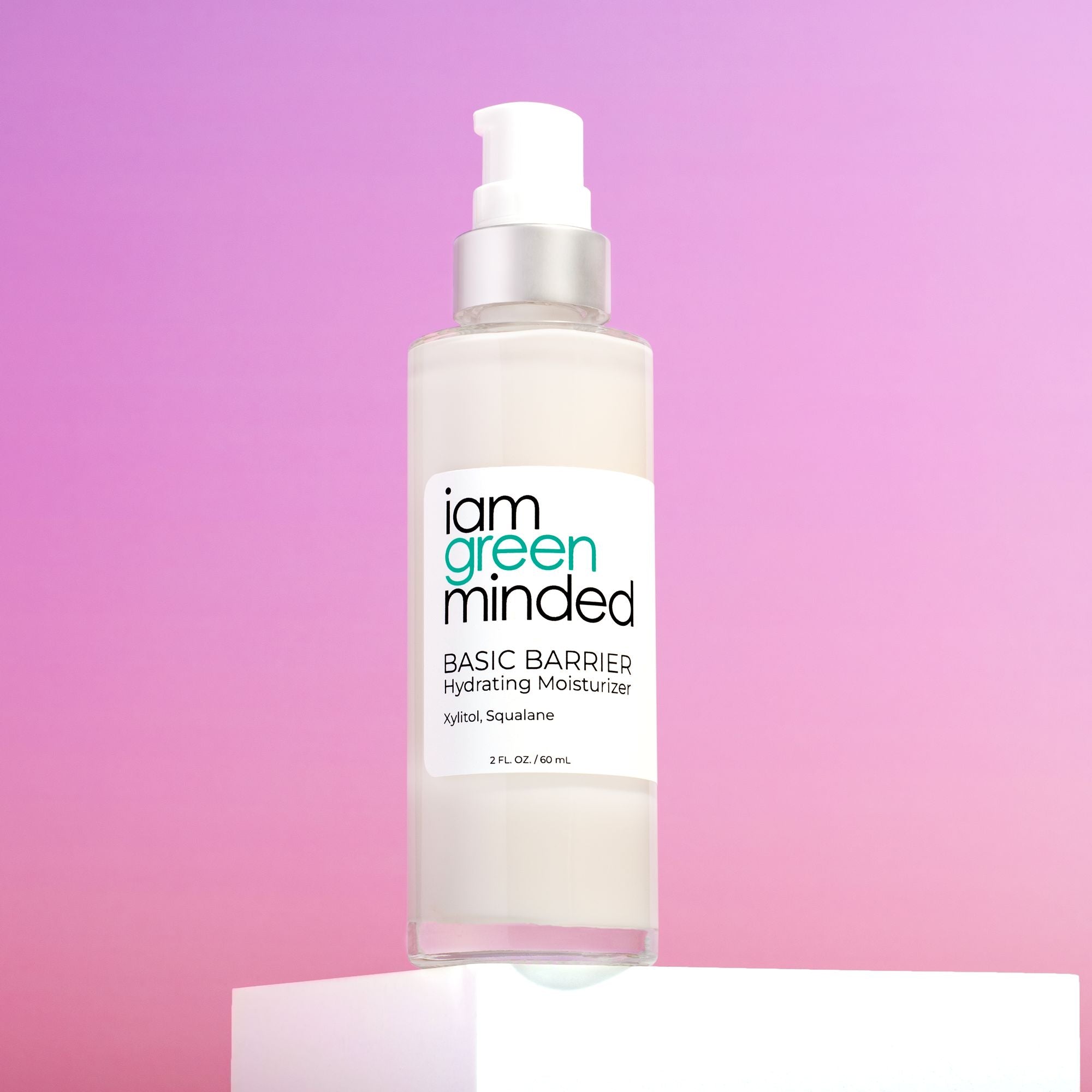
- Squalane: Derived from olives or sugarcane, it boasts a lightweight texture that hydrates without clogging pores.
- Hyaluronic Acid: Known for its incredible ability to retain moisture, this ingredient provides hydration while maintaining a stable environment for the skin.
- Aloe Vera: A soothing, anti-inflammatory agent that hydrates the skin and calms irritation.
Ingredients to Avoid
Just as certain weeds can choke out more delicate plants, certain ingredients can exacerbate fungal acne. Steer clear of:
- Oils like Coconut Oil and Olive Oil: While beneficial for many, these can nourish yeast and promote breakouts.
- Fatty Acids: Ingredients like stearic acid or lauric acid can trigger flare-ups due to their heavy consistency.
- Silicones: Although they create a smooth texture, they can trap moisture and lead to an unfortunate breeding ground for yeasts.
Textural Considerations
The texture of a moisturizer can be likened to the choice of soil in which you plant your seeds. A light, breathable formulation is paramount for individuals dealing with fungal acne. Gel-based moisturizers are often a preferred choice, providing hydration while allowing the skin to breathe, much like air circulating through a well-ventilated greenhouse. Creams may also work, provided they are non-comedogenic and free from harmful oils.
Recommendations for Fungal Acne-Safe Moisturizers
Here, like a curated selection of garden treasures, are some top contenders that align with fungal acne safety:
- Neutrogena Hydro Boost Water Gel: A water-light formula that features hyaluronic acid and leaves skin feeling plump and refreshed.
- La Roche-Posay Hydraphase Intense Light: This moisturizer is infused with thermal water and glycerin, providing long-lasting hydration without heaviness.
- CeraVe PM Facial Moisturizing Lotion: Rich in ceramides and niacinamide, it nourishes skin while supporting the skin barrier without nurturing fungal growth.
- Vichy Aqualia Thermal Rich Cream: A deeply hydrating cream that contains glycerin and Vichy Mineralizing Water, offering relief to thirsty skin.
Application Tips for Maximum Efficacy
To truly reap the rewards of your chosen moisturizer, consider these application tips, akin to perfecting the art of plant care:
- Cleanse First: Start with a gentle cleanser to remove impurities and prepare the skin for moisture absorption.
- Apply on Damp Skin: Like watering your plants, apply your moisturizer when your skin is slightly damp to enhance hydration.
- Don’t Overapply: While it’s tempting to slather on moisturizer, use just the right amount to avoid clogging pores.
Conclusion
Finding a fungal acne-safe moisturizer may seem daunting at first, resembling an intricate puzzle in a sprawling landscape. However, with the right knowledge and ingredient awareness, you can cultivate a skincare routine that fosters health and vitality. By embracing beneficial ingredients, avoiding those that could trigger breakouts, and selecting suitable formulations, your skin can thrive, a delicate garden flourishing under your care. As you embark on this journey, remember the importance of patience—just as a garden takes time to flourish, so too does healthy, radiant skin.









Leave a Comment