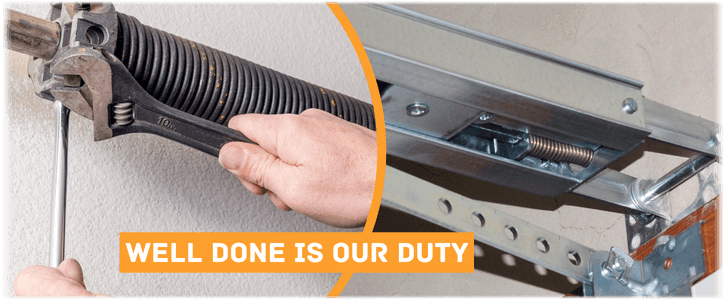
Garage door spring repair is a critical maintenance task that can often lead to potentially dangerous injuries if not performed correctly. Springs, whether they are torsion or extension types, operate under high tension and can cause severe harm if they snap or are improperly handled. Understanding the inherent risks, the mechanics of the springs, and the necessary precautions can help mitigate the likelihood of injuries while performing this repair. In this extensive guide, we will delve into various aspects surrounding garage door spring repair injuries, exploring causes, injuries incurred, safety measures, and professional help options.
Understanding the Garage Door Spring Mechanics
Before addressing injury prevention and repair, it is essential to grasp the mechanics behind garage door springs. Torsion springs, mounted above the door, provide torque that enables the door to lift, while extension springs, typically located along the sides of the door, stretch to help lift it. Each of these springs operates under immense tension, which makes them hazardous when assessing or repairing problematic garage doors. Familiarity with how these components work is crucial for anyone attempting repairs.
Common Causes of Garage Door Spring Repair Injuries
Injuries during garage door spring repairs can stem from numerous factors. Firstly, inattention to safety guidelines poses a significant risk. Not using the correct tools or failing to follow proper disassembly processes can lead to hazardous situations. Additionally, the age and condition of the springs play a role; old, corroded, or worn-out springs are more susceptible to snapping suddenly, causing significant injury.
Another frequent cause is the lack of adequate support during repairs. Garage doors can weigh over 150 pounds, and without the proper supports in place, the door can fall unexpectedly, risking injury to repair personnel. Finally, attempting repairs without sufficient knowledge or experience can lead to mishaps resulting in injuries.
Types of Injuries from Improper Spring Repair
The types of injuries sustained during garage door spring repair can range from minor to severe. Common injuries include:
- Soft Tissue Injuries: These include sprains, strains, and bruises resulting from sudden movements or improper lifting techniques.
- Crush Injuries: When a garage door falls unexpectedly, individuals can suffer crush injuries to their fingers, hands, or limbs.
- Eye Injuries: Springs under high tension can break abruptly, causing metal shards to fly and potentially injure the eyes if protective eyewear is not worn.
- Fractures: Severe injuries to the limbs can occur, particularly in cases of sudden spring failure or improper handling.
Preventive Measures for Garage Door Spring Repair
Preventing injuries during garage door repairs requires a proactive approach outfitted with safety measures and best practices. Here are some indispensable precautions:
- Adhere to Safety Guidelines: Always follow manufacturer instructions and safety protocols before commencing repairs. This fundamental step can avert many common injuries.
- Wear Protective Gear: Donning safety goggles, gloves, and steel-toed boots can provide a defense against flying debris and offer additional support while handling heavy door components.
- Employ Proper Tools: Utilizing the correct tools designed specifically for garage door spring repairs can enhance safety. Tools like winding bars or specific spring hooks aid in managing tension adequately.
- Work with a Partner: Having an extra set of hands can ensure that equipment is handled safely and provide immediate assistance in case of an emergency.
- Secure the Garage Door: Always ensure that the garage door is fully closed or secured before attempting repairs. Using clamps or locks can prevent unexpected movement.
When to Seek Professional Help
Despite preparation, there are instances when involving a professional is the wisest decision. If you lack the experience needed for spring repair, it is advisable to seek expert intervention. Moreover, if the damages are extensive or the springs are particularly old and compromised, the risk to personal safety increases significantly. Professionals possess the training, tools, and techniques to handle high-tension springs efficiently, thus minimizing the risk of injury.
Recognizing Emergency Situations
Emergencies arising from garage door spring failures should be taken earnestly. Understanding when to remove oneself from a repair project is crucial. Symptoms of an emergency include unusual sounds during operation, visible corrosion of springs, and an inability to lift or lower the door safely. If any of these warning signs are present, it is prudent to cease work and contact professionals for aid.
Conclusion
Throttle caution when approaching garage door spring repairs, as the risks are substantial. By understanding the mechanics of garage door springs, recognizing potential injuries, and adhering to safety guidelines, individuals can significantly reduce the likelihood of accidents. Should there be uncertain circumstances or a lack of experience, seeking out expert help remains the best option. Your safety should be the utmost priority, ensuring a secure garage door operation.










Leave a Comment