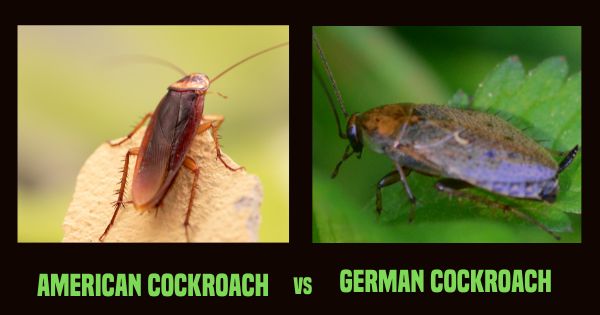
When it comes to the world of cockroaches, two species reign supreme: the German cockroach and the American cockroach. These insects are not merely pests; they are emblematic of broader themes in urban ecology and pest management. While both share a notoriety as household nuisances, they differ significantly in appearance, behavior, habitat preferences, and control methods. Let’s delve into the distinctive characteristics of these two cockroach species to better understand how they affect households and how to manage them effectively.
Physical Characteristics
The German cockroach (Blattella germanica) is petite, measuring about 1.1 to 1.6 inches in length. Its exoskeleton is a light brown color with two dark parallel stripes running from the head to the base of the wings. Unlike its American counterpart, it has shorter wings that are not fully functional for sustained flight.
In stark contrast, the American cockroach (Periplaneta americana) is considerably larger, reaching lengths of 1.5 to 3 inches. It boasts a reddish-brown hue and distinct yellowish borders around its thorax, making it recognizable. The American cockroach’s longer, well-developed wings allow it to fly short distances, which is not typical behavior for the German cockroach.
Behavior and Habits
Both cockroach species exhibit nocturnal activity, but their behaviors diverge on several fronts. German cockroaches tend to congregate in large numbers, preferring warm, humid environments such as kitchens and bathrooms. This is often due to their need for moisture, making them a common sight where food and water are present.
American cockroaches, however, are more solitary and can be found both indoors and outdoors. They thrive in a variety of environments, including sewers and basements, often retreating to dark, damp places. While they also seek food and water, they are not as reliant on human environments as German cockroaches.
Reproduction and Life Cycle
The reproductive capacity of each species contributes to its potential as a household pest. German cockroaches are highly prolific, with a female capable of producing up to 40 offspring in a single ootheca (egg case). The nymphs mature quickly, often reaching adulthood in as little as three months, which allows for rapid population growth.
Conversely, American cockroaches have a slower reproductive rate. A female can produce approximately 15-20 oothecae, each containing around 14-16 eggs. The nymphs take longer to grow, typically 6 to 12 months to reach adulthood. This slower life cycle, while allowing for robust growth, makes immediate infestation less likely compared to the numerical onslaught of German cockroaches.
Habitat Preferences
German cockroaches are primarily indoor dwellers, favoring areas close to food and water sources. They thrive in high-density living spaces, such as apartments and commercial kitchens. Their cryptic nature allows them to squeeze into tight fissures and crevices, thereby escaping detection.
The American cockroach, however, is more versatile in its habitat selection. It can be found in both urban and rural settings, preferring warm environments like sewers or plumbing systems. Their adaptability allows them to endure various ecological niches, making management more challenging.
Health Risks and Concerns
Both species are vectors of disease, posing health risks to humans and pets. German cockroaches are particularly concerning as they can exacerbate asthma and allergies due to the allergens they produce. Their droppings, skin sheds, and dead bodies can trigger allergic reactions, especially in sensitive individuals.
American cockroaches also pose health hazards. They can carry pathogens and bacteria such as Salmonella and E. coli, transmitted through their waste. Moreover, their presence can indicate other underlying issues, such as poor sanitation or moisture problems, making their eradication crucial for public health.
Management and Control
Effective pest control strategies vary significantly between these two species. For German cockroaches, an integrated pest management approach is necessary. This includes a meticulous cleaning regimen to eliminate food sources, the use of gel baits that specifically target their feeding habits, and regular monitoring to track any resurgence of the population.
When it comes to American cockroaches, controlling hydration and sealing entry points are essential. In addition to regular maintenance of plumbing to prevent leaks, chemical sprays and traps can be deployed in high-risk areas to reduce their population. Due to their outdoor adaptability, it may also require an effort to treat outdoors to decrease their chances of entering buildings.
Conclusion
While the German cockroach and the American cockroach share a common reputation that is largely undeserved, they present unique challenges and characteristics. Understanding these differences is crucial for effective management strategies to mitigate the discomfort and potential health risks they bring. Through careful observation and targeted control methods, one can reclaim living spaces from these unwelcome intruders, ensuring a healthier, pest-free environment.










Leave a Comment