When it comes to the realm of household pests, few creatures elicit as visceral a reaction as cockroaches. Among the cacophony of species, two dominate the conversation: the German cockroach and the American cockroach. Each presents its own unique challenges, habits, and characteristics, sparking curiosity as to the nuances that separate these two pervasive insects. This comparative exploration delves into their appearance, behaviors, habitats, life cycles, and methods of control, prompting a shift in perspective on that which many deem merely a nuisance. Let’s embark on an enlightening journey into the world of roaches.
1. Visual Distinctions
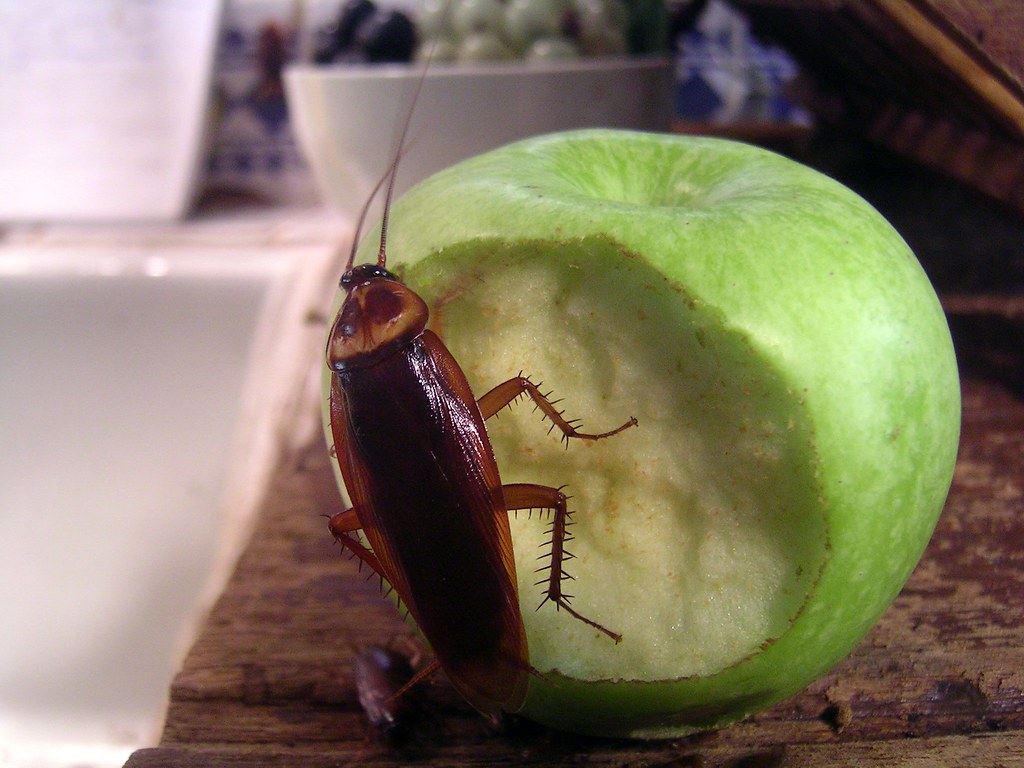
First impressions matter, and in the case of cockroaches, their physical attributes can offer a wealth of information. The German cockroach (Blattella germanica) is relatively diminutive, measuring around 1.1 to 1.6 centimeters in length. Sporting a light brown color and two distinctive dark stripes that run lengthwise down its thorax, it embodies a certain inconspicuousness. In comparison, the American cockroach (Periplaneta americana) is the goliath of the cockroach world, growing up to 4 centimeters long with a reddish-brown hue and a yellow band around the edges of its thorax. This stark difference in size and coloration not only assists in identification but also influences their behaviors and habitats.
2. Behavioral Patterns
While their appearances are distinct, their behaviors are equally fascinating. German cockroaches tend to inhabit residential structures where they thrive in warmth and humidity, often settling in kitchens and bathrooms. They are notorious for their social behavior, often found in large groups, working harmoniously as they forage for food at night. Their tendency to scavenge for crumbs and residues can reveal their reliance on human habitats.
On the other hand, American cockroaches are more versatile in their choice of environments. Often found in sewers, basements, and drains, they have a preference for damp settings but can be seen in various habitats, including homes. They exhibit more solitary behavior compared to their German counterparts, making them less likely to be seen in large numbers. This differentiation in behavior underscores the varying degrees of infestation and the types of control measures that may be necessary.
3. Habitats and Adaptability
The German cockroach has tightly woven its existence into urban and suburban landscapes. It flourishes in human dwellings, as they provide the warmth and crevices ideal for reproduction. German roaches breed rapidly, with a female capable of producing up to 40 offspring every few weeks. This reproductive prowess allows populations to burgeon quickly if left unchecked.
Conversely, the American cockroach is less dependent on human habitats, demonstrating a broader adaptability. While they can thrive in urban settings, they are often found in outdoor environments as well, favoring places like mulch, leaf litter, and other debris-rich areas. Their ability to endure a variety of conditions contributes to their resilience and prevalence across diverse environments.
4. Life Cycles Unraveled
The life cycle of these cockroaches is a tale of evolution and survival. The German cockroach develops from an egg into a nymph, eventually becoming an adult in about 100 days. This process occurs rapidly due to optimal living conditions, making it an efficient survivor. Their life cycle is characterized by multiple molts, with nymphs often exhibiting a striking resemblance to adults. This form of development adds an intricate layer to their population dynamics.
The American cockroach, however, operates on a slower timetable. Their life cycle can extend up to 24 months, evolving from eggs to nymphs and finally reaching adulthood. They emerge as nymphs that are considerably darker and grow gradually, paralleling their solitary tendencies. The slower reproductive cycle allows for less frequent infestations in comparison to the explosive growth of the German cockroach. Understanding these cycles provides invaluable insights into effective pest control strategies.
5. Control Measures and Management Strategies
Now that the foundations are laid regarding their differences, the pressing concern becomes how to manage these roaches effectively. For German cockroaches, integrated pest management (IPM) strategies have proven effective. This includes sanitation, sealing cracks and crevices, and utilizing baits or insecticides meticulously. Given their rapid reproduction and social structures, proactive measures stand as the first line of defense.
In the case of American cockroaches, adjusting environmental factors plays a crucial role. By minimizing moisture accumulation, sealing entry points, and employing traps, homeowners can significantly mitigate American cockroach populations. Their less invasive nature and slower reproductive rate may allow for targeted treatments, making control efforts less daunting.
6. The Broader Perspective
Understanding the distinctions between the German and American cockroaches transcends mere pest identification. It invites a deeper exploration of urban ecosystems and our coexistence with nature. Both species, while often seen as mere nuisances, serve as pointers for human efficiency. These roaches, in their relentless pursuit of survival, can inspire us to think critically about our spaces, cleanliness, and environmental interactions. Taking a moment to appreciate the intricate dynamics of these creatures reveals the profound complexity of the natural world.
In conclusion, while both the German and American cockroaches share the same overarching classification of pests, the nuances in their physical characteristics, behaviors, habitats, life cycles, and management strategies highlight significant differences. The next time the name ‘cockroach’ is uttered, consider the depths of information and intrigue that separate these intriguing insects. Their existence prompts not only contemplation on pest control but also an acknowledgment of the delicate balance between human environments and the resilient wildlife that shares them.








Leave a Comment