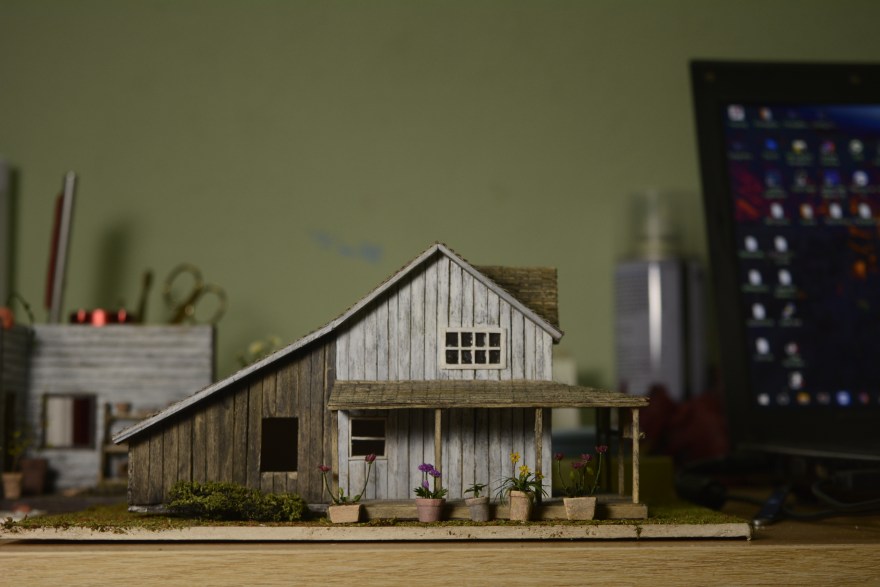
Creating a miniature model house is akin to sculpting a dream from wood; each piece of timber imbues character and narrative into the structure. Just as ancient builders revered the materials bestowed by nature, contemporary creators must also consider the qualities that each type of wood brings to their artistic ventures. With this premise in mind, let’s delve into the rich tapestry of wood options for crafting a mini model house, exploring durability, aesthetic allure, ease of manipulation, and the emotional resonance each choice may evoke.
1. Pine: The Highly Versatile Canvas
Pine stands as a favored choice among model builders, largely due to its versatility and availability. Its pale color, marked by myriad knots, evokes a rustic charm. This wood is not just a blank canvas; it bends to the will of your artistry effortlessly. Pine takes well to both stain and paint, allowing the builder to embellish the model in myriad finishes.
Moreover, it’s lightweight yet sturdy – a perfect combination for intricate designs where structural integrity is paramount. Pine’s milled edges, reminiscent of a well-manicured hedge, open new realms of architectural possibility. For novice builders, its forgiving nature makes it an ideal choice, begging to be carved, glued, and assembled into a dashing miniature domicile.
2. Birch: The Elegance of Fine Grain
For those who desire a smaller-scale structure that echoes sophistication, birch wood is a splendid option. Characterized by its fine, even grain and pale hue, it provides a luxurious touch that elevates any model. Birch is reminiscent of intricate lacework, offering an aesthetic quality that thrives on the interplay of light and shadow.
This wood is particularly favored for finer detail work. Its smooth surface is a testament to refinement, perfect for the delicate trims and adornments that can define a mini house’s personality. However, beware: birch, while beautiful, is less forgiving than pine. It requires attentiveness and skill to manipulate, making it a choice for those with a keen, artistic touch.
3. Cedar: Aromatic Defense Against the Elements
Venturing into the realm of aromatic woods, cedar offers a unique profile that holds its own in the model-making arena. Infused with natural oils that lend a distinct scent, cedar is often considered a romantic element of any model. Just as a garden whispers delight, cedar’s fragrance can transport the creator to tranquil summer evenings.
This wood’s natural resistance to decay and insects, akin to armor forged by nature, enables it to withstand the test of time. When building a model house destined for display, cedar not only attracts attention with its reddish-brown hue, but it also ensures longevity. The builder can craft a structure that tells a story, one that resists the ravages of time, while still capturing the transitory beauty of wooden architecture.
4. Balsa: The Featherweight Champion
When speed and simplicity are required, balsa wood emerges as the featherweight champion of the model house. Its incredibly lightweight nature makes it ideal for projects that necessitate quick assembly and manipulation. Imagine sculpting a house from clouds; balsa allows for such freedom of imagination, enabling intricate designs that are easy to handle.
However, this delicate timber requires a gentle touch and thoughtful consideration; its lightweight frame might lack the enduring toughness of denser woods. Yet, solutions abound; layering and careful construction can yield remarkable results. Balsa serves as a reminder that even the softest materials can yield beautiful, lasting creations when treated with respect.
5. Plywood: The Ingenious Fusion
Often overlooked in favor of solid woods, plywood deserves recognition for its remarkable strength and versatility. Composed of thin layers, or veneers, that are bonded together, plywood offers a stable and resilient option for model makers. It is akin to a well-structured team, each layer contributing to the durability and functionality of the whole.
This tantalizing combination of strength and adaptability allows builders to create complex designs while minimizing the risks of warping and splitting. Plywood is a chameleon, effortlessly fitting into various design narratives, whether crafting contemporary styles or traditional homes. For those who appreciate the beauty of a grain within a grain, plywood’s layers reveal secrets that spring to life when treated with skill and creativity.
6. Oak: The Majestic Pillar
Last but not least, oak wood reigns as the majestic pillar of strength and character in the realm of mini model houses. This robust wood, marked by its pronounced grains and rich tones, commands respect and admiration. Its density and durability make it ideal for models intended to be handled frequently and remain standing strong against the test of time.
Crafting a miniature house from oak is akin to building a legacy. There’s an undeniable gravitas to this wood that embodies tradition and permanence. Its adaptability allows it to be manipulated into both intricate details and substantial forms, creating a harmonious balance of artistry and strength. A model built from oak will intrigue and invite stories that echo through generations.
In conclusion, the journey of selecting the right wood for a mini model house is akin to wandering through a vast forest of possibilities, each type offering unique attributes and stories. From the approachable pine to the majestic oak, each wood type carries the potential to transform a simple idea into a beautifully crafted representation of dreams. As you embark on your modeling adventure, remember that the choice of wood is not merely a functional decision; it is an opportunity to infuse your creation with life, character, and history. Embrace your choice and let each piece of wood whisper tales of artisanship, creativity, and inspiration into your miniature abode.











Leave a Comment