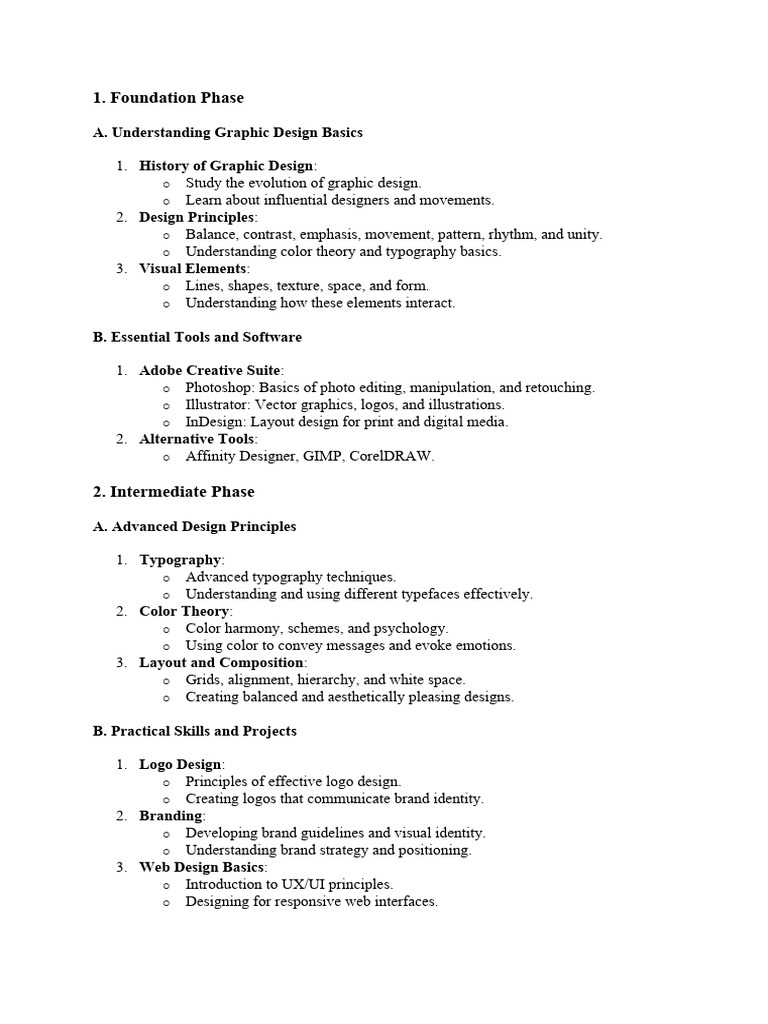
In an increasingly visual world, the significance of graphic design cannot be understated. It’s the alchemy of shapes, colors, and typography that breathes life into ideas, transcending mere communication to foster an emotional connection with its audience. As the demand for compelling visual narratives proliferates across industries, understanding the graphic design pathway becomes crucial. This article delves into the multifaceted meaning behind this pathway and uncovers the deeper reasons behind humanity’s fascination with this dynamic art form.
The Evolution of Graphic Design
Graphic design is not a new phenomenon; it has deep historical roots that can be traced back to ancient civilizations where symbols and icons served both decorative and communicative purposes. The introduction of the printing press during the Renaissance marked a pivotal moment, providing artists and designers with novel avenues to convey ideas through printed materials such as books, flyers, and posters. As technology advanced through the centuries, so too did the scope of graphic design, evolving from handcrafted illustrations to digital creations.
The Essence of the Graphic Design Pathway
The graphic design pathway encompasses a rich tapestry of experiences, skill sets, and methodologies. It’s a continuum that leads budding designers from rudimentary theories of visual aesthetics to complex applications in multimedia environments. This pathway is characterized by a series of essential stages:
- Foundational Understanding: At the onset, aspiring designers must grasp the fundamental principles of design – balance, contrast, alignment, repetition, and space. This foundational knowledge acts as the bedrock upon which more intricate designs are constructed.
- Skill Development: Proficiency in various software tools is imperative. Familiarity with industry-standard programs such as Adobe Creative Suite allows designers to transform theoretical concepts into tangible designs. Mastery of these tools typically involves countless hours of practice and experimentation.
- Creative Exploration: Pushing boundaries is intrinsic to the design process. Designers often experiment with mixed media, new technologies, and avant-garde styles to forge unique visual identities. This exploratory phase fosters innovation and hones a designer’s individual style.
- Networking and Collaboration: Building connections within the industry is vital. Collaboration with other creatives and participating in design communities can enhance skills and expose designers to diverse perspectives, enriching their work.
- Portfolio Development: A well-crafted portfolio serves as a designer’s calling card. It should showcase versatility, skill, and creativity, reflecting the designer’s evolution along their unique pathway. An impressive portfolio is vital for securing jobs and freelance opportunities.
- Professional Practice: As designers step into professional roles, they must navigate client relationships, project management, and deadlines. The ability to interpret clients’ visions and communicate effectively becomes necessary to create successful design solutions.
The Fascination with Graphic Design
The allure of graphic design extends beyond its visual impact; it taps into deeper psychological and sociocultural narratives. Here are some reasons why graphic design captivates so many:
- Visual Communication: Human beings are inherently visual creatures. The human brain processes images 60,000 times faster than text, rendering graphics a superior form of communication. This rapid processing resonates with our innate desire for instantaneous understanding, making graphic design an essential tool for conveying complex ideas succinctly.
- Cultural Reflection: Graphic design often serves as a mirror to society, reflecting cultural trends, values, and movements. Iconic designs encapsulate the zeitgeist, from political posters to fashion advertisements, creating a deep connection with audiences that transcends generations.
- Empowerment of Expression: For many, graphic design is an outlet for personal expression. It empowers individuals to convey their thoughts, emotions, and stories through visual mediums. This aspect of design is especially significant in a world that often seeks to mute unique voices.
- Problem Solving: At its core, graphic design is about solving problems and creating effective solutions. This analytical dimension is appealing, as it requires a fine balance between creativity and strategy. The challenge of addressing client needs while maintaining artistic integrity can be exhilarating.
- Continual Evolution: The field of graphic design is ever-evolving, driven by technological advancements and shifting cultural landscapes. Designers are compelled to stay abreast of new techniques, design trends, and software updates, which fosters a culture of lifelong learning and adaptability.
The Future of Graphic Design
As technology advances, the future of graphic design promises even more innovation. From augmented reality (AR) to artificial intelligence (AI), new tools and trends will continue to reshape the industry. Moreover, as businesses become more cognizant of design’s impact on consumer behavior, the role of graphic designers will undoubtedly expand. Designers will increasingly find themselves at the intersection of creativity and technology, wielding their unique skills to shape the future visually.
Conclusion
The graphic design pathway is more than an educational journey; it’s a profound exploration of human expression, communication, and cultural identity. Through a synthesis of historical context and contemporary innovation, graphic design reveals itself as a fascinating discipline that continuously evolves. Understanding its multifaceted nature ultimately allows one to appreciate the vast canvas upon which dreams, ideas, and stories are artfully painted. In an age where visuals dominate, engaging with graphic design is not merely an interest; it is an imperative for anyone wishing to navigate the complexities of modern communication.









Leave a Comment