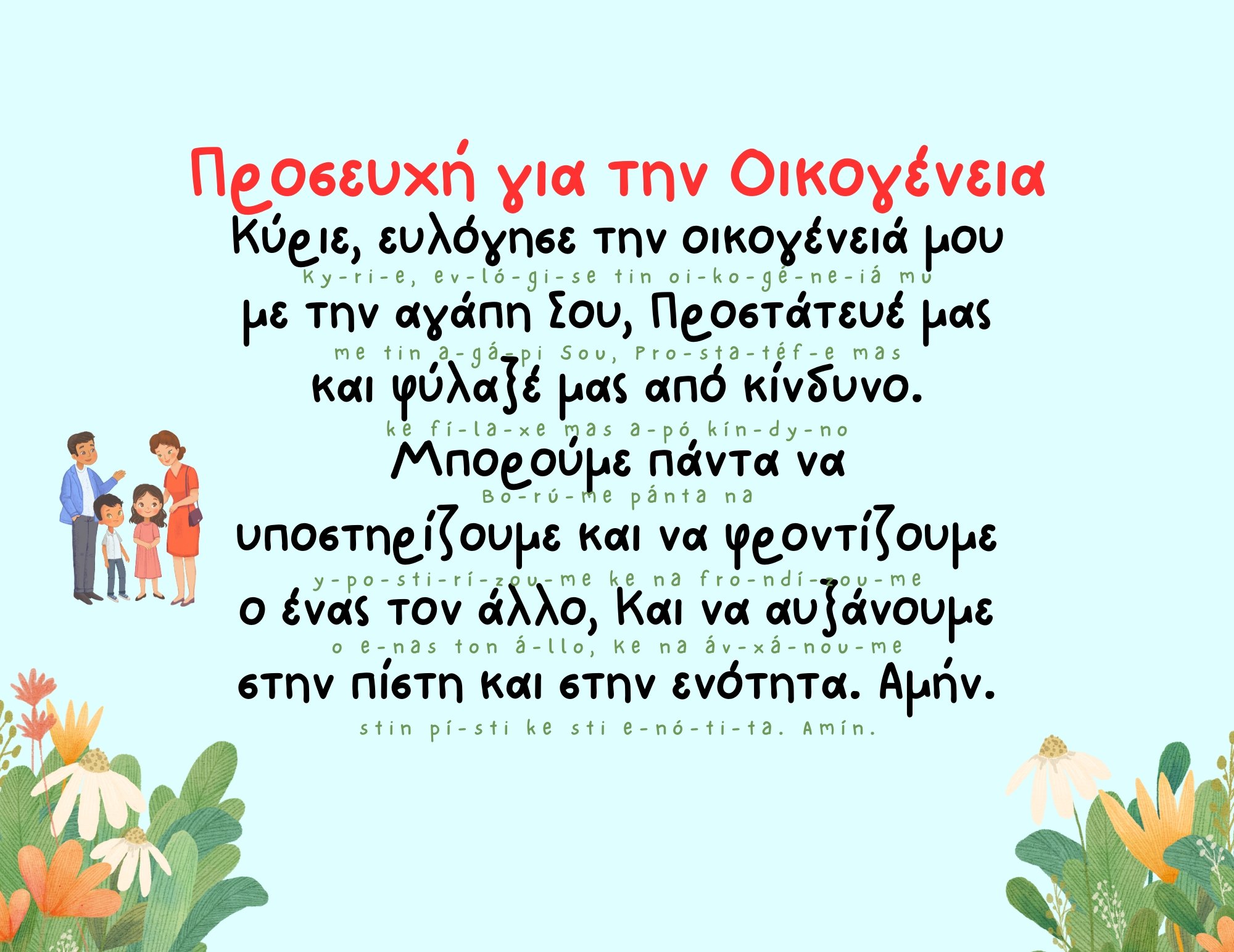
In the tapestry of spiritual life, the Greek Orthodox Church offers a rich palette of prayers and rites, often accompanied by profound theological implications. But what happens when the human mind wanders into the realms of involuntary blasphemous thoughts? One might ponder, can one harbor such thoughts and still maintain a genuine connection with the divine? Or do these fleeting whispers of doubt sever our communion with the Holy? This duality presents an intriguing challenge for many believers navigating the intricate labyrinth of faith.
To appreciate the delicacy of this subject, it is essential to explore the Orthodox understanding of the mind’s complexities. The Greek Orthodox tradition recognizes the inherent struggle of human nature against spiritual virtues. According to this viewpoint, involuntary thoughts—be they blasphemous or otherwise—are not indicative of one’s faith or standing with God. Instead, they are seen as mere disturbances in the inner sanctum of one’s thoughts, which can be met with patience and understanding.
Understanding the Greek Orthodox perspective on prayer is fundamental in addressing involuntary blasphemous thoughts. Prayer, in this tradition, is not simply a practice of asking for grace or favor; it is a profound dialogue with the Divine. It encompasses praise, confession, supplication, and thanksgiving. Frequent prayers, such as the “Our Father” or the “Jesus Prayer” (“Lord Jesus Christ, Son of God, have mercy on me, a sinner”), serve as anchors, helping believers to center their thoughts and calm their spirits. However, these prayers cannot shield one from the onslaught of intrusive thoughts entering one’s consciousness.
The struggle with involuntary thoughts can often feel isolating. Many may wonder if they are alone in this spiritual fight. In truth, almost every faithful adherent has encountered distracting notions that run contrary to their beliefs. The accumulation of such thoughts can be disheartening, leading to feelings of inadequacy and shame. Thus, how should one react to these unwelcome intrusions? Can the principles of Greek Orthodoxy guide an individual toward acceptance and peace?
Firstly, it is vital to acknowledge the origins of these involuntary thoughts. They can arise from various stimuli—stress, anxiety, emotional turbulence, or even the everyday interactions with an increasingly secular society. Recognizing that these thoughts are manifestations of a troubled mind, rather than reflections of one’s character, is paramount. The Greek Orthodox tradition encourages believers to adopt a compassionate perspective towards themselves. This self-compassion is essential for dispelling the guilt that often accompanies such thoughts.
Next, consider the practice of mindfulness within prayer. In a world filled with distractions, engaging in prayer with full awareness is more crucial than ever. Greek Orthodox teachings advocate for maintaining focus during prayer, and yet, they also offer guidance for when one’s mind strays. If a blasphemous thought intrudes while praying, a believer might gently redirect their focus back to the act of prayer itself. This practice not only fortifies one’s relationship with God but also promotes mental discipline over time.
A potent strategy for coping with involuntary thoughts is embracing the sacrament of confession. The sacrament serves as a therapeutic outlet, allowing individuals to articulate their struggles before a priest, who acts as a spiritual guide. In doing so, believers can receive insights into their spiritual battles, fostering an environment of healing and reassurance. The Orthodox understanding of sin emphasizes that it is not the thoughts themselves but the actions derived from them that dictate one’s spiritual state. By confessing these thoughts, individuals free themselves from the burdens of secrecy and shame.
Building a robust support network within the church community is another invaluable component in confronting involuntary blasphemous thoughts. Engaging with fellow parishioners can provide encouragement, accountability, and a shared understanding of the common struggles encountered on the spiritual journey. Group prayers, discussions about faith, and collective worship foster a sense of belonging, allowing individuals to feel valid in their experiences.
Moreover, integrating the study of Scripture can serve as a formidable counterbalance against involuntary thoughts. Delving into Holy texts not only enriches one’s understanding of God’s character and His unconditional love but also serves as a fortification against doubts that may arise. Verses that emphasize grace, forgiveness, and steadfastness echo throughout the New Testament, offering solace in moments of spiritual turbulence.
An added layer to this journey is the concept of humility. In the Greek Orthodox tradition, acknowledging one’s imperfections is key to spiritual growth. By embracing humility, believers can create space for grace to permeate their lives. This acknowledgment fosters a sense of understanding that everyone wrestles with various temptations and thoughts—inviting an atmosphere of acceptance rather than condemnation.
Ultimately, the challenge posed by involuntary blasphemous thoughts is multifaceted, requiring an intricate blend of strategies steeped in Greek Orthodox wisdom. Prayer, mindfulness, community engagement, confession, and scriptural study offer a holistic approach to mitigating these unwelcome intrusions. Embracing these practices can transform moments of turmoil into opportunities for spiritual fortification. Thus, even amidst the shadows of errant thoughts, the light of faith can shine ever more brightly, illuminating a path to healing and deepening one’s relationship with God.
In embarking on this spiritual odyssey, one is reminded that every thought offers the chance to reaffirm faith. The journey is not about achieving perfection but about cultivating a vibrant, authentic relationship with the Divine amidst life’s complexities. Through understanding and acceptance, even the most seemingly blasphemous thoughts can corral individuals back into the warm embrace of faith, reinforcing their devotion in the pursuit of spiritual truth.











Leave a Comment