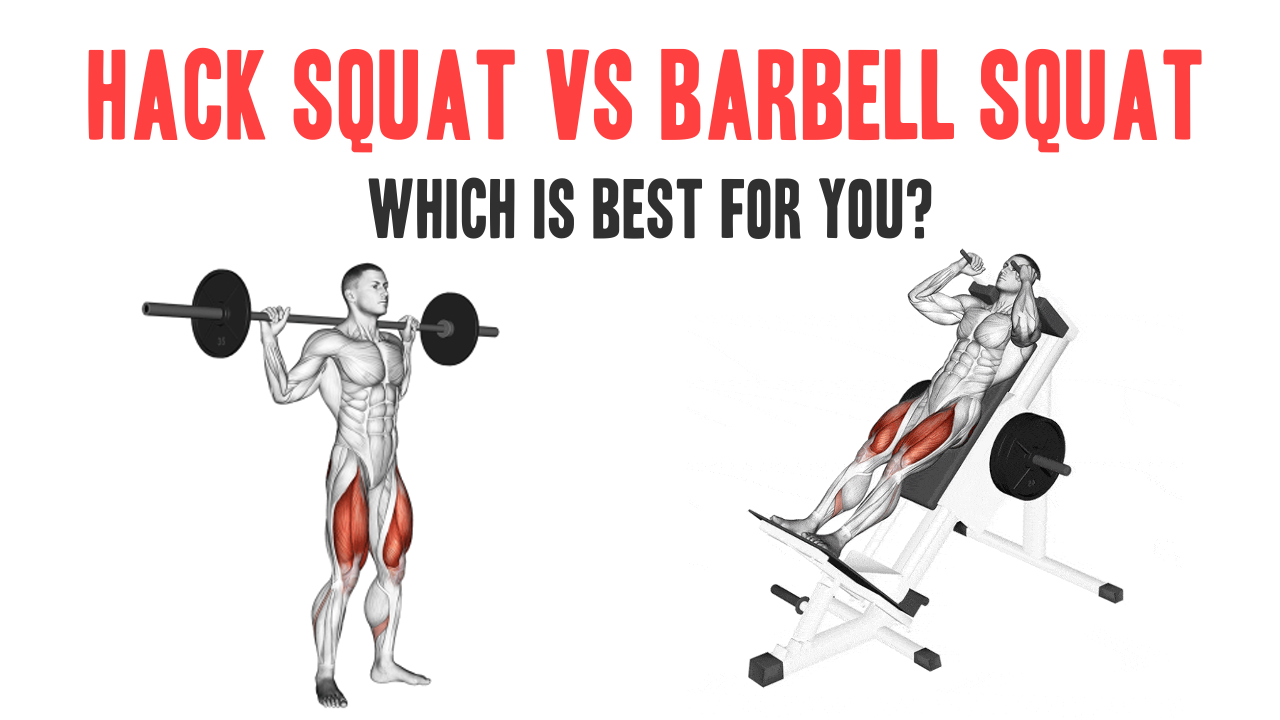
The debate between the hack squat and the barbell squat is perennial among fitness aficionados, personal trainers, and bodybuilding enthusiasts. Each exercise boasts its own set of advantages and methodological nuances. In this exploration, we will delve into a comprehensive comparison of these two formidable movements, shedding light on their mechanics, benefits, and ideal applications. Whether you are a novice seeking foundational strength or a seasoned lifter aiming for hypertrophy, understanding the distinctions between the hack squat and barbell squat is instrumental in curating an effective workout regimen.
1. Understanding the Movements
The hack squat is a machine-based exercise that isolates the quadriceps while minimizing the engagement of stabilizer muscles. It typically involves a platform for your feet, which allows for a controlled descent as your back rests against a padded support. Conversely, the barbell squat, a compound movement, incorporates multiple muscle groups, including glutes, hamstrings, and core, necessitating a robust engagement of stabilizers throughout the movement. This fundamental difference in setup highlights the distinct approaches each exercise employs in targeting the lower body.
2. Muscle Targeting
At the core of any effective workout is the question of which muscles are activated. The hack squat primarily targets the quadriceps, making it an excellent choice for those looking to develop anterior leg musculature. Additionally, it activates the calf muscles and engages the glutes as secondary movers, but the focus remains on the front of the thigh.
In contrast, the barbell squat presents a more inclusive exercise that activates a wider array of muscle groups. While it significantly targets the quadriceps, it also calls upon the hamstrings, gluteus maximus, and lower back for stabilization and movement. This expansive engagement provides a holistic approach to leg strengthening, promoting balanced development across the posterior and anterior chains.
3. Form and Technique
Form is paramount in both exercises, yet it manifests differently due to their inherent mechanics. The hack squat’s machine-guided structure can be advantageous for those who may struggle with balance or are prone to injury, as it provides a safer environment to perform the movement without the risk of losing control under heavy loads. Additionally, the angle of the back support and foot placement allows lifters to customize their stance to alleviate discomfort or enhance muscle activation.
In contrast, barbell squats necessitate a greater emphasis on proper technique and biomechanics. Key factors such as hip hinge, knee tracking, and spinal alignment are crucial. Lifters must ensure their knees do not extend beyond their toes while maintaining an upright torso to avoid undue stress on the lower back. This demand for technical precision might intimidate beginners, but mastering the barbell squat can yield significant dividends in functional fitness and muscular development.
4. Safety Considerations
When assessing safety, both exercises come with their own set of considerations. The hack squat’s design reduces the risk of injury due to its guided path, thereby offering a safer alternative for those with pre-existing knee or back issues. However, over-reliance on the machine can lead to muscular imbalances if not integrated with free-weight exercises.
Barbell squats, while highly beneficial, possess greater intrinsic risks associated with improper form or excessive loading. To mitigate injury risk, it is advisable for beginners to initially practice with body weight or lighter loads, gradually progressing as confidence and form stabilize. Incorporating proper warm-up and mobility work can also enhance performance and reduce the likelihood of injuries.
5. Equipment and Accessibility
Equipment accessibility plays a critical role in determining which exercise to incorporate into training programs. Hack squats require specific machines, which may not be available in all gyms or fitness centers. While many facilities offer hack squat machines, variability in design and the individual fit can influence effectiveness.
Barbell squats, however, are widely available due to the ubiquity of squat racks and barbells in most strength-training environments. This accessibility allows for versatility in programming, as one can incorporate different loading strategies, such as front squats and overhead squats, using the same equipment. Thus, lifestyle practitioners may find barbell squats to be a more versatile option.
6. Concluding Thoughts
Choosing between hack squats and barbell squats ultimately hinges on personal goals, physical conditioning, and equipment availability. The hack squat shines as a specialized tool for quad isolation and is well-suited for rehabilitation or targeted hypertrophy. On the other hand, the barbell squat remains a cornerstone of strength training due to its comprehensive engagement of multiple muscle groups and its profound impact on functional movements.
Incorporating both exercises into a well-rounded training program can yield the most favorable outcomes for strength, hypertrophy, and functional performance. As each exercise brings its own unique sex appeal to lower body training, understanding their distinctiveness allows for more informed choices in the quest for optimal fitness.











Leave a Comment