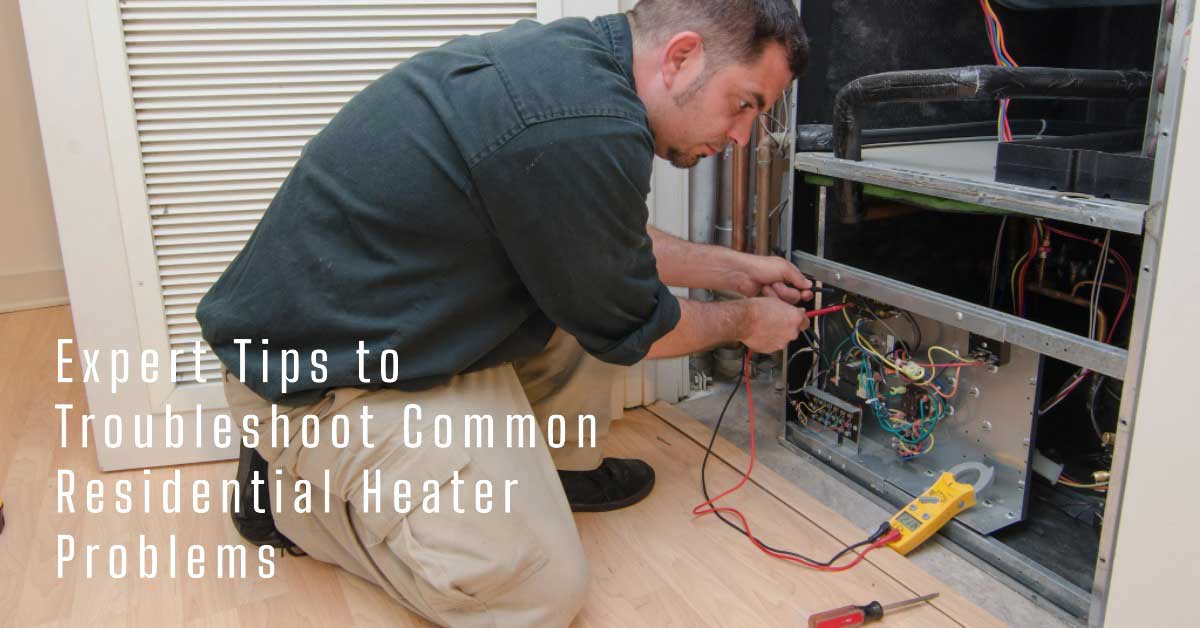
As the chill of winter envelops your home, the warmth of a functioning heater becomes not only a comfort but a necessity. However, questioning the reliability of your heating system can stir anxiety. What if it fails just when the air turns frigid? Understanding the intricacies of your heater and knowing how to troubleshoot it can transform this anxiety into a sense of control. Dive deeper into the challenges, remedies, and proactive measures regarding a heater that’s refusing to cooperate.
1. Identifying the Symptoms of Heating Malfunction
Before delving into cumbersome repairs, it’s paramount to pinpoint the specific nature of the problem. Here are a few telltale signs that hint at potential failures:
- No Heat: The most blatant indicator. If your heater operates but emits only cool air, it signals a major issue that merits immediate attention.
- Inconsistent Temperatures: Unequal heat distribution leaves some rooms toasty while others remain cold. This inconsistency often highlights problems within the ductwork or the heater itself.
- Strange Noises: Unfamiliar sounds—be it grinding, whistling, or banging—can indicate loose components or airflow obstructions.
- Increased Energy Bills: A sudden spike in your utility bills may suggest inefficiency, often a sign of underlying issues that demand your focus.
2. Initial Troubleshooting Steps
Once you’ve recognized the symptoms, it’s time to engage in some basic troubleshooting:
- Thermostat Settings: Ensure that the thermostat is set to the desired temperature and is in good working order. A malfunctioning thermostat can be the silent saboteur of your heating system.
- Power Supply: Confirm that the heating unit has power. Check circuit breakers, fuses, and switches to ensure everything is operational.
- Filters: Clogged filters can choke airflow, leading to inefficiency and system strain. Replace or clean filters regularly as a part of routine maintenance.
3. The Heart of the Matter: System Types
Understanding the type of heating system you possess is critical, as each requires different approaches:
- Furnaces: These utilize air for heat distribution and can be either gas, electric, or oil-fired. If a furnace fails, it could bespeak a pilot light issue, a faulty ignition, or even gas supply problems.
- Heat Pumps: These are versatile units that can both heat and cool your home. An ineffective heat pump may suffer from frozen coils or refrigerant issues that require immediate attention.
- Radiant Heating: This system provides warmth through electrical or hydronic methods. If these connections are buzzing or notably silent, there may be a significant electrical or water flow issue.
4. Advanced Troubleshooting Techniques
If initial measures have proven ineffective, consider deeper investigation:
- Inspect the Ductwork: Look for leaks, dents, or disconnections in the ducts, which can lead to substantial heat loss. Sealing these leaks is crucial for efficiency.
- Flame Sensor and Ignitor: For gas furnaces, ensure the flame sensor is clean and functioning. A dirty or faulty sensor can prevent ignition.
- Check Refrigerant Levels: In heat pumps, inadequate refrigerant levels inhibit heat transfer. This calls for a certified professional rather than DIY attempts for safety and efficacy.
5. When to Call in the Pros
Certain scenarios warrant the expertise of HVAC professionals:
- Incessant Problems: Repeated malfunctions can indicate deeper systemic issues that require specialized skills and tools.
- Old Heating Systems: If your heater is over a decade old, it may be more cost-effective to consider replacement rather than continual repairs.
- Safety Concerns: Any suspicion of gas leaks, malfunctioning electrical components, or smoke warrants an immediate professional assessment.
6. Preventative Measures for Future Readiness
Once your heater is restored to its optimal state, consider these strategies to bolster reliability:
- Regular Maintenance: Schedule annual professional inspections to ensure systems run smoothly. An ounce of prevention saves pounds of cure.
- Upgrade Components: If certain parts frequently fail, consider investing in higher quality replacements that enhance durability.
- Embrace Smart Technology: Modern thermostats offer advanced features that optimize energy consumption and reduce wear on your heating system.
In conclusion, experiencing a heater malfunction can be a source of dread, yet understanding how to navigate the complexities of your system can pave the way for a more comfortable and controlled environment—even amidst the harshest winters. The key lies in observation, effective troubleshooting, and proactive maintenance. By taking a measured approach, you can transform a frustrating situation into an opportunity for greater home efficiency and peace of mind. Embrace this knowledge, and let it empower your resolve for a reliably warm home.





Leave a Comment