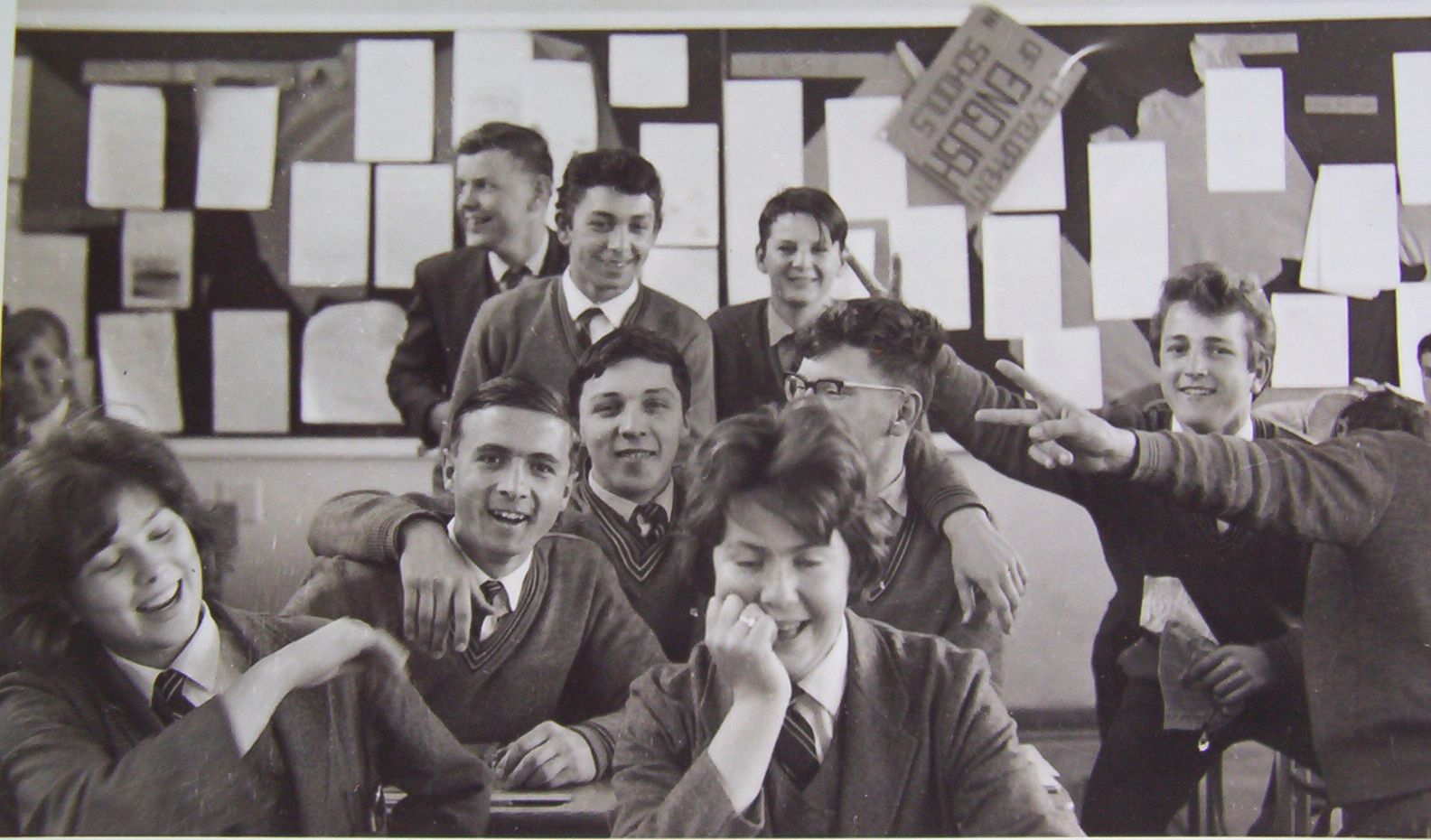
In the kaleidoscopic tapestry of the 1960s, luxury emerged with the poise and flair characteristic of high-class society. This era marked a cultural metamorphosis, where elegance mingled effortlessly with innovation. High-class information from this decade encapsulates not just opulence but also an underlying ethos of change—a reflection of societal evolution. Readers can expect a multifaceted exploration of the era, encompassing fashion, art, architecture, technology, and the sociopolitical climate of the time.
1. The Pinnacle of Fashion
The sartorial elegance of the 1960s was nothing short of revolutionary. Designers like Yves Saint Laurent and Mary Quant redefined femininity through bold silhouettes and vibrant colors. The era saw the creation of the iconic mini skirt, which epitomized youthful exuberance and a break from traditional norms. Haute couture was characterized by intricate designs, luxurious fabrics, and a meticulous attention to detail. The high-class set indulged in bespoke garments and exclusive runway shows, with fashion trends eagerly embraced by the elite.
Alongside haute couture, ready-to-wear collections gained prominence, marking a shift towards accessible luxury. Evening gowns draped in satin and embellished with sequins adorned the glitzy soirées hosted in lavish ballrooms, symbolizing not only wealth but also a burgeoning sense of individual expression. Accessorizing became an art form; statement jewelry and designer handbags were not mere embellishments but essential components of one’s social standing.
2. Artistic Endeavors and Movements
The 1960s also emerged as a crucible for artistic experimentation. Movements such as Pop Art, led by figures like Andy Warhol and Roy Lichtenstein, blended commercial and fine art, challenging established paradigms. Warhol’s silk-screen portraits of icons like Marilyn Monroe transcended mere celebrity admiration, instead critiquing consumer culture while simultaneously celebrating it.
High-class galas showcased this artistic effulgence, as elite collectors vied for ownership of groundbreaking works. The era also witnessed the rise of abstract expressionism and minimalist art, further solidifying the decade’s reputation as a nucleus of creative influx. Art became a symbol of status, with galleries and exhibitions transforming into vital arenas for social interaction.
3. Architectural Innovation
The skyline of the 1960s epitomized modernity, as architects embraced new materials and design philosophies. The influence of Le Corbusier and Mies van der Rohe can be seen in the glass and steel structures that dominated metropolitan landscapes. High-class residences were often furnished with cutting-edge designs—think open floor plans and iconic furniture by the likes of Charles and Ray Eames. Home interiors reflected a Hofmann-esque balance between functionality and avant-garde aesthetics.
Notable structures such as the Sydney Opera House and the Seagram Building emerged during this transformative decade, showcasing an allegiance to both form and function. The architectural language of the time was marked by a commitment to revolutionizing living and working spaces, driven by a desire for simplicity and elegance.
4. Technological Advances
The 1960s were underscored by unprecedented technological progress. From the introduction of color television to the advent of the first satellite communications, this decade marked the beginning of an information age. The luxury market capitalized on these innovations, introducing high-end gadgets that promised sophistication and status.
For the affluent, owning the latest home appliances and entertainment systems became a mark of prestige. The introduction of the first transistor radio allowed individuals to carry music wherever they roamed, further intertwining technology with a luxurious lifestyle. High-class households began to include cutting-edge amenities that reflected a newfound obsession with electronic advancements.
5. Sociopolitical Climate
The 1960s were not merely about aesthetics and opulence; they were a time of deep sociopolitical upheaval. The civil rights movement surged forward, fighting for equality and justice, while the feminist movement gathered momentum, challenging traditional gender roles. This period marked a sharp critique of the status quo, leading to a profound reevaluation of societal norms.
The elite found themselves at a crossroads, as the luxury of wealth became entwined with a growing consciousness about social responsibility. Philanthropy and engagement in political activism became badges of honor for many in high society. The juxtaposition of affluence with burgeoning social change fostered a unique discourse about class, privilege, and moral obligation.
6. Cultural Influences
Music also played a pivotal role in defining high-class culture during the 1960s. The emergence of rock and roll, epitomized by icons like The Beatles and The Rolling Stones, captivated both the young and the affluent. Exclusive concerts and private parties became venues for musical expression and social mingling. The counterculture movement, characterized by its embrace of anti-establishment sentiments, further influenced high-class circles, leading to an eclectic blend of traditional elegance and avant-garde philosophy.
Moreover, film became a significant cultural touchstone, with cinematic masterpieces emerging from Hollywood and international cinemas alike. The glamour of the silver screen enchanted audiences and served as a reflection of the societal changes roiling beneath the surface.
In conclusion, the high-class information landscape of the 1960s is a rich tableau infused with elegance, artistry, and a burgeoning awareness of societal issues. From fashion to architecture, art to technology, and cultural movements to political dialogue, the decade reflects a profound and multifaceted evolution. Readers immersing themselves in this era will discover a complex interplay of indulgence and change—a high-class narrative steeped in both luxury and the spirit of transformation.











Leave a Comment