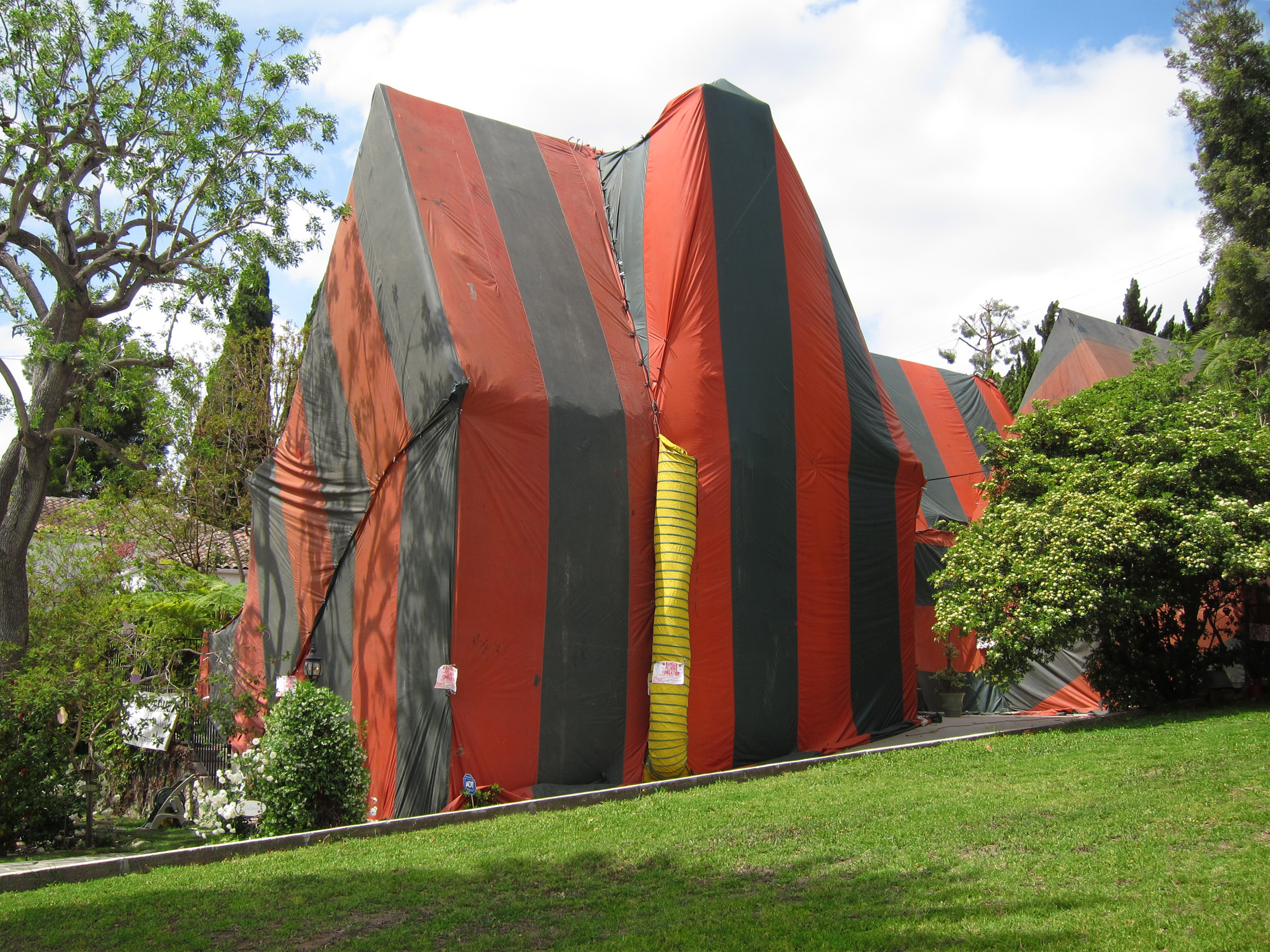
When unwanted guests invade the sanctuary of our homes, the exquisite harmony of our living spaces is disrupted. Termites, often dubbed “silent destroyers,” can wreak havoc on the structural integrity of homes, leading to extensive damage before their presence is even detected. One effective method employed to combat these voracious pests is house tenting, a procedure that has captured the curiosity of many homeowners facing termite infestations. This comprehensive exploration delves into the intricacies of house tenting for termites, elucidating its processes, benefits, and everything one ought to know before embarking on this necessary endeavor.
Understanding Termite Infestations
Prior to contemplating house tenting, it’s essential to understand why termites are a cause for concern. These social insects thrive in colonies and are primarily categorized into three types: subterranean, drywood, and dampwood termites. Their appetites for cellulose materials—found in wood, paper, and even some types of insulation—render them formidable foes in the battle for maintaining a pristine domicile. As they feast on the internal structures of homes, the risks escalate, often culminating in significant economic repercussions.
What is House Tenting?
House tenting, also known as “fumigation,” is a systematic process designed to eliminate termites comprehensively. This method involves enclosing an entire structure with a gas-permeable tent and introducing a fumigant, typically sulfuryl fluoride, which penetrates materials that termites inhabit. The tent creates a sealed environment, allowing the gas to permeate every crevice, ensuring that no nook or cranny is spared from its destructive efficacy.
The Process of House Tenting
Undertaking house tenting is not a haphazard endeavor; it involves multiple precise steps to ensure safety and efficacy:
- Inspection: A meticulous evaluation by pest control professionals is quintessential. This assessment identifies the extent of the infestation and guides the treatment plan.
- Preparation: Homeowners must prepare their abodes by vacating the premises and removing certain items. Heating units, food, and medications must be secured or removed to ensure our health remains uncompromised.
- Tenting: The tenting process begins when a large, durable tarp is utilized to encapsulate the entire property. This situation evolves the home into a sealed container, poised to facilitate the fumigation process efficiently.
- Fumigation: The designated fumigant is carefully introduced into the tented structure. This gas infiltrates all areas of the home, targeting hidden termites. It’s crucial for fumigators to monitor the gas levels throughout this phase to ensure optimal dispersal.
- Ventilation: After the fumigation period, which typically lasts around 24 to 72 hours, the house undergoes a ventilation process where the gas is dissipated safely. This phase is essential, as it guarantees that any residual gas is harmless before residents return.
Benefits of House Tenting
While house tenting may seem daunting, it offers myriad benefits for those grappling with a termite crisis:
- Comprehensive Elimination: Tenting penetrates every nook, ensuring that even the most elusive termites are eradicated.
- Time Efficiency: The entire process can typically be completed within a few days, allowing for a swift return to normalcy.
- Long-Term Solution: Unlike localized treatments, which may leave some termites unscathed, tenting works to eliminate the entire colony, thereby minimizing the chances of re-infestation.
Potential Drawbacks
Despite its advantages, house tenting is not without its considerations. Below are a few potential drawbacks:
- Cost: Tenting can be relatively expensive compared to alternative treatment methods due to the extensive materials and labor involved.
- Disruption: Homeowners must vacate their property for several days, which may necessitate temporary relocation and can be inconvenient.
- Post-Treatment Precautions: Residual chemicals in the environment after fumigation necessitate thorough cleaning and additional precautions to guarantee safety.
Cost Considerations
The financial implications of house tenting can vary widely based on several factors, such as the size of the home, the severity of the infestation, and geographical location. On average, homeowners can expect to pay between $1,500 to $4,000 for a complete tenting treatment. It’s vital to obtain multiple estimates and evaluate the services provided to ascertain that they justify the costs incurred.
Conclusion
House tenting for termites is a compelling remedy for homeowners contending with these timber-devouring insects. While the procedure may evoke trepidation due to its invasive nature, the extensive advantages—such as comprehensive eradication and reduced re-infestation risk—outweigh the temporary inconveniences. By arming oneself with knowledge and enlisting the expertise of professionals, homeowners can reclaim their sanctuaries from the clutches of termite devastation, restoring not only their structures but their peace of mind. In the enchanting symbiosis between humans and their dwellings, it becomes imperative to ensure that our habitats remain unchallenged by nature’s voracious intruders.










Leave a Comment