Braces have long captivated individuals, evoking a sense of curiosity for those who contemplate the transformation they bring to one’s smile. Beyond their metallic facade lies a fascinating interplay of biology, engineering, and art that orchestrates the delicate dance of alignment and aesthetic appeal. Understanding how braces work requires delving into the intricate mechanisms at play, shedding light on their functionality while also exploring the deeper reasons for our collective fascination with this orthodontic marvel.
At their core, braces serve a singular purpose: to correct malocclusions, or improper bites, by realigning teeth and jaws into a harmonious position. This correction is achieved through a system of brackets, wires, and occasionally, additional components such as bands or springs. When one observes a patient adorned with these oral devices, they may notice the gradual transformation of not only the teeth but the entire facial structure. This visual metamorphosis, often onlooked yet deeply significant, reveals the orthodontist’s artistry combined with the principles of biological tissue adaptation.
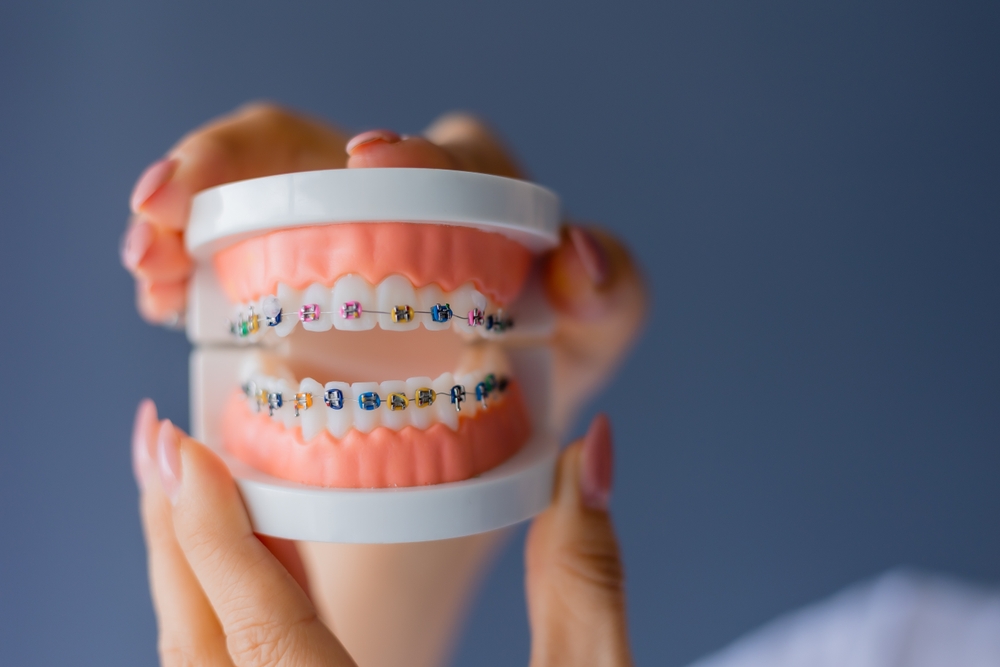
The primary components of braces include brackets, wires, and ligatures. Brackets are the small squares bonded to the teeth, serving as anchors for the archwire. Archwires, made from flexible metal, connect the brackets and exert pressure on the teeth. Over time, this pressure slowly guides the teeth into their desired positions. Ligatures, the tiny rubber bands or wire ties, hold the archwire to the brackets, and come in a variety of colors, allowing for some personal expression, often becoming an integral part of the patient’s identity within the treatment timeline.
When a patient first receives braces, the immediate sensation of discomfort is a tangible reminder of the changes occurring beneath the surface. This discomfort stems from the fact that teeth are not fixed in place; they are embedded within the alveolar bone, surrounded by periodontal ligaments, which are flexible tissues marking the interface between bone and tooth. As pressure is applied by the braces, these ligaments are compressed on one side and stretched on the other. This process initiates the biochemical cascade that stimulates bone remodeling—all part of the body’s inherent ability to adapt to new environments.
Orthodontic treatment is not merely a straightforward affair; it is a painstaking orchestration involving strategic planning and understanding of human anatomy. An orthodontist begins by analyzing the patient’s dental structure through X-rays and impressions. This diagnostic phase is crucial, as it determines the particular malocclusion type—be it overbite, underbite, or crossbite—and subsequently informs treatment options. Each journey begins with a customized plan, considering factors such as age, the severity of alignment issues, and overall dental health.
Once the braces are fitted, the adjustment appointments start, occurring every four to eight weeks. These appointments are not simply to check if the braces are functioning as intended; they allow for fine-tuning and assessing progress. During these visits, patients may receive power chains—an extended type of ligature—used to close gaps or coordinate movement when certain teeth are lagging in their journey to alignment. These adjustments are pivotal, not only for the mechanical efficacy of the braces but also for maintaining patient morale. As a patient witnesses the subtle shifts in their dental landscape, excitement often builds—each appointment strategically showcases progress, reinforcing the importance of patience in the orthodontic process.
Another essential aspect of the journey with braces is personal care. While the orthodontic apparatus works assiduously behind the scenes, the patient must become an active participant in maintaining their oral health. This requires a vigilant routine of brushing and flossing, tailored to navigate the complexities introduced by the braces. Neglecting proper hygiene can lead to enamel demineralization or gum issues, as food particles can easily become ensnared within the brackets and wires. Educating patients about oral hygiene is vital for not only ensuring an aesthetically pleasing outcome but also for promoting overall well-being.
The psychological implications of wearing braces are profound. Often, adolescents encounter the challenge of fitting in among their peers while simultaneously undergoing significant physical alterations. This dual experience can result in a mixture of pride and insecurity. Yet, the end goal—a beautiful and confident smile—functions as a key motivator throughout the treatment. Society often strives toward perfection, and in this quest, braces serve as a metaphorical rite of passage that many individuals soon come to embrace, symbolizing both transformation and growth.
As treatment concludes, the removal of braces is a momentous occasion, usually marked by an exhalation of relief and joy. A retainer is then introduced, solidifying the changes achieved. Retainers serve to stabilize teeth in their new positions, reminding us that orthodontic care does not end with the removal of braces but rather transitions into a new phase of maintenance.
The journey through braces encapsulates more than cosmetic correction; it embodies resilience, social dynamics, and even the nuances of personal identity. As we unearth the mechanisms behind this orthodontic innovation, we recognize not just the triumph of science and engineering but also the deeper connections forged through shared experiences. The allure of braces extends beyond a mere adjustment of teeth—it reflects a yearning for personal transformation and the human desire to forge a genuine connection with our own appearance. In this intricate web of biology and artistry, braces ultimately serve as a catalyst for personal empowerment, enabling individuals to navigate a world that often places a premium on the beauty of a confident smile.









Leave a Comment