
Discovering the need for a root canal can evoke a myriad of emotions—panic, dread, even confusion. Yet, understanding the signs and symptoms can transform this daunting prospect into an experience of empowerment. In this exploration, we delve into the intricacies surrounding root canals, equipping you with the crucial knowledge needed to discern whether this dental procedure is truly necessary.
Understanding Root Canal Therapy
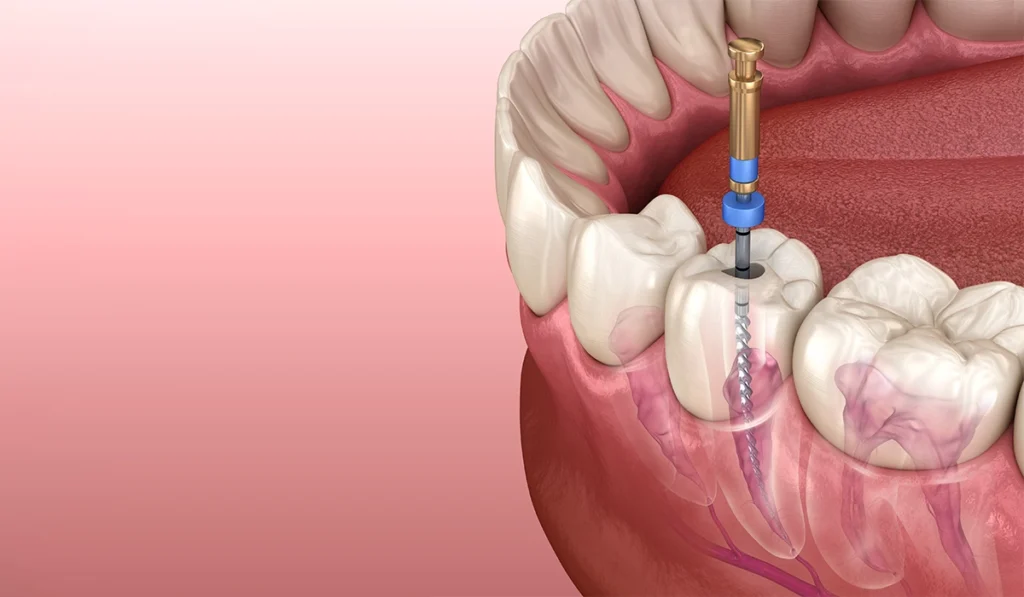
At its core, a root canal procedure is designed to salvage a tooth afflicted by infection or decay, protecting the surrounding dental structures and alleviating pain. This therapeutic intervention targets the pulp—the soft tissue inside your teeth housing nerves and blood vessels—which, when compromised, can lead to significant discomfort and potentially broader health issues. Yet, how do you know when the situation warrants such an intervention?
1. The Tell-Tale Signs of Discomfort
One of the primary indicators that you may require a root canal lies in persistent or acute dental pain. This discomfort may manifest in various forms:
- Shooting Pain: A sudden, sharp sensation that jolts through the tooth can indicate nerve irritation or infection.
- Persistent Ache: A dull, throbbing pain that lingers—especially when pressure is applied—might suggest deeper issues lurking beneath the surface.
- Sensitivity: Prolonged sensitivity to hot or cold temperatures, even after stimuli have been removed, can be a warning sign that the pulp is compromised.
Listening to your body is imperative. An unusual or intensifying sensation in your teeth should never be dismissed lightly.
2. Observing Physical Manifestations
Your teeth do more than simply chew; they communicate with you. There are additional physical signs that may signal the necessity of a root canal:
- Swelling and Tenderness: The presence of swelling in the gums surrounding a tooth coupled with tenderness can indicate an underlying infection.
- Discoloration: Noticeable darkening or discoloration of a tooth may suggest nerve death and the potential need for a root canal.
- Abscess Formation: The emergence of pimple-like bumps on the gums indicates pus accumulation and should prompt immediate dental evaluation.
Each symptom provides a piece of the puzzle, helping to uncover the hidden status of your dental health.
3. The Role of Dental Exams
Even if you don’t experience obvious symptoms, routine dental examinations are vital in identifying underlying issues before they escalate. During these visits, your dentist may:
- Utilize X-rays: Radiographic imaging can reveal the extent of decay, infection, or damage beyond what the naked eye can see.
- Conduct Sensitivity Tests: Tests involving cold or heat applications help measure your tooth’s responsiveness, indicating nerve health.
- Evaluate Your Dental History: A thorough examination of previous dental work or recurring issues can inform potential risks for future complications.
No matter how healthy you perceive your teeth to be, regular check-ups can help thwart future problems.
4. Chronic Conditions That Can Indicate Issues
Some individuals may be more predisposed to requiring a root canal due to chronic dental conditions. Take note of the following:
- Gum Disease: Compromised gum health can lead to tooth loss and infections affecting the tooth’s root.
- Extensive Cavities: Deep caries can infiltrate the pulp, initiating the decay process from the inside out.
- Trauma: A physical injury to a tooth can result in irreversible damage to the pulp, necessitating surgical intervention.
Understanding these risk factors can be crucial to preventive care, ultimately saving you from the need for extensive procedures later on.
5. When to Seek Immediate Care
It is essential to recognize the urgency of certain symptoms that demand immediate dental attention. Act without delay if you experience:
- Severe Pain: Intolerable, debilitating pain that disrupts your daily activities is a clear call for help.
- Fever: A rising fever might indicate a systemic response to infection and should prompt an immediate consultation.
- Swelling Spreading: If the swelling in the gums begins to spread towards your face or neck, an urgent dental visit is mandatory.
Don’t hesitate to seek help; swift action can prevent complications and alleviate suffering.
Conclusion: Empowering Yourself Through Knowledge
Deciding whether you need a root canal involves education, observation, and professional guidance. Equipped with these insights, you can confidently navigate your dental health journey. Being attuned to your body and understanding the cues it provides is essential in safeguarding your smile and overall health.
Remember, knowledge is power. By recognizing the signs, understanding the symptoms, and engaging in regular dental care, you are not just acting against pain; you are advocating for your well-being. With the right approach, a root canal can be a pathway to preservation rather than a harbinger of doom.








Leave a Comment