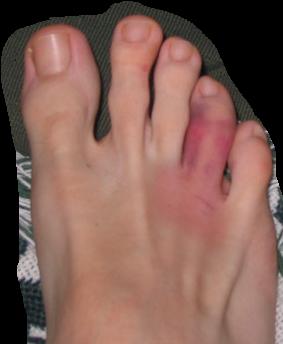
Have you ever stubbed your toe so hard that you momentarily question the integrity of your own anatomy? The sharp pain that reverberates through your foot can leave you reeling and momentarily incapacitated. But how do you truly discern if that pelvic digit is merely bruised or actually broken? This enigmatic query often presents a challenge, particularly when the toe’s size betrays the severity of the injury. In this guide, we will dissect the telltale signs of a broken toe, navigate through the assessment process, and illuminate the steps to take should you find yourself in this precarious predicament.
Understanding Toe Anatomy
The human foot comprises numerous intricate components, but the toes—the unsung heroes of balance—are particularly fascinating. Each toe is made up of bones called phalanges, and its delicate structure is prone to a host of injuries. Knowing the basic anatomy of your toes can be advantageous when assessing any injury.
Common Symptoms of a Broken Toe
When you ascend into the realm of broken bones, the symptoms are not limited to a mere throbbing ache. Consider the following signs that may indicate a fracture:
- Pain: Usually the first signal of distress. A broken toe can elicit excruciating pain that intensifies with movement of the foot.
- Swelling: Observe whether the area around the toe exhibits increased puffiness. This might range from a slight enlargement to more notable distension.
- Bruising: Witnessing the skin turn an array of colors, from blue to purple to yellow, is a common accompaniment to fractures.
- Inability to Walk: If weight-bearing becomes a Herculean task, it’s a crucial indicator of a more serious issue.
- Deformity: Sometimes, the toe may assume an unnatural position, a telltale sign of a fracture.
Self-Assessment Techniques
Once you’ve summoned the symptoms, it’s time for a rudimentary self-assessment. Although medical consultation is always recommended, engaging in a self-examination can provide preliminary insights:
- Look for Physical Changes: Examine your toe closely. Besides swelling and bruising, check for signs of misalignment.
- Testing Mobility: Gently move the toe. If the mere thought sends shivers down your spine, that might be an indication of a fracture.
- Perform the Crunch Test: Lightly pinch the toe or apply pressure to see if it exacerbates your pain. A significant spike usually necessitates a medical review.
When to Seek Medical Attention
There are times when home remedies and self-care simply won’t suffice. The following scenarios unequivocally warrant a visit to a healthcare professional:
- Your symptoms persist beyond a few days without improvement.
- The pain is unbearable and affects your daily life.
- There’s visible deformity or displacement of the toe.
- You experience numbness or inability to move the toe entirely.
Diagnosis and Imaging
Upon arrival at the healthcare facility, a practitioner will typically initiate a dialogue regarding your symptoms and medical history. This conversation lays the groundwork for a focused examination. Subsequently, diagnostic imaging, such as X-rays, may be conducted to elucidate the nature of the injury. This crucial step can reveal the fracture’s exact location and determine if it has resulted in any complications.
Treatment Options
Once diagnosed, the course of treatment may vary depending on the fracture’s severity. Here are a few common approaches:
- Rest and Immobilization: Often, simply keeping the toe protected and stationary can facilitate healing. Utilizing a splint or buddy taping—where the injured toe is taped to an adjacent toe—may also be recommended.
- Ice Therapy: Applying ice can help mitigate swelling and pain, particularly in the initial days following the injury.
- Pain Management: Over-the-counter analgesics, such as acetaminophen or non-steroidal anti-inflammatory drugs (NSAIDs), might be suggested for discomfort.
- Physical Therapy: If mobility remains a concern post-injury, a structured rehabilitation program may be beneficial to restore function.
Preventative Measures for Future Injuries
Once you’ve navigated through the tumultuous waters of a toe injury, consider implementing preventative strategies. Wearing appropriate footwear that provides adequate support and avoiding hazards in your environment can significantly reduce the risk of future mishaps.
Conclusion
Encountering a potentially broken toe can evoke anxiety, from deciphering the symptoms to managing the injury. By understanding the signs, conducting an initial assessment, and knowing when to seek help, you can navigate these challenges adeptly. Remember that prompt and appropriate care leads to the best outcomes. Hence, while it may be easy to dismiss the toe as a trivial part of the body, a deeper understanding of its well-being is not only beneficial—it is essential for maintaining your overall foot health.










Leave a Comment