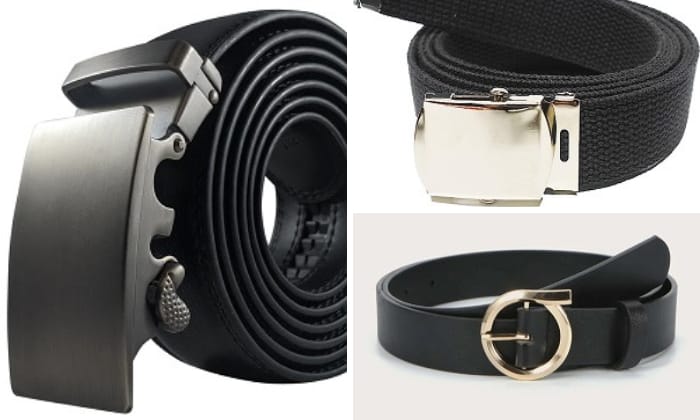
When it comes to accessorizing, few items are as quintessentially versatile as the belt. Not only does it unify an outfit, but it also serves a functional purpose. Yet, the belt itself cannot achieve its full potential without the right buckle. Whether you’re outfitting a classic leather belt, a casual woven strap, or a rugged military-style accessory, knowing how to attach and adjust a belt buckle is fundamental. This guide delves into the various methods and considerations for securely fastening a belt buckle to a belt, ensuring both aesthetics and practicality are seamlessly achieved.
Understanding the Anatomy of a Belt and Buckle
Before one embarks upon the fastening ritual, familiarity with the components of both the belt and the buckle is paramount. A standard belt typically comprises:
- Strap: The elongated piece of material—leather, fabric, or synthetic—that forms the backbone of the belt.
- Buckle: The fastening mechanism, which may include a frame, prong, or snap closure, that holds the belt in place.
- Keeper: A loop that anchors loose ends of the strap, adding both stability and aesthetic appeal.
- Punch Holes: Openings along the strap that accommodate the buckle’s prong or latch for proper adjustment.
Being well-acquainted with these components will facilitate a more streamlined belt-buckling experience.
Types of Buckles: A Diverse Selection
Variability in buckles is vast, and your choice may influence the attaching process. Here are a few popular types:
- Prong Buckle: A traditional design featuring a metal prong that fits into designated holes on the strap. This style is ubiquitous and user-friendly.
- Slide Buckle: This buckle employs a sliding mechanism that secures the belt by simply pulling through the buckle and adjusting to the desired tightness.
- Snap Buckle: Common in casual and military belts, this type snaps shut for a secure fit and is easily detachable.
- Ratchet Buckle: A more modern innovation, this buckle engages with a toothed track, enabling micro-adjustments for the perfect fit.
Recognizing the type of buckle you are working with will aid in determining the appropriate attachment method.
Steps to Attach a Prong Buckle
The prong buckle is perhaps the simplest and most familiar of all. To affix this type:
- Insert the Strap: Begin by threading the end of the belt strap through the buckle’s frame. Ensure the backside of the buckle faces outward and the prong is aligned correctly.
- Secure the Prong: Push the prong through the appropriate hole on the strap, selecting a hole that allows for a comfortable fit; adjust as necessary.
- Reinforce with a Keeper: If applicable, pass the end of the strap through the keeper to secure it against movement.
This method highlights the reliability of the classic prong buckle, making it ideal for both casual and formal wear.
Attaching a Slide Buckle
The slide buckle presents a unique fastening solution. Follow these steps:
- Feed the Strap: Insert the belt strap through the buckle, making sure to pass it from the back to the front.
- Adjust for Fit: Pull the strap to your desired tightness. The friction against the buckle will usually hold it in place; however, you may need to adjust periodically.
- Simplistic Charm: This style is often favored for its straightforward approach, particularly in relaxed settings.
Slide buckles effortlessly blend functionality with ease, making them a popular choice for casual outfits.
Fitting a Snap Buckle
Snap buckles exhibit a modern flair. The fastening technique varies slightly:
- Align the Snap Components: Take the two parts of the buckle, ensuring they face each other in alignment.
- Press Together: Firmly push the components together until you hear or feel an audible click, indicating they are securely attached.
- Test for Security: Gently tug on the strap to confirm that the buckle has snapped in place.
Snap buckles epitomize ease, especially for those who may frequently remove their belts.
Using a Ratchet Buckle: A Modern Approach
When leveraging a ratchet buckle, the attachment method harmonizes ease and innovation:
- Insert the Strap: Pass the strap through the ratchet buckle’s slot until it emerges on the opposite side.
- Engage the Mechanism: With a gentle pull on the end of the strap, the ratchet mechanism will automatically grasp and secure it.
- Adjust for Comfort: To loosen, simply lift the release lever or button; for tightening, pull the strap to engage the ratchet teeth further.
Ratchet buckles epitomize convenience for individuals requiring consistent adjustments throughout the day.
Conclusion: Mastering Belt Buckle Attachment
Achieving proficiency in fastening a belt buckle is an invaluable skill in one’s sartorial repertoire. From traditional prong designs to contemporary ratchet styles, the methods outlined above ensure that every fashion enthusiast can confidently secure their belt. With the right technique and a bit of practice, you can enhance your wardrobe’s functionality while making a stylish statement. Remember, a well-fitted belt not only completes an outfit but also exemplifies your attention to detail. Happy buckling!








Leave a Comment