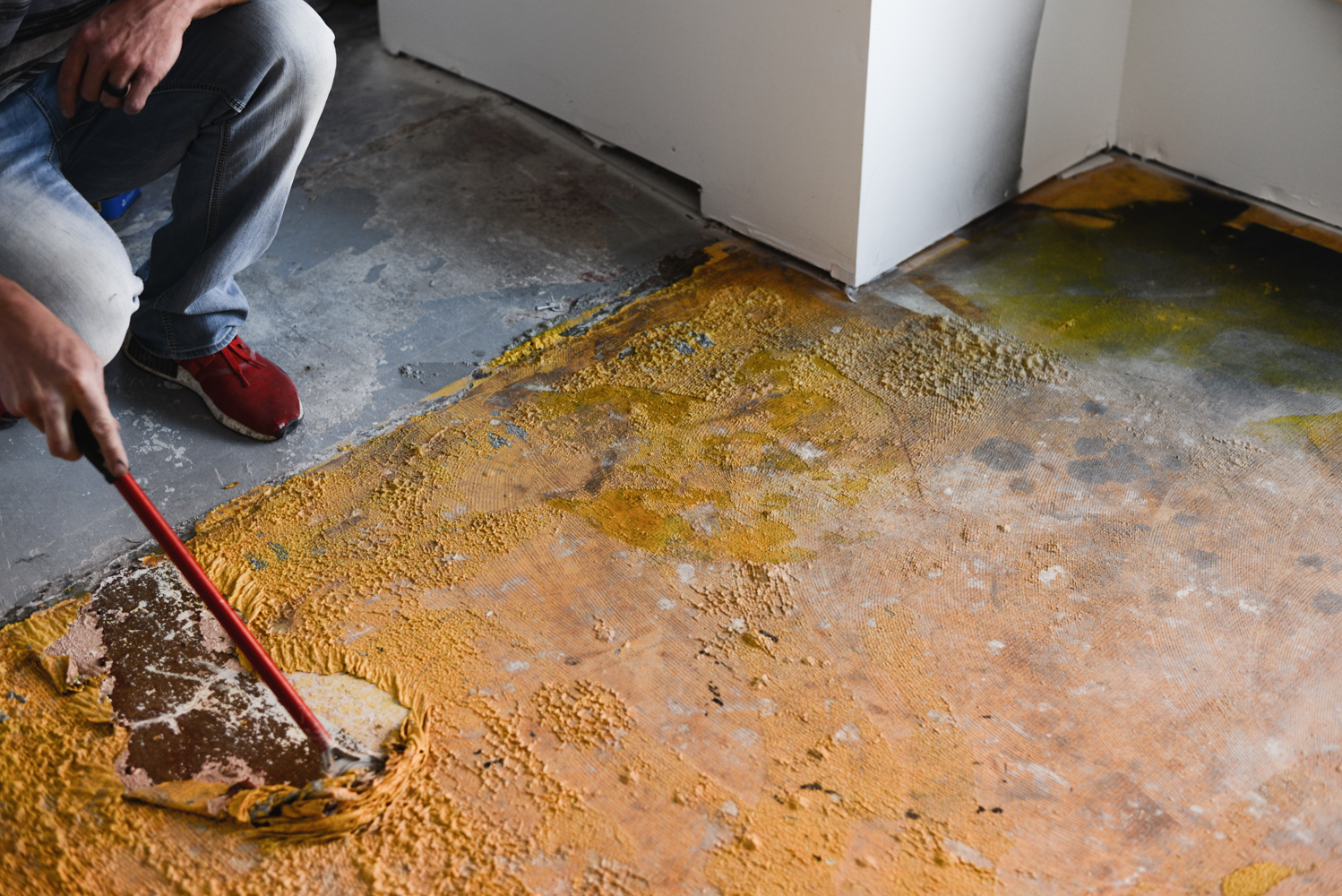
Concrete is a ubiquitous material, found in driveways, patios, and even indoor flooring. Its durability and versatility make it a popular choice for various applications. However, it is not uncommon for surfaces made of concrete to become marred with paint spills or drips, whether from DIY projects or professional work gone awry. This leads to a frequent question among homeowners and professionals alike: how does one effectively remove paint from concrete? Understanding this not only enhances the aesthetic appeal of the concrete surface but also extends its longevity. Below is a comprehensive guide on the methods available to banish unwanted paint from concrete.
1. Evaluate the Type of Paint
Before embarking on the removal process, identify the type of paint involved—water-based or oil-based. Water-based paints, conveniently, are generally easier to remove, while oil-based variants often require more aggressive techniques. This preliminary assessment can inform your approach and influence the products you will need.
2. Gather Necessary Materials
Preparation is paramount. Depending on the paint type, you may need the following tools and materials:
- Scraper or putty knife
- Oven cleaner or paint stripper
- Power washer or garden hose
- Acetone or rubbing alcohol
- Brush with stiff bristles
- Protective gear: gloves, goggles, and mask
- Rags or absorbent cloths
- Bucket and warm water
3. Begin with a Physical Scrape
Utilize a scraper or putty knife to gently lift the paint from the concrete surface. Move in a careful, methodical way to minimize damage to the underlying concrete while maximizing your paint removal efforts. This manual approach can remove thicker layers and is beneficial for small spots or drips.
4. Apply Chemical Removers
When simple scraping falls short, resort to chemical paint removers. Water-based paints can often yield to a concoction of warm, soapy water. For oil-based paints, consider using a commercial paint stripper. Apply the product according to the manufacturer’s instructions, ensuring it is safe for use on concrete. Let it dwell for the specified time, allowing the chemical to penetrate and break down the paint particles.
5. Scrub Vigorously
Once the chemical degrades the paint, employ a stiff-bristled brush to scrub the area vigorously. This step is crucial; it releases the paint’s bond with the concrete, helping disperse any remaining remnants. Frequently rinse the brush in a bucket of water to keep the process efficient.
6. Utilize a Power Washer
If the situation warrants a more macroscopic approach, a power washer can be a fantastic ally. This method employs high-pressure water streams to blast away the paint and is particularly effective with outdoor surfaces. Ensure that the nozzle isn’t set too high to avoid damaging the concrete beneath.
7. Employ Solvents with Caution
For stubborn patches, solvents such as acetone or rubbing alcohol are effective in breaking down paint. Apply a small amount to a rag and blot the paint stain, allowing it time to dissolve. Always test in an inconspicuous area first to prevent any unwanted effects on the integrity of the concrete.
8. Rinse Thoroughly
Following any chemical application or power washing, rinse the area thoroughly with water. This final step eliminates any lingering chemical agents or paint debris. Ensure proper drainage so that water and materials do not pool in static areas, which could lead to future staining or damage.
9. Assess and Repeat if Necessary
After the initial round of removal, assess the surface. Any residual paint can be tackled with repeated applications of the same methods. Persistence is often key; don’t be disheartened if the paint doesn’t come off in one go.
10. Consider a Professional Service
In cases where the paint is particularly entrenched or large areas require treatment, it might be pragmatic to engage professional services. Experts in concrete care possess specialized tools and solvents, along with extensive experience that can expedite the process and achieve a flawless finish.
11. Protective Measures Going Forward
Once the paint has been successfully removed, consider applying a sealant to your concrete. This can protect it against future spills, making it easier to maintain its pristine appearance. Regular maintenance and protective coatings can help stave off stains and prolong the life of your concrete surfaces.
In conclusion, the process of removing paint from concrete surfaces can be intricate but is entirely feasible with the appropriate methods and tools. Whether opting for the power of chemical removers, the brute force of scrapers, or the precision of power washers, understanding the nuances involved can greatly aid in achieving a successful outcome. As with many home maintenance tasks, being well-informed leads to greater satisfaction and a cleaner, more aesthetically pleasing environment.








Leave a Comment