In the intricate tapestry of life, where every moment pulses with potential, few symbols embody both security and urgency as vividly as a fire extinguisher. This unassuming cylindrical device, often nestled in the corners of our homes and workplaces, serves as a sentinel against the ferocious dance of flames. Knowing how to wield this essential tool can transform an ordinary individual into a hero, reclaiming control in a situation that spirals toward chaos. This guide endeavors to illuminate the nuanced steps for using a fire extinguisher, ensuring that you are prepared to face the heat of the moment.
The Anatomy of a Fire Extinguisher
Before embarking on the journey of usage, one must familiarize oneself with the anatomy of a fire extinguisher. Picture it as a complex timepiece, each component playing a pivotal role in the orchestration of fire suppression. At its core lies the pressure gauge, a shrill indicator of readiness, signaling whether the extinguisher is charged. The nozzle directs the extinguishing agent, while the pin acts as a safeguard, preventing accidental discharge. Each part is essential, coalescing into a singular purpose—to extinguish flames.
Understanding the Types of Fires
Not all fires are created equal, and much like the complexities of a fine wine, different types of fires require specialized approaches. It is crucial to categorize fires according to their fuel sources:
- Class A: Fires fueled by common combustibles such as wood, paper, and cloth. Imagine the crackling energy of a bonfire.
- Class B: Flammable liquids like gasoline or oil can quickly become consuming monsters. Envision the swirling chaos of a tempest.
- Class C: Electrical fires that emerge from unintended shorts or sparks, akin to an insidious, creeping vine.
- Class D: Metal fires, often ignited by substances such as magnesium or sodium, presenting an enigmatic challenge.
- Class K: Kitchen fires, fueled by cooking oils and fats, akin to a smoldering cauldron.
Understanding these categories is paramount, as each fire requires a specific extinguishing agent to capture its unique essence.
The Singular Dance: Using the Fire Extinguisher
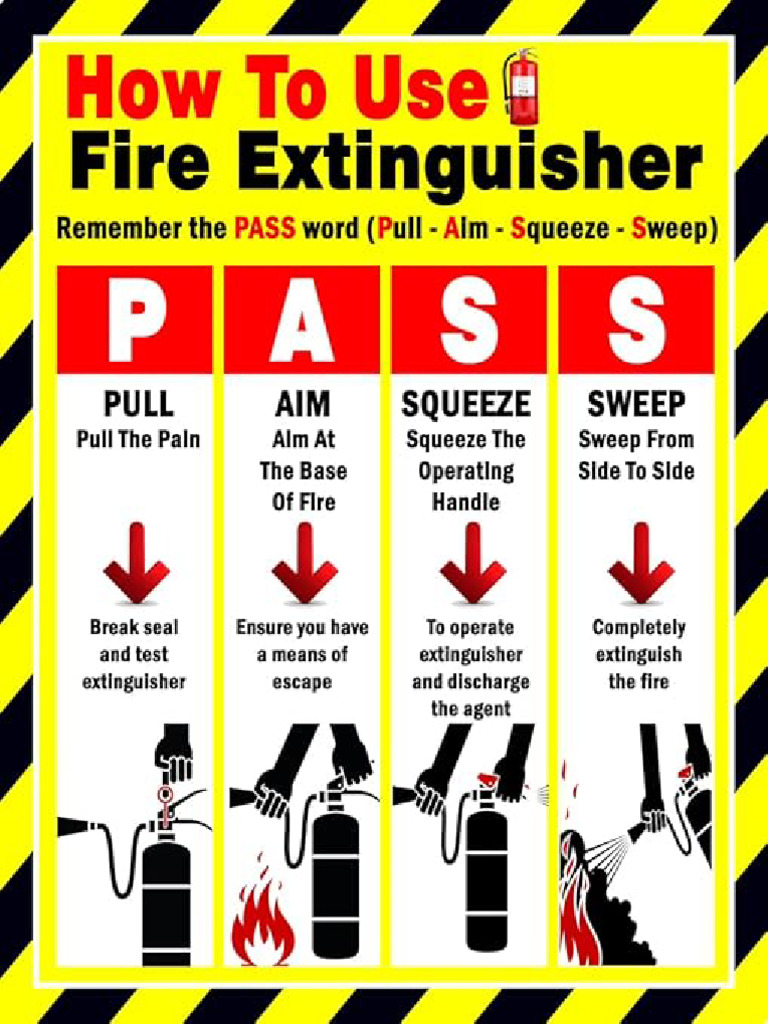
Now that you are well-acquainted with its anatomy and the types of fires, it is time to master the magnificent dance of extinguishing flames. This process can be encapsulated within the P.A.S.S. technique, a simple yet powerful choreography of actions:
- Pull: Grasp the extinguisher firmly and pull the safety pin. This pin serves as the sentinel’s barrier—disengaging it releases the potential of the device.
- Aim: Direct the nozzle low, targeting the base of the flames. This is where the fire’s heart beats—the point of ignition.
- Squeeze: Apply firm pressure to the handle to release the extinguishing agent. Like a burst of energy, this action unleashes the potential stored within.
- Sweep: Move the nozzle side to side, methodically sweeping across the fire until it wanes and ultimately vanishes.
Timing and Positioning: The Art of Fire Extinguisher Usage
Timing is of the essence. As flames consume air and grow, they morph from manageable flickers to voracious infernos. Your position—both physically and psychologically—becomes critically important. Stand a safe distance away, typically 6 to 8 feet, as you command the fire, ensuring an escape route remains visible and accessible. This distance acts as a protective barrier, allowing you to quell the flames without succumbing to the searing heat or noxious smoke.
Aftermath and Assessment
Once the fire has been subdued, the aftermath presents its own set of challenges. Like a vigilant custodian, assess the scene for any remaining embers or potential reignition. Although the immediate crisis may seem over, lingering threats often lurk in the shadows. Document the event for insurance purposes and, if necessary, contact the fire department for an inspection. This act of diligence ensures that your surroundings remain impervious to further risks.
Recharging Your Readiness
Upon usage, a fire extinguisher requires attention, much like a soldier preparing for its next battlefield. Arrange for refilling or replacement; never allow an empty extinguisher to remain in its post. Schedule regular checks to ensure all components are functional, and that the pressure gauge reflects readiness. Your preparation today fortifies your defenses for tomorrow’s uncertainties.
Conclusion: Embrace the Power Within
Armed with the knowledge to use a fire extinguisher effectively, you stand at the intersection of preparedness and control. This small yet formidable device represents not just an object, but a tangible manifestation of safety, ready to transform potential tragedy into triumph. As you embrace this responsibility, remember that every flick of the wrist, every strategic move, is not just about extinguishing flames but about empowering yourself and those around you. In the symphony of life, let the fire extinguisher be your trusted instrument against the fiery crescendos that threaten to encroach upon your space.






Leave a Comment