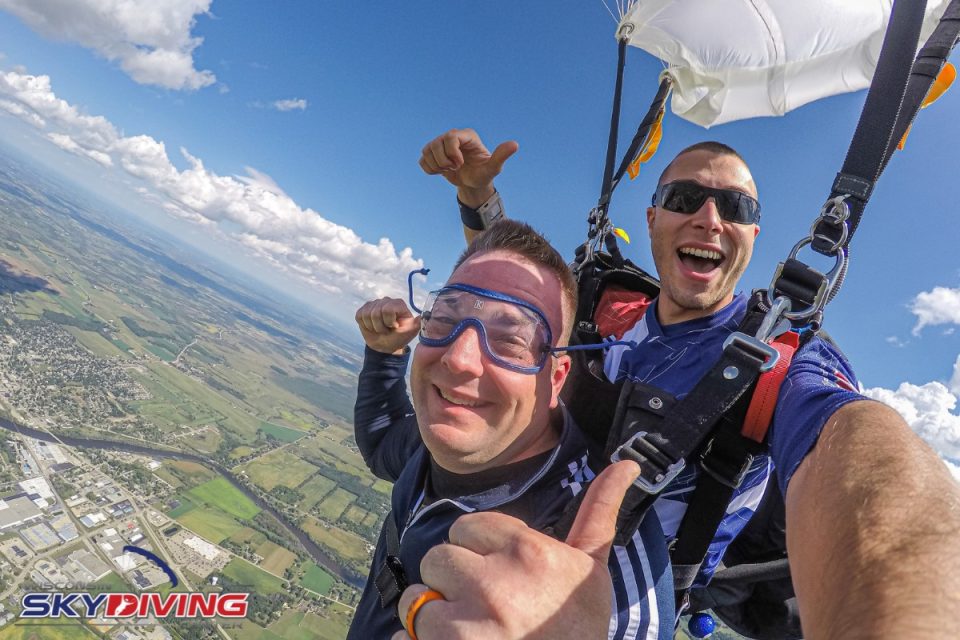
Skydiving is often perceived as a realm reserved for the adventurous spirit, a thrilling plunge into the vastness of the sky. Yet, beneath this exhilarating facade lies a question that intrigues many: how expensive is skydiving? While the allure of freefalling is unmistakably captivating, understanding the financial commitment involved in this airborne escapade can significantly influence one’s decision to take the leap.
To begin unraveling the enigma of skydiving expenses, it is essential to consider various factors that contribute to the overall cost. Typically, price tags in the skydiving arena can vary widely based on location, the experience level of the participant, type of jump, and additional options included in the package. Understanding these elements offers a comprehensive perspective that piques curiosity and fosters better decision-making.
Location: The Ground Beneath Your Feet
Skydiving facilities are as diverse as the regions they inhabit. For instance, skydiving in urban hubs tends to command higher prices compared to rural drop zones. This discrepancy is largely due to overhead costs; urban centers often face increased rent, insurance, and operational expenses. Conversely, venues situated in breathtaking landscapes may offer lower rates, enticing thrill-seekers with scenic backdrops rather than just a thrill. Therefore, if budgetary constraints are a concern, exploring less commercialized locations could yield significant savings.
Experience Level: A Spectrum of Choices
When venturing into the skydiving world, one must decide whether to experience tandem jumps or to undergo solo jumps after extensive training. Tandem skydiving, which entails jumping while securely harnessed to an experienced instructor, tends to be the more economical choice for beginners. Prices generally range from $200 to $300 for a tandem jump, which includes equipment rental and a brief training session.
On the other hand, those seeking to embrace their inner daredevil may consider obtaining an A license, which allows for solo jumps. The A license course can entail a more substantial investment, often ranging from $1,500 to $3,000, factoring in training, equipment, and certification. The initial financial outlay may appear daunting, but it grants a lifetime of autonomy in the air. Thus, balancing excitement and affordability hinges on one’s individual aspirations and commitment.
Types of Jumps: Elevating Costs
Within the skydiving universe, the type of jump can also affect the price structure. Aside from tandem and solo jumps, specialized jumps such as night jumps, wingsuit jumps, or jumps from higher altitudes come at varying costs. A night jump, for instance, generally incurs an additional fee for the logistical adjustments and safety precautions involved. Similarly, wingsuit flying often requires specialized training and a financial commitment that extends beyond the traditional jump experience, ranging anywhere from $400 to over $1,000, depending on the level of expertise required.
Additional Costs: Hidden Fees and Optional Extras
Furthermore, the initial price quoted for a skydiving experience may not encompass all potential costs. Participants should remain vigilant about hidden fees, which can include video and photography services, gear rental, or even membership fees at certain skydiving centers. Capturing the exhilarating moment of freefall through high-definition videography, while tempting, may add an extra $100 to $200 to the final tally. Additionally, if one does not possess personal gear, renting equipment might incur daily charges that steadily accumulate. Understanding these nuances allows prospective skydivers to budget more effectively, mitigating any unwelcome surprises.
Insurance: Protecting Your Investment
In the realm of adventure sports, securing proper insurance cannot be overlooked. Skydiving enthusiasts should research coverage that accounts for potential injuries or damages incurred during jumps. Insurance costs typically range from $100 to $300 annually, adding another layer to the overall expenditure. However, investing in insurance can offer peace of mind and protection, enhancing what is already a thrilling experience.
Expecting the Unexpected: Economic Fluctuations
Skydiving prices are also susceptible to economic shifts and seasonal variations. During peak seasons, prices may rise significantly as demand surges. Conversely, off-peak periods can lead to enticing discounts or promotions, presenting an opportunity for cost-conscious adventurers. Thus, flexibility with scheduling can be a savvy way to capitalize on better pricing.
The Value Beyond Cost
Ultimately, while the financial aspect of skydiving is undeniably significant, it is essential to view this expenditure through a broader lens. The experience of freefalling from thousands of feet above sea level is not merely an activity; it’s a profound encounter that can alter perspectives and reshape one’s outlook on life. The visceral thrill of skydiving may transcend its monetary value, transforming into a lifelong memory etched into the fabric of one’s being.
In conclusion, understanding how expensive skydiving can be involves much more than a simple price tag. With considerations of location, experience level, type of jump, additional costs, insurance, and economic fluctuations, the total financial commitment can vary widely. However, taking a holistic view of the experience—including its life-changing potential—will encourage a deeper appreciation of what may initially seem like a hefty investment. Embrace the thrill, weigh the costs, and prepare for an adventure that could redefine the trajectory of your existence.










Leave a Comment