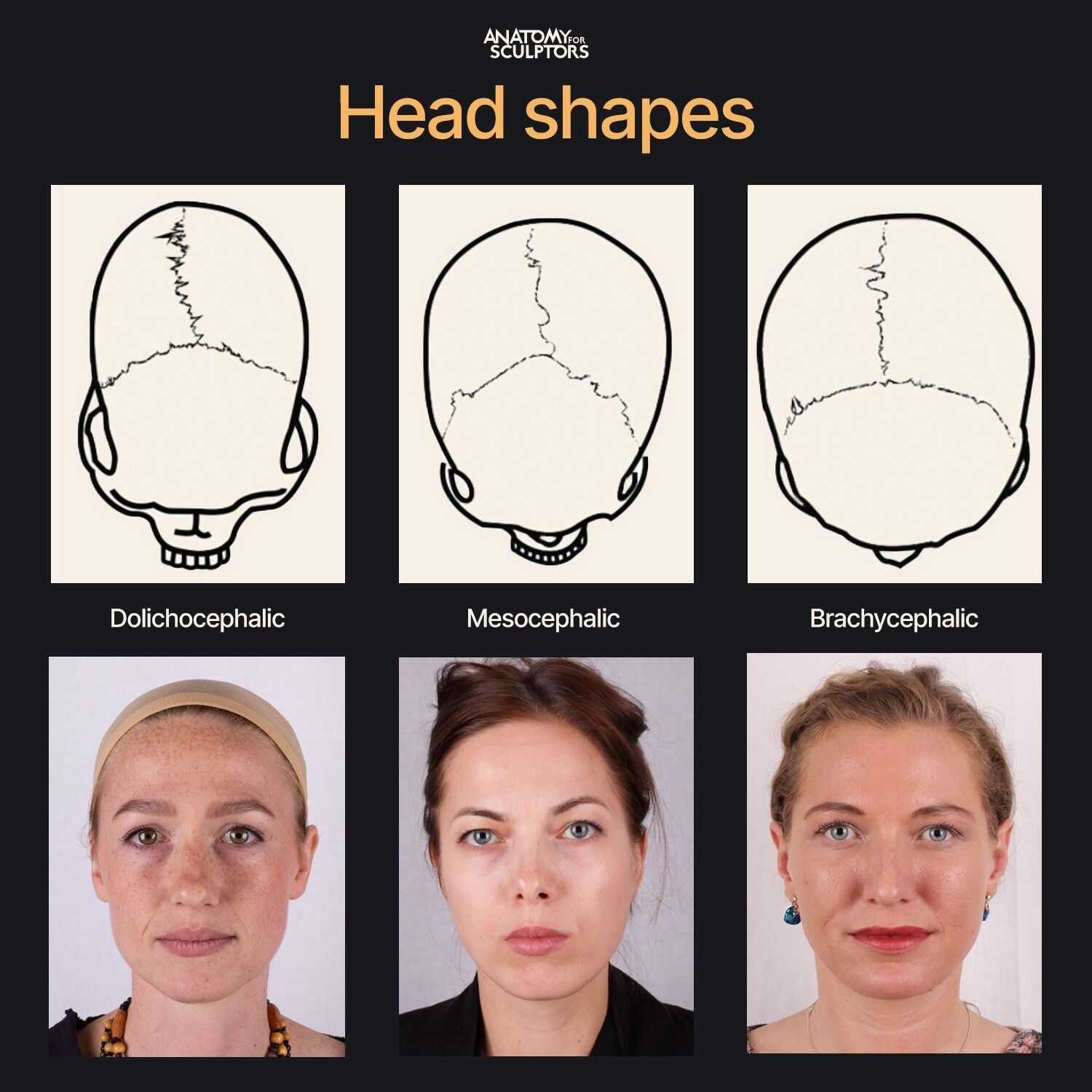
From portraits in the Renaissance to contemporary cinema, head shapes have intrigued the human psyche, sparking aesthetic judgments and philosophical ponderings alike. While at first glance, head shape may seem like a trivial aspect of our identity, the reality is far richer and more profound. This article delves into the significance of head shapes, exploring their implications across various fields including psychology, art, sociology, and evolutionary biology. What lies beneath our fascination with these cranial contours?
1. The Anatomy of Head Shapes
Head shapes can vary dramatically among individuals. Anthropologists categorize them into several distinct forms, such as oval, square, and heart-shaped. Each shape arises from unique genetic predispositions and environmental influences, and consequently, they have different implications for identity and personality. The variation in head shapes is often reflective of underlying skull formations, governed by both complex evolutionary traits and geographical descent.
2. Historical Perspectives
Throughout history, head shapes have had particular significance in different cultures. The ancient Egyptians, for instance, created art that emphasized specific facial features and cranial shapes, believing these elements revealed the soul’s essence. In the 18th century, phrenology emerged, positing that head shape could determine intelligence and character. Although this practice has been debunked, it reflects humanity’s unending quest to correlate physical attributes with personality attributes.
3. Psychological Implications
Modern psychology continues to explore the implications of head shapes. Studies suggest that certain features can inadvertently influence how we perceive others. For example, individuals with more angular features, like square jaws, are often deemed to possess assertive personalities. Meanwhile, softer, oval-shaped faces may lead to perceptions of warmth and approachability. Understanding these biases helps navigate social interactions and underscores the significance we place on cranial dimensions.
4. The Art of Representation
Artists have long been captivated by head shapes as they inform the representation of identity. A sculptor’s choice of model may depend on the unique contours of a subject’s head—which inspires varying artistic expressions. The Baroque period, for instance, highlighted dramatic contrasts between faces to evoke emotional responses. Similarly, contemporary artists push the envelope by challenging conventional standards of beauty, playing with perceptions that arise from unconventional head shapes and styles.
5. Cultural Connotations
Head shapes can also bear significance across various cultures. In certain societies, an elongated head is deemed a mark of beauty, celebrated through practices that mold cranial shapes during infancy. Conversely, rounder faces may symbolize prosperity in different contexts. These ideals illustrate how deeply intertwined beauty standards are with cultural narratives and historical perceptions of attractiveness.
6. The Influence of Head Shapes on Social Dynamics
Our assumptions about head shapes can have curious social implications. People with more ‘traditional’ head shapes may find social advantages in various settings, such as the workplace or academic environments. Those who diverge from the norm often face stereotyping or willful ignorance pertaining to their capabilities based solely on their appearances. This bias illuminates societal pressures that shape how individuals express their individuality versus conform to archetypal standards.
7. Evolutionary Considerations
From an evolutionary standpoint, head shapes may serve crucial adaptive functions. The human skull, with its particular structural traits, has evolved to accommodate various survival needs, including brain size, sensory organs, and even dietary habits. As environmental demands shifted, so too did the morphological features, including head shapes, hinting at a rich narrative of human resilience.
8. Hybrid Identities and Modern Challenges
In the contemporary tapestry of globalization, head shapes have found new meanings in hybrid identities. Increased intermingling of cultures has led to a melting pot of aesthetics, altering the perceptions and significance of head shapes. This plurality allows for a breaking down of previously rigid beauty standards, inviting inclusivity in how we understand and appreciate diverse cranial forms.
9. The Future of Head Shapes in Art and Science
Looking ahead, advances in technology may further alter our perceptions of head shapes. Virtual reality and augmented reality are poised to change how we visualize and experience identity, leading to new interpretations of physicality. As science continues to probe into genetics and craniofacial diversity, exciting dialogues will emerge, challenging entrenched societal norms.
As our exploration of head shapes reveals, these cranial structures are not merely anatomical curiosities; they serve as a significant nexus for culture, identity, and human behavior. They embody narratives that span history, psychology, art, and evolution, culminating in a deep fascination that resonates universally. Understanding the importance of head shapes invites us not only to appreciate physical diversity but also to engage with the social constructs that shape our perception of beauty and identity. In our rich tapestry of existence, every contour carries a story worth retelling.









Leave a Comment