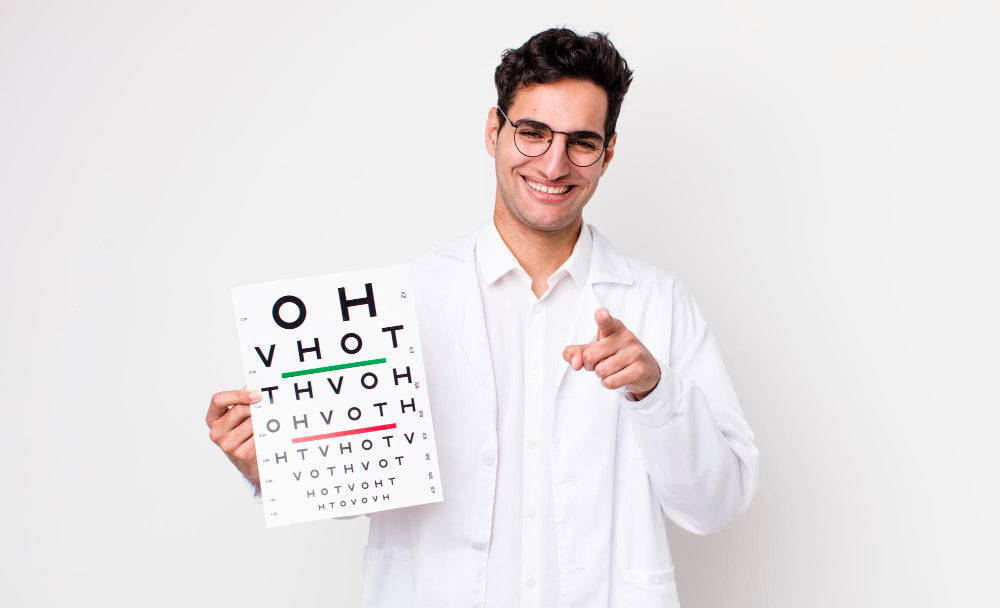
When it comes to maintaining optimal eye health, understanding the longevity of contact lens prescriptions is a pivotal concern for many users. Navigating the complexities surrounding prescriptions is crucial for ensuring that your lenses remain safe and effective. In this comprehensive guide, we will dissect various aspects related to how long contact prescriptions are good for, thereby arming you with the knowledge to make informed decisions about your ocular care.
1. Understanding Contact Lens Prescriptions
A contact lens prescription is a specialized document crafted by your eye care professional. It incapsulates critical information such as the lens power, base curve, diameter, and sometimes specific brand recommendations. Understanding the components of your prescription is fundamental for ensuring the proper fit and comfort of your lenses.
2. General Duration: How Long Are Prescriptions Valid?
The validity of a contact lens prescription is typically around one year from the date of issue. However, this duration can vary based on individual circumstances and the regulations of the dispensing optometrist. It is essential to acknowledge that the longer you wear your lenses without a current prescription, the greater the risk of discomfort and potential eye health complications. With periodic eye examinations, any changes in vision or eye health can be promptly addressed.
3. Factors Influencing Prescription Duration
Several factors can dictate the length of time that a contact lens prescription remains valid. These include:
- Age: As individuals age, their eyes undergo various changes that can affect vision. Prescriptions may need to be reevaluated more frequently in older adults.
- Health Conditions: Certain health issues, such as diabetes or autoimmune diseases, can result in fluctuating eyesight, necessitating shorter prescription intervals.
- Lens Type: The type of contact lenses—daily disposables versus monthly or extended wear lenses—can also influence how often you should get a new prescription.
- Vision Stability: If your vision has been relatively stable for an extended period, your eye care practitioner may allow a longer prescription duration.
4. Routine Eye Exams: The Importance
Undergoing regular eye exams is indispensable for maintaining your contact lens prescription. Eye care professionals recommend that adults have an eye examination at least once every two years. However, if you are using contact lenses, yearly exams are often advised. These examinations not only verify your current prescription but also serve to monitor the overall health of your eyes, ensuring that any potential concerns are identified early on.
5. Expired Prescriptions: Risks and Consequences
Utilizing an expired prescription poses considerable risks. Both vision and comfort may suffer, leading to complications such as:
- Distorted Vision: Wearing lenses with an incorrect prescription can cause blurred or distorted vision.
- Eye Strain: Straining to see clearly can result in headaches, fatigue, and discomfort.
- Increased Risk of Infection: Lenses that don’t fit correctly can lead to irritation, increasing susceptibility to eye infections or corneal abrasions.
6. Re-evaluating Your Prescription
It is crucial to approach your eye care provider to reassess your prescription if you notice any changes in vision or discomfort, regardless of its expiration status. Symptoms such as dryness, irritation, or unusual visual disturbances warrant immediate attention.
7. Specialty Lenses and Their Prescriptions
For individuals utilizing specialty lenses—for instance, toric lenses for astigmatism or multifocal lenses for presbyopia—the validity of prescriptions typically adheres to the same one-year guideline. Nonetheless, your eye care provider may suggest more frequent check-ups due to the unique nature of these lenses, which require precision in fitting to assure optimal performance.
8. Contact Lens Replacements and Prescription Updates
In addition to periodic prescription evaluations, it is vital to adhere to the replacement schedules recommended for your contact lenses. Daily disposable lenses should never be worn for extended durations, while monthly or bi-weekly lenses need replacement as specified. Remaining compliant with replacement schedules not only improves ocular health but also ensures that your vision remains optimal.
Conclusion
Grasping the intricacies of contact lens prescriptions is essential for anyone who relies on these vision-correcting devices. Remember, while a standard prescription is generally valid for one year, various personal and health-related factors can dictate the duration. Regular eye exams and open communication with your eye care practitioner are key to maintaining vision health. Always prioritize your ocular well-being and be proactive in re-evaluating your prescription, so you can enjoy clear, comfortable vision without compromise.






Leave a Comment